2026 African Elections: A Strategic Turning Point Shaping Political Power and Governance Across the Continent

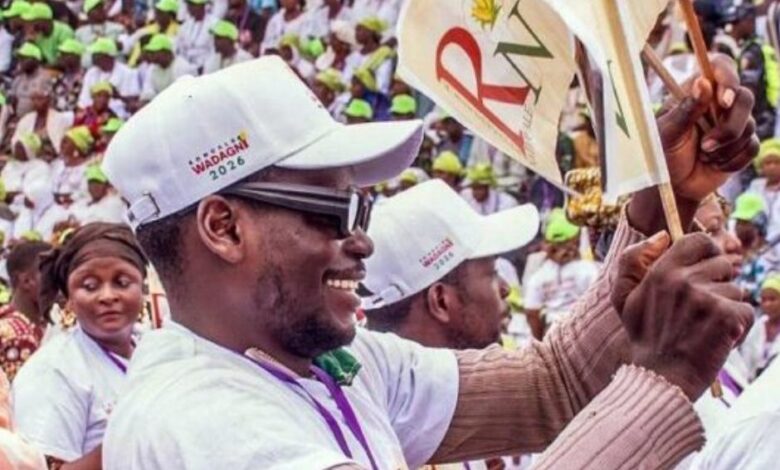
The second half of 2026 represents a pivotal phase in Africa’s evolving political landscape, as several key nations head toward high-stakes elections that will redefine governance models, economic reform trajectories, and regional power dynamics. These electoral processes extend far beyond routine democratic exercises—they are strategic inflection points that will influence Africa’s position within the global geopolitical order.
From Southern Africa’s resource-rich corridors to West Africa’s coastal democracies, the upcoming elections are marked by intensified political competition, emerging alliances, and increasing voter scrutiny. According to the Africa Center for Strategic Studies, these elections serve as critical benchmarks for countries seeking to recalibrate their democratic systems after periods of institutional stagnation and governance challenges.
Zambia Elections 2026: Economic Reform at the Core of Political Competition
Zambia’s general election, scheduled for August 13, 2026, stands out as one of the most closely watched political contests in Southern Africa. Incumbent President Hakainde Hichilema is campaigning for a second term, framing his bid as a continuation of economic recovery policies, including successful debt restructuring negotiations under the G20 framework and the enactment of the Access to Information Act.
However, the political environment is becoming increasingly competitive. A newly consolidated opposition coalition, the Tonse Alliance, led by Brian Mundubile, is mounting a strong challenge by focusing on rising living costs, economic inequality, and mounting pressure on the agricultural sector.
Early projections from platforms such as Wikipedia Election Tracker indicate that Hichilema holds an initial lead of approximately 60% in opinion polls. Despite this advantage, the growing cohesion within opposition ranks suggests that the final phase of the campaign could significantly reshape the electoral outcome.
The Gambia Presidential Election 2026: A Test of Democratic Consolidation
In West Africa, The Gambia is preparing for a crucial presidential election on December 5, 2026, widely viewed as a defining moment for the country’s democratic trajectory. President Adama Barrow is seeking a third term, a move that has sparked debate over executive power concentration and long-term institutional balance.
The political opposition, although fragmented, remains influential. Veteran opposition leader Ousainou Darboe of the United Democratic Party continues to mobilize support against the incumbent administration.
The electoral process is being overseen by the Electoral Commission of The Gambia, which is preparing for the possibility of a runoff election should no candidate achieve the required 50% majority. Such a scenario could heighten political tensions and introduce an additional layer of uncertainty to the country’s democratic consolidation efforts.
South Africa Local Elections 2026–2027: A Critical Test for Coalition Governance
South Africa’s municipal elections, scheduled between November 2, 2026, and February 1, 2027, represent the first major electoral test since the establishment of the Government of National Unity in 2024. These elections are expected to serve as a barometer for public confidence in coalition governance and institutional stability.
According to projections from Wikipedia Municipal Outlook, more than 500 political parties have registered to participate, reflecting an increasingly fragmented political environment.
The Electoral Commission of South Africa is prioritizing large-scale voter registration campaigns, particularly targeting younger demographics. Youth voter apathy remains a significant concern, posing potential risks to democratic participation rates and long-term political engagement.
South Sudan Elections 2026: Navigating a Fragile Transition Toward Sovereignty
South Sudan is approaching a historic milestone as it prepares for its first general elections in December 2026. Despite official assurances from the transitional government that the elections will proceed as scheduled, multiple challenges continue to threaten the timeline.
Reports from Radio Tamazuj and domestic observers, including the Community Empowerment for Progress Organization (CEPO), highlight concerns related to insufficient funding, logistical constraints, and unresolved political disagreements over voter registration processes.
A key deadline on June 22, 2026, for finalizing voter lists is expected to serve as a critical indicator of whether the country can meet its commitments under the 2018 peace agreement. Any delays could undermine both domestic stability and international confidence in the transition process.
Beyond Elections: Africa’s Strategic Realignment in 2026
The 2026 election cycle in Africa is not merely a sequence of national votes—it represents a broader strategic realignment of political authority, governance frameworks, and economic priorities across the continent.
Each electoral process—from Zambia’s economic reform agenda to The Gambia’s institutional test and South Sudan’s sovereignty milestone—serves as a mechanism through which African nations are redefining internal stability and strengthening their external geopolitical positioning.
The outcomes of these elections will play a decisive role in shaping Africa’s political dominance, economic direction, and strategic influence over the coming decade, reinforcing the continent’s growing significance on the global stage.
read more
Amhara’s Political Space Narrows Sharply Ahead of Ethiopia’s Elections