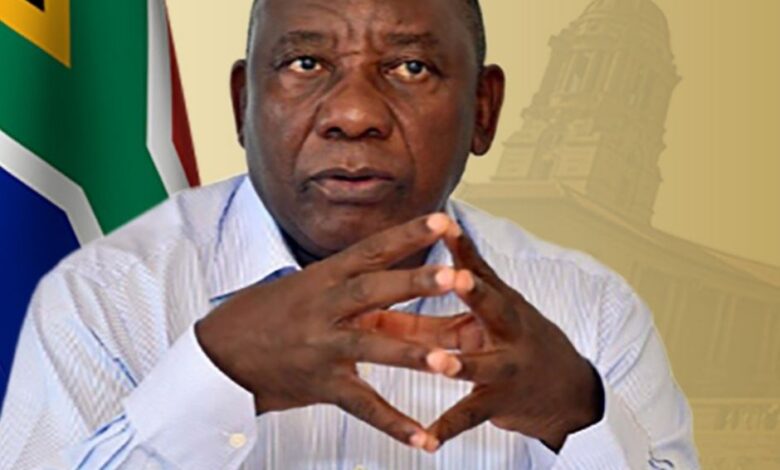
South African President Cyril Ramaphosa said the country recorded a historic surge in international tourism in 2025, with approximately 10.5 million foreign visitors arriving between January and December, marking the highest number of international tourist arrivals on record.
In a statement, Ramaphosa said the figure surpasses pre-COVID-19 levels and reflects renewed global confidence in South Africa as a leading tourism destination, describing the milestone as a strong endorsement of a sector with significant growth potential.
The president said tourism plays a critical role in South Africa’s economy, with every international visitor contributing to foreign revenue earnings, supporting local businesses, strengthening local economies and sustaining employment. He noted that the tourism sector currently supports an estimated 1.8 million direct and indirect jobs, with one job created for every 13 international arrivals. According to the World Travel and Tourism Council, tourism contributes nearly 9% of South Africa’s gross domestic product (GDP).
Ramaphosa said South Africa’s expanding global tourism footprint, driven by sustained destination marketing and branding efforts, is an important element of the country’s public diplomacy. He added that higher tourist inflows from specific countries increase the likelihood of strengthening diplomatic relations with those nations.
The increase in arrivals also reflects confidence in South Africa’s brand appeal and its reputation as a safe, reliable and value-for-money tourism destination, he said.
The president reiterated the government’s commitment to strengthening the regulatory and policy environment to support further growth of the tourism sector, while deepening cooperation with the private sector, labour and other stakeholders.
He pointed to the Tourism Growth Partnership Plan, endorsed by Cabinet last year, which sets out priority initiatives aimed at improving sector performance. Among these initiatives is the expansion of the Electronic Travel Authorisation (ETA) system, which was piloted during last year’s G20 Summit and is now being rolled out in key international tourism markets.
Ramaphosa said the government would also strengthen the Trusted Tour Operator Scheme, launched last year to streamline visa processes for tourist groups whose applications are submitted by vetted tour operators. He noted that tourists from major source markets such as India and China increasingly rely on group tour operators for structured and tailored travel experiences.
Improving air connectivity remains a priority, with South Africa recording an increase in direct international flight routes from key markets, including Australia and France, the president said.
On safety, Ramaphosa said tourists must be able to travel under secure conditions. He said the deployment of additional tourism monitors, alongside the establishment of a private-sector crime call centre, is expected to help reduce crime targeting tourists.
The president also highlighted tourism infrastructure investment as a key growth driver. At the inaugural Tourism Infrastructure Investment Summit held last year, eight projects valued at R1 billion were launched, signalling renewed investor confidence in the sector. He said destination marketing efforts would continue, alongside a focus on niche markets such as halal tourism and green tourism.
Ramaphosa said the government is investing in skills development to enable citizens to benefit from the expanding tourism industry. He cited the Department of Tourism’s fully funded Mandarin language training programme for registered freelance and employed tourism guides, aimed at better serving tourists from China. He added that government support for industry transformation remains ongoing.
He concluded by saying that maintaining South Africa’s status as a preferred tourism destination requires a collective effort, with communities playing a central role. Ramaphosa said South Africa’s natural beauty, history and culture offer significant untapped tourism potential, and that closer cooperation between government, industry, communities and civil society could unlock greater value from the sector.
Day after end of siege: Dozens killed in RSF drone attack in Sudan’s South Kordofan