Adapt or die.. US pledges $2B for UN humanitarian aid as Trump restrictes funding

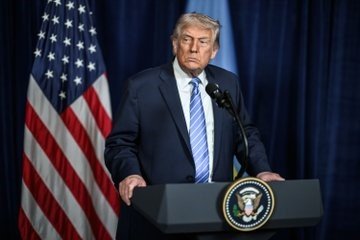
The United States on Monday announced a $2 billion pledge for U.N. humanitarian aid as President Donald Trump’s administration continues to slash U.S. foreign assistance and warns United Nations agencies to “adapt, shrink or die” in a time of new financial realities.
The money is a small fraction of what the U.S. has contributed in the past but reflects what the administration believes is a generous amount that will maintain the United States’ status as the world’s largest humanitarian donor.
The pledge creates an umbrella fund from which money will be doled out to individual agencies and priorities, a key part of U.S. demands for drastic changes across the world body that have alarmed many humanitarian workers and led to severe reductions in programs and services.
The $2 billion is only a sliver of traditional U.S. humanitarian funding for U.N.-backed programs, which has run as high as $17 billion annually in recent years, according to U.N. data. U.S. officials say only $8-$10 billion of that has been in voluntary contributions. The United States also pays billions in annual dues related to its U.N. membership.
Critics say the Western aid cutbacks have been shortsighted, driven millions toward hunger, displacement or disease, and harmed U.S. soft power around the world.
The move caps a crisis year for many U.N. organizations like its refugee, migration and food aid agencies. The Trump administration has already cut billions in U.S. foreign aid, prompting them to slash spending, aid projects and thousands of jobs. Other traditional Western donors have reduced outlays, too.
The announced U.S. pledge for aid programs of the United Nations — the world’s top provider of humanitarian assistance and biggest recipient of U.S. humanitarian aid money — takes shape in a preliminary deal with the U.N. Office for the Coordination of Humanitarian Affairs, or OCHA, run by Tom Fletcher, a former British diplomat and government official.
The cuts will have major implications for U.N. affiliates like the International Organization for Migration, the World Food Program and refugee agency UNHCR. They have already received billions less from the U.S. this year than under annual allocations from the previous Biden administration — or even during Trump’s first term.
Now, the idea is that Fletcher’s office — which last year set in motion a “humanitarian reset” to improve efficiency, accountability and effectiveness of money spent — will become a funnel for U.S. and other aid money that can be then redirected to those agencies, rather than scattered U.S. contributions to a variety of individual appeals for aid.
The United States wants to see “more consolidated leadership authority” in U.N. aid delivery systems, said a senior State Department official, speaking on condition of anonymity to provide details before the announcement at the U.S. diplomatic mission in Geneva.
U.S. officials say the $2 billion is just a first outlay to help fund OCHA’s annual appeal for money, announced earlier this month. Fletcher, noting the upended aid landscape, already slashed the request this year. Other traditional U.N. donors like Britain, France, Germany and Japan have reduced aid allocations and sought reforms this year.