Unfading Scar: Global Mandate Defies Western Resistance as UN Recognizes Slavery as Humanity’s Gravest Atrocity

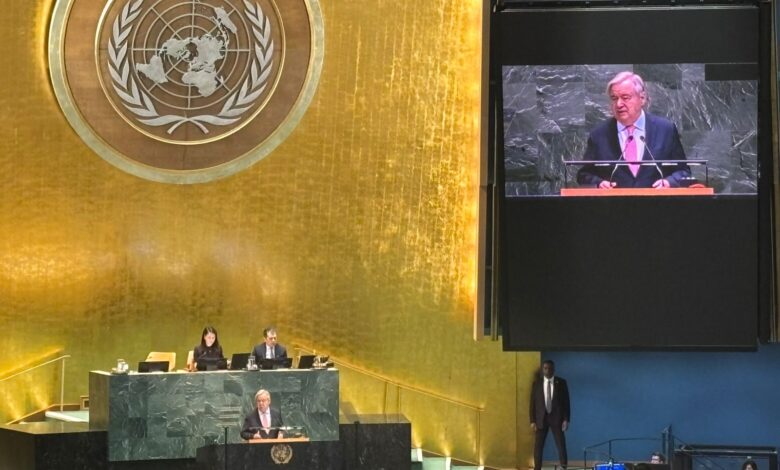
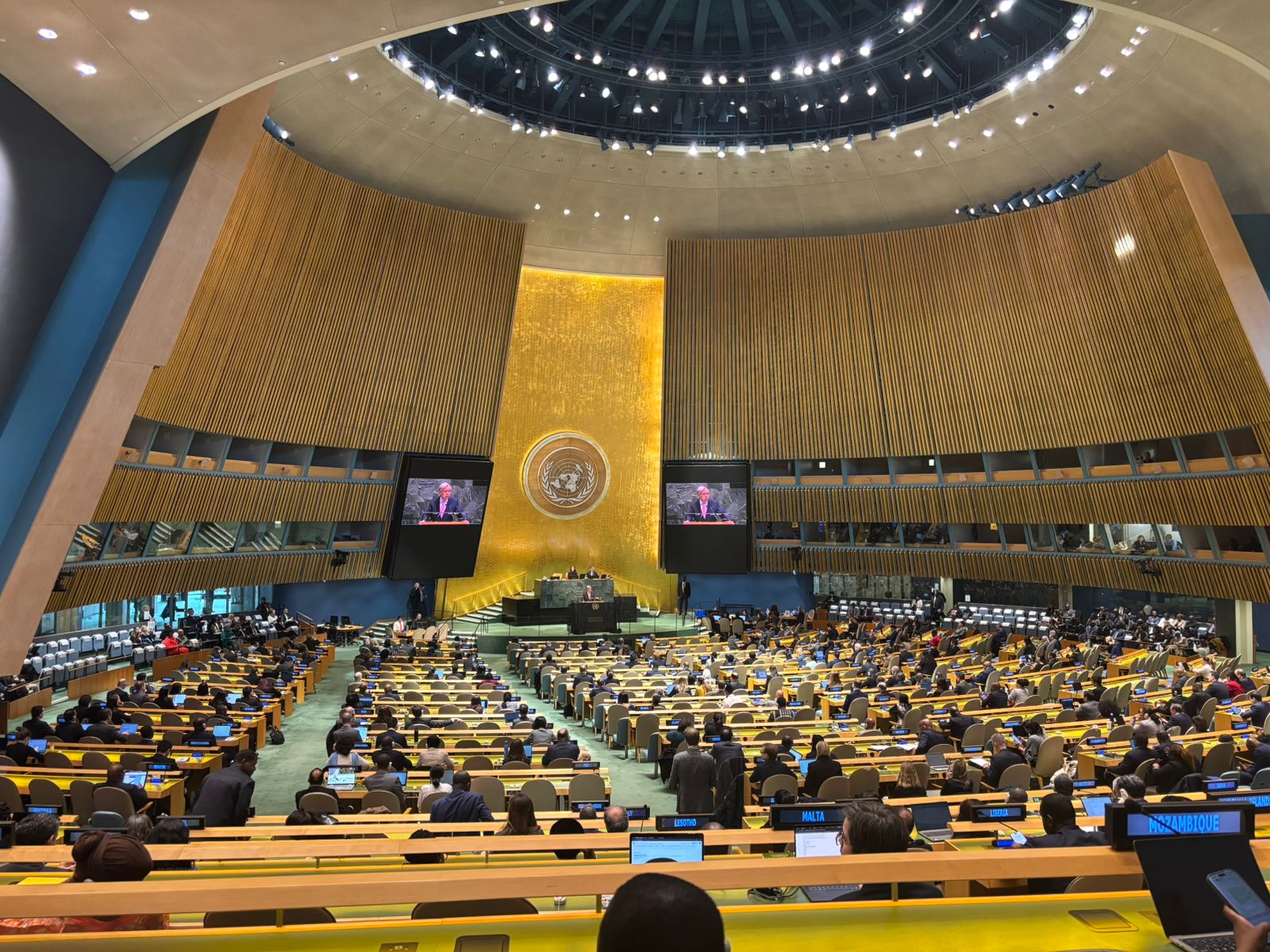
In a historic defiance of Western opposition, the United Nations General Assembly has officially adopted a Ghana-led resolution recognizing transatlantic slavery as the gravest crime against humanity.
This landmark diplomatic victory marks a tectonic shift in the global pursuit of restorative justice, formally demanding accountability for a 500-year atrocity that saw over 12.5 million Africans trafficked into bondage. The resolution passed with a significant majority of 123 countries in favor, though the vote highlighted a sharp geopolitical divide as the United States and Israel voted against the measure, while the European Union and Britain were among 52 nations that abstained.
The adoption of this text represents the furthest the United Nations has ever gone in recognizing the transatlantic trade not merely as a historical wrong, but as a systemic crime requiring a reparative framework. Ghana’s Foreign Minister, Samuel Ablakwa, emphasized that the resolution is a necessary response to the enduring consequences of slavery, which continue to manifest today through deep-seated racial disparities and economic stagnation across the African continent. Legal experts and historians underscored the unprecedented scale of the trade, noting that the destruction and stagnation resulting from five centuries of exploitation cannot be ignored by modern institutions.
Despite the political weight of the resolution, several Western leaders voiced concerns regarding the legal implications of reparations and the retroactive application of international law. U.S. representative Dan Negrea objected to what he termed a cynical usage of historical wrongs to reallocate modern resources, while EU representatives raised factual concerns about creating a hierarchy among crimes against humanity. However, UN Secretary General Antonio Guterres called for far bolder action from member states to confront historical injustices, noting that the path to true reconciliation requires more than symbolic gestures.
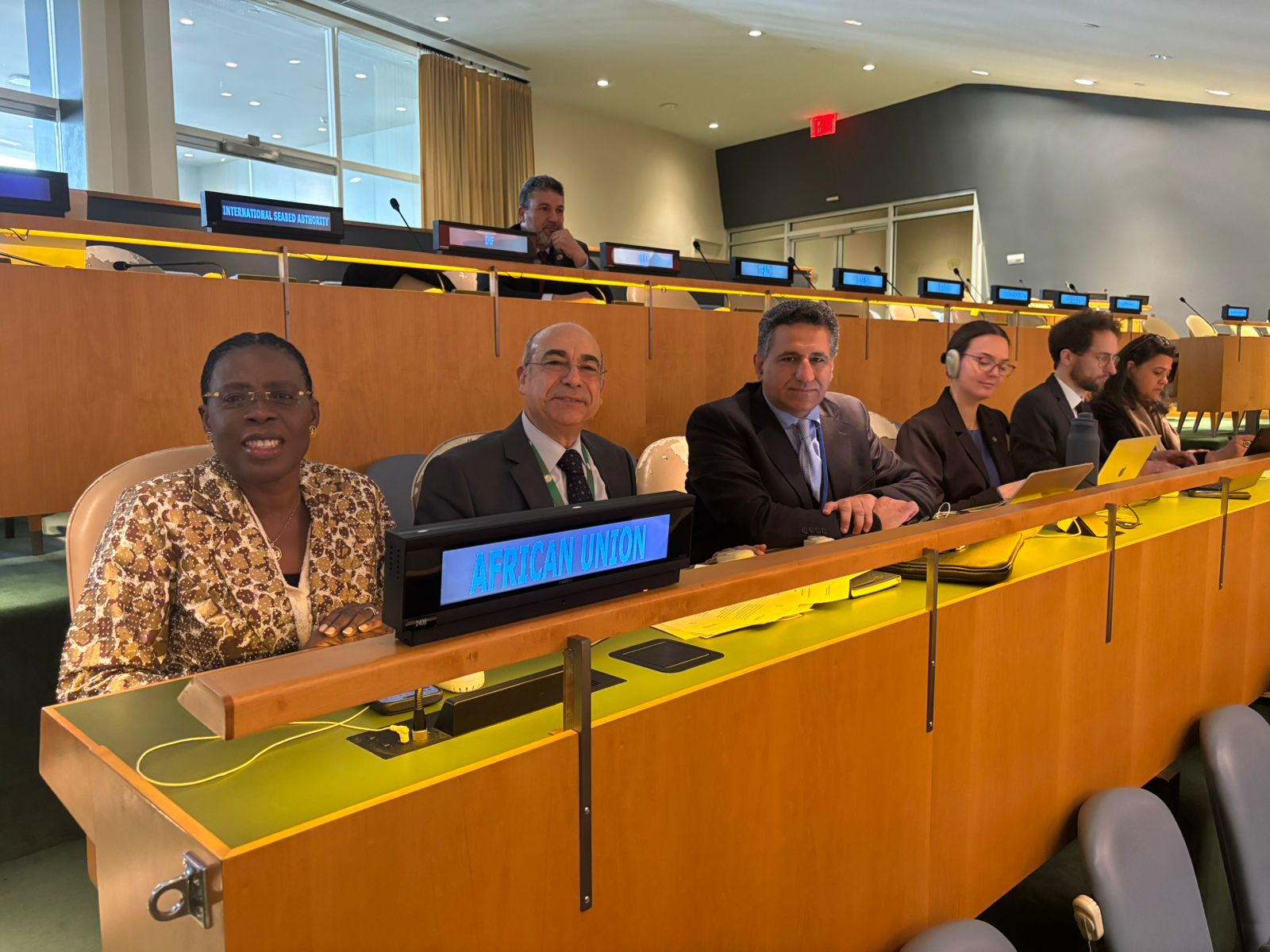
The resolution urges member states to engage in meaningful dialogue on reparations, including the issuance of formal apologies, the return of stolen cultural artifacts, and the provision of financial compensation to address the systemic wealth gaps rooted in colonial exploitation. With the African Union now working toward a unified vision among its 55 member states, this vote is seen as a precursor to the potential establishment of a special UN reparations tribunal. As the diplomatic landscape shifts, the message from the Global South remains clear: history does not disappear when ignored, and the pursuit of justice for the victims of the Middle Passage does not expire with the passage of time.
Read more
Africa Pushes for Slavery Reparations from Britain: AU Launches Chagos-Inspired Legal Campaign