“Indomitable Legacy”: Kenneth Kaunda and the Soul of African Independence

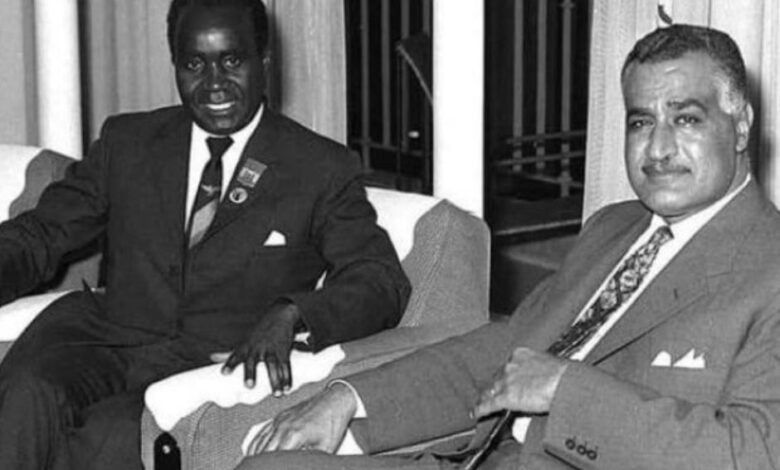
The passing of Zambia’s first President, Kenneth Kaunda, on June 17, 2021, at the age of 97, marked the definitive conclusion of a transformative era for the African continent. Known affectionately as KK, Kaunda was the last of a titan generation of leaders who dismantled colonial rule to establish a unique political and economic legacy. His life was not merely a chronological sequence of events but a profound philosophical journey that sought to define the very essence of African identity and sovereignty through a lasting legacy of dignity and self-reliance.
• The Foundations of a National Legacy
Born on April 23, 1924, at Lubwa Mission, Kenneth Kaunda was raised in an environment that prioritized education and service, laying the groundwork for his future legacy. Trained as a teacher, he quickly pivoted toward the burgeoning nationalist movement, joining the African Nationalist Congress (ANC) to challenge the structures of colonial oppression. His early role as Secretary-General allowed him to forge a direct connection with the grassroots, ensuring that his political legacy would be rooted in the aspirations of ordinary Zambians. This dedication eventually led to a strategic split from the ANC and the formation of the United National Independence Party (UNIP), which became the vehicle for his enduring legacy as the father of the nation.
• The Presidential Legacy and Regional Solidarity
Upon securing Zambia’s independence in 1964, President Kaunda utilized his global platform at the United Nations to advocate for a legacy of anti-colonialism and international cooperation. Facing the immense challenge of leading a landlocked nation surrounded by minority-ruled regimes, he refused to compromise on his principles, choosing instead to build a legacy of resistance against apartheid and imperialism. His foreign policy was characterized by a selfless commitment to liberation movements across Southern Africa, cementing a legacy as a mediator and a sanctuary for those fighting for their own freedom from the 1960s through the 1990s.
• The Strategic Legacy of Egypt-Zambia Relations
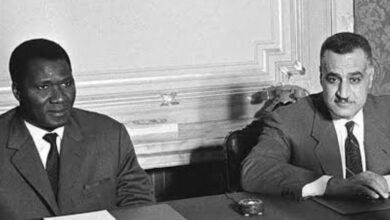
One of the most profound chapters of Kaunda’s international legacy was his deep and strategic partnership with Egypt and President Gamal Abdel Nasser. Egypt was the first Arab nation to recognize Zambia’s independence, establishing a diplomatic legacy that survives to this day through military and technical cooperation. The mutual respect between Kaunda and Nasser was so significant that the Zambian leader immortalized this legacy by naming three major streets in the heart of Lusaka after Cairo, Suez, and Nasser. This bond represented a golden era of Pan-African solidarity, proving that Kaunda’s legacy was never confined to his borders but extended across the entire continent.
• A Philosophical Legacy of Humanism
Perhaps the most enduring aspect of Kenneth Kaunda’s life is the philosophical legacy he titled “Zambian Humanism.” This ideology placed the human person at the absolute center of all political and social development, rejecting exploitation and promoting a legacy of equal opportunity for all. Even after peacefully retiring from power in 1991—becoming the first African president to do so after an election loss—he continued to cultivate this legacy through his foundation for peace and democracy. His commitment to the extended family system and the dignity of every individual remains a cornerstone of the moral legacy he left for future generations of African leaders.
• The Immortal Legacy of the Pan-African Icon
In the final analysis, the legacy of Kenneth Kaunda is defined by his unwavering loyalty to his people and his continent. From his early days as a radical nationalist to his sunset years as a global statesman, he maintained a legacy of hard work, self-reliance, and patriotic dedication. As Zambia and the wider world reflect on his nearly century-long journey, it is clear that his true legacy lies in the spirit of independence he ignited and the compassionate humanism he practiced. Kenneth Kaunda remains a radiant beacon, ensuring that the legacy of a free and dignified Africa continues to inspire the world.
Read more
Gamal Abdel Nasser: Liberation Icon and Architect of African Sovereignty