The Democratic Republic of Congo is currently engaged in sensitive negotiations with the Trump administration regarding the acceptance of deportees from third countries , According to government sources in Kinshasa and diplomatic briefings, this potential agreement marks the latest expansion of Washington’s growing reliance on African nations to facilitate the rapid removal of migrants who lack authorization to remain in the United States.
While these discussions remain fluid, they underscore a significant shift in transatlantic migration management and the utilization of “third-country” arrangements as a cornerstone of modern border policy.
These negotiations are unfolding against a complex geopolitical backdrop, coinciding with high-level U.S. efforts to mediate a peace deal between Congo and Rwanda. Simultaneously, Washington is seeking to solidify long-term access to Congo’s vast reserves of critical minerals, which are essential for the global energy transition.
The intersection of migration, regional security, and resource diplomacy suggests that any final agreement may be part of a much broader strategic bargain, though official details on the exact terms or potential compensation for Kinshasa remain undisclosed.
The push for such deals has already seen the United States transfer third-country deportees to nations including Ghana, Cameroon, Equatorial Guinea, and Eswatini.
However, the practice has drawn sharp criticism from legal experts and human rights organizations. Critics raise serious concerns regarding the legal basis for sending individuals to countries where they hold no nationality, as well as the potential for violating court-ordered protections intended to shield vulnerable migrants from harm.
While the specific nationalities of the migrants destined for Congo have not been confirmed, sources familiar with the discussions indicate the plan could involve individuals from South America, including Venezuelan nationals.
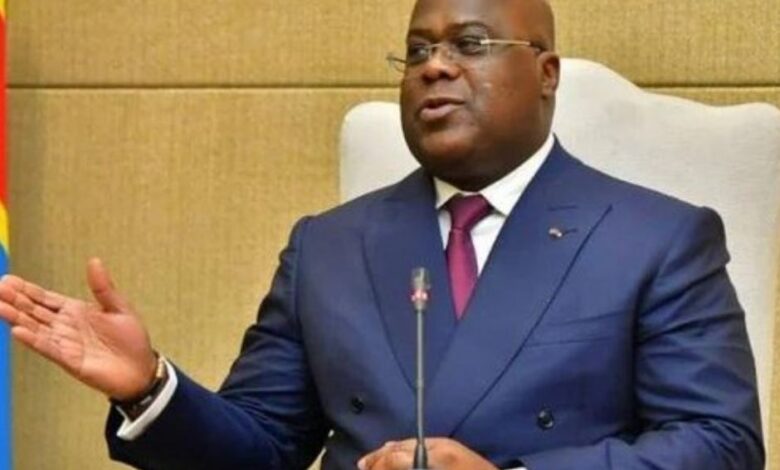
Currently, the State Department maintains a policy of no comment on private diplomatic communications, and the Congolese presidency has yet to issue an official statement. As the details of this logistical and humanitarian puzzle remain unresolved, the outcome of these talks will serve as a bellwether for how the U.S. intends to balance its domestic immigration priorities with its strategic interests in Central Africa.
read more
15 killed in Bloodshed, Extremist Insurgency spirals in Eastern Congo