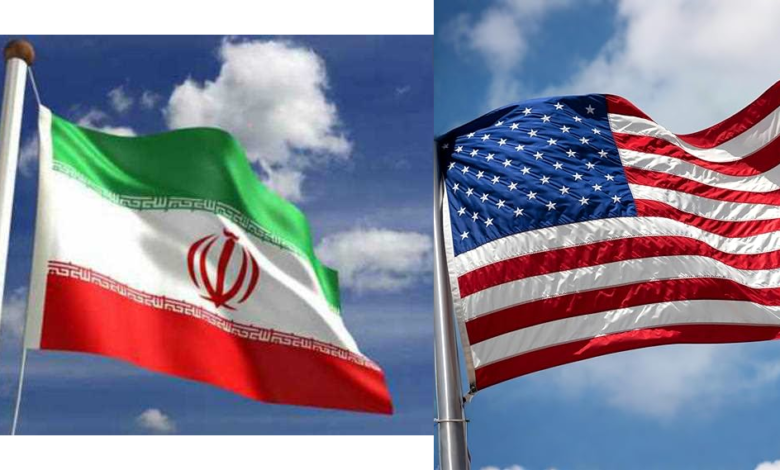
Iran and the United States have reportedly received a comprehensive diplomatic proposal, dubbed the “Islamabad Accord,” aimed at an immediate cessation of hostilities and the reopening of the strategic Strait of Hormuz. According to sources familiar with the negotiations, the framework—mediated primarily by Pakistan with backing from China—envisages a two-tier transition from active warfare to a permanent settlement.
The proposed deal is structured in two distinct phases. The first phase calls for an immediate, unconditional ceasefire to take effect as early as Monday, specifically designed to de-escalate maritime tensions and secure the vital oil arteries of the Persian Gulf.
If successful, this would lead to a second phase: a 15-to-20-day window for final in-person negotiations in Islamabad to draft a permanent peace treaty. This final accord is expected to include stringent Iranian commitments against nuclear weaponization in exchange for significant sanctions relief and the unfreezing of overseas assets.
The diplomatic push has seen unprecedented overnight activity. Pakistan’s Army Chief, Field Marshal Asim Munir, has maintained continuous communication with U.S. Vice President JD Vance and Iranian Foreign Minister Abbas Araqchi. This “electronic diplomacy” aims to finalize a Memorandum of Understanding (MoU) through Islamabad, which currently serves as the sole reliable communication channel between the warring parties. The involvement of U.S. Special Envoy Steve Witkoff further underscores the Trump administration’s urgency in resolving the conflict.
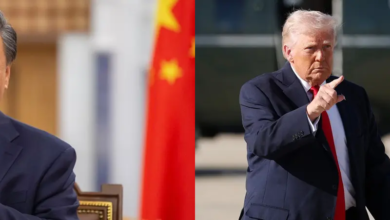
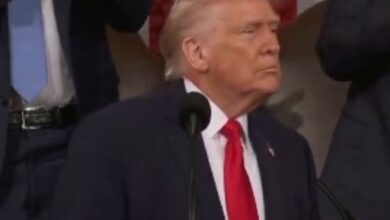
The pressure for a breakthrough is mounting as energy markets react to the potential reopening of the Strait of Hormuz. President Donald Trump has publicly intensified demands for a rapid resolution, warning of severe consequences should the window for a ceasefire close without an agreement. While Washington and regional mediators like Egypt and Turkey remain optimistic, Tehran has yet to formally commit, seeking ironclad guarantees against future strikes by U.S. or Israeli forces.
Despite the intensified civilian and military outreach, the “Islamabad Accord” faces significant hurdles. Sources indicate that while a 45-day temporary truce has been discussed, Iran remains cautious, weighing the proposed sanctions relief against its long-term security requirements. The absence of an immediate response from Tehran suggests that the internal leadership is still calibrating its stance amidst escalating domestic and external pressures.
read more
Trump Shakes NATO: Iran War Sparks Existential Fray in Transatlantic Alliance