Habib Bourguiba: Architect of Modern Tunisia and the Legacy of the Supreme Combatant

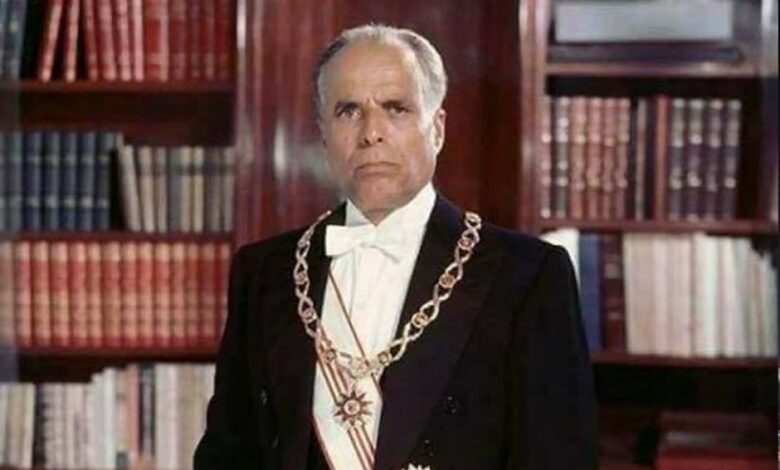
The history of North Africa in the twentieth century is inextricably linked to the towering and often contradictory figure of Habib Bourguiba, the charismatic visionary who served as the primary architect of Tunisia’s independence and its first president. April 6, marks the twenty-sixth anniversary of his passing in 2000, and his legacy remains a formidable testament to the power of pragmatic leadership and the complexities of long-term governance.
Born in the coastal village of Monastir in 1903, Bourguiba was a man of dual worlds, deeply rooted in his Tunisian identity while being profoundly influenced by the secular and reformist traditions of French thought. His education at the Sorbonne in Paris was the catalyst for a political philosophy that eschewed the hollow rhetoric of his contemporaries in favor of a disciplined, step-by-step approach to liberation known as gradualism.
Upon his return to Tunisia in 1927, Bourguiba recognized that the existing nationalist movements were too stagnant and elitist to challenge French colonial rule effectively.
He broke away to found the Neo-Destour Party, a move that allowed him to mobilize the masses across both urban centers and rural outposts. His eloquence and fiery oratory earned him the title of al-mujāhid al-akbar, or the Supreme Combatant. Even during long periods of imprisonment and exile, his influence remained pervasive, and he navigated the geopolitical shifts of World War II with a shrewd neutrality that eventually forced France to the negotiating table.
When independence was finally secured in 1956, Bourguiba did not merely seek to rule; he sought to reconstruct the very fabric of Tunisian society.
The most radical of his reforms was the 1956 Code of Personal Status, an unprecedented legal document in the Arab world that abolished polygamy, granted women the right to initiate divorce, and established a minimum age for marriage. Bourguiba believed that a nation’s strength was intrinsic to the education and liberation of its women, and he poured national resources into a modern, egalitarian school system.
His foreign policy was equally distinctive, as he maintained a cordial yet independent relationship with the West and advocated for a moderate stance on regional conflicts, often to the chagrin of more ideological Arab leaders.
However, the latter portion of his thirty-year presidency saw a transition toward a more authoritarian style of governance, By declaring himself president-for-life in 1975, he effectively stifled political pluralism and became increasingly detached from the economic struggles of his people.
This centralization of power eventually led to a constitutional coup in 1987, which removed him from office as his health declined. Despite the shadows cast by his later years, Bourguiba’s death at the age of ninety-six was met with deep national mourning.
He remains the quintessential symbol of Tunisian sovereignty, a leader who proved that the most lasting revolution is the one fought within the mind through the weapons of reason and modern statecraft.
read more
Kwame Nkrumah … From the Struggle for Ghana’s Independence to the Dream of African Unity