Total War or 24-Hour Ceasefire: Trump Sets Midnight Ultimatum as Iran Rejects Peace Deal

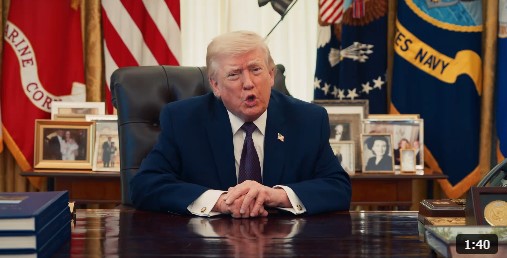
The Middle East stands on the precipice of an unprecedented regional catastrophe as Tehran officially rejected a U.S.-backed ceasefire proposal on the eve of a definitive deadline set by President Donald Trump. With the midnight EDT (0400 GMT Wednesday) cutoff looming, the U.S. President has vowed to “decimate every bridge” and “explode every power plant” across Iran if the Islamic Republic does not comply with his demands to reopen the Strait of Hormuz and abandon its strategic blockade.
As the countdown to Wednesday morning continues, the human cost of the conflict is mounting rapidly. Rights groups estimate that over 3,500 people have been killed in Iran since the war began on February 28, with nearly 1,500 casualties reported in Lebanon. With President Trump brushing off concerns that strikes on power plants would constitute war crimes, the international community remains in a state of high alert, bracing for a night that could witness the systemic destruction of Iran’s national infrastructure and the further destabilization of the global energy order.
The rejected proposal, brokered by Pakistan, sought an immediate cessation of hostilities and the lifting of the Iranian blockade on the Strait of Hormuz, followed by comprehensive peace talks within 20 days. In a defiant response, the IRNA news agency reported that Tehran issued a 10-clause counter-demand, insisting on a total lifting of international sanctions, a protocol for safe passage that acknowledges Iranian sovereignty, and a massive regional reconstruction fund. This rejection marks a critical breakdown in diplomacy, leaving military escalation as the primary remaining trajectory.
Early Tuesday morning, the Israeli military confirmed it had executed a fresh wave of airstrikes targeting government infrastructure in Tehran. Simultaneously, Saudi Arabia reported the interception of several ballistic missiles over its eastern region, with debris falling dangerously close to critical energy facilities. In a bid to deter the promised U.S. strikes on civilian infrastructure, Iranian authorities have called upon artists and athletes to form “human chains” around power plants across the country, while Iran’s top military command dismissed President Trump’s threats as “delusional.”
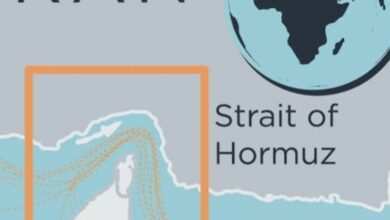
The effective closure of the Strait of Hormuz—the conduit for 20% of the world’s oil and gas—continues to paralyze global markets. Oil prices hovered at $110 per barrel on Tuesday as the “Hormuz Chokehold” intensified inflationary fears worldwide. Brent crude futures rose to $110.19, while U.S. West Texas Intermediate (WTI) climbed to $113.31. For President Trump, the conflict has proved more taxing than predicted; despite the successful rescue of a downed U.S. airman last Friday, the loss of 13 service members and the potential for a total energy collapse have placed his administration on perilous political ground.
Read more
“Islamabad Accord”: A Multi-Phase Blueprint to End the US-Iran Conflict