Will the Islamabad Summit Silence the Drums of War, or is the Middle East Headed for a Permanent Fracture?

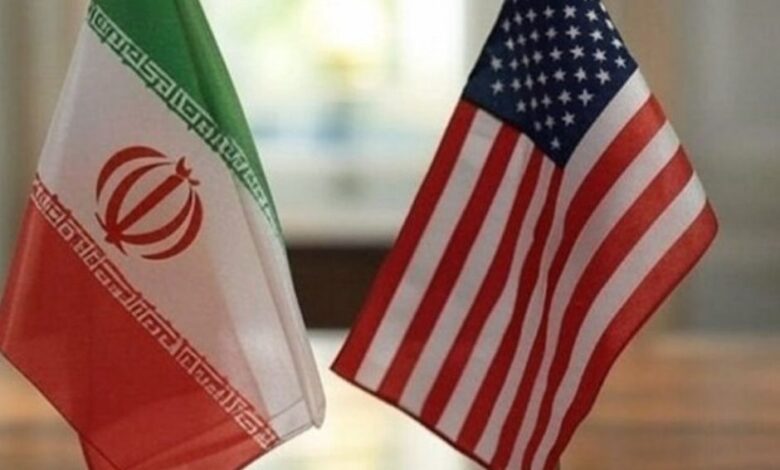
Islamabad has transformed into a high-security fortress as it hosts the most significant diplomatic encounter between the United States and Iran since the 1979 Revolution. On Saturday, April 11, a high-level U.S.
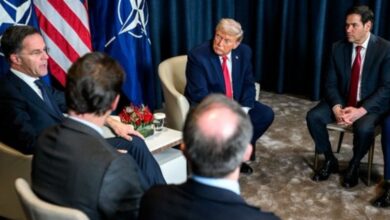
delegation led by Vice President JD Vance—alongside key figures Steve Witkoff and Jared Kushner—arrived in the Pakistani capital to engage in face-to-face negotiations aimed at ending a brutal six-week war.
However, the talks were immediately clouded by Tehran’s insistence on a “pre-condition protocol,” demanding a ceasefire in Lebanon and comprehensive sanctions relief before formal discussions could even commence.
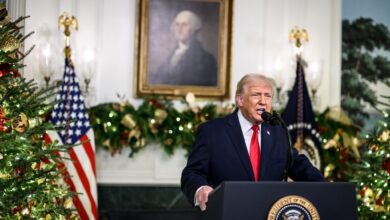
The strategic backdrop of this summit is defined by deep-seated distrust and contradictory objectives, While President Donald Trump has utilized social media to project a position of absolute strength—claiming the Iranian leadership has “no cards” left to play—Tehran is leveraging its remaining strategic assets with calculated precision.
The Iranian delegation, headed by Speaker Mohammad Baqer Qalibaf, is pushing for an acknowledgment of its authority over the Strait of Hormuz, aiming to institutionalize transit fees and control over this vital global energy artery. This “Hormuz Factor” remains Iran’s most potent weapon, having already caused unprecedented disruptions to global energy supplies and fueled international inflation.
A critical friction point remains the “Lebanon Entanglement.” While Washington and Tel Aviv maintain that the campaign against Hezbollah is a separate theater of war, Tehran insists that any regional peace is inseparable from a ceasefire in Beirut.
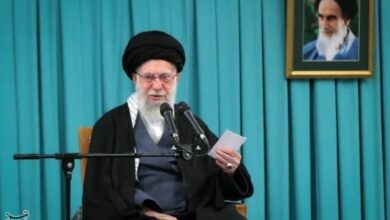
This discrepancy was underscored by continued Israeli airstrikes in Lebanon even as the two-week ceasefire halted strikes on Iranian soil. The human toll in Lebanon, with nearly 2,000 casualties reported since March, has become a rallying point for Iran’s new Supreme Leader, Ayatollah Mojtaba Khamenei, who has issued defiant demands for wartime reparations and vowed that “criminal aggressors” will not go unpunished.
As Pakistani intermediaries, led by Field Marshal Asim Munir and Foreign Minister Ishaq Dar, attempt to navigate these intractable issues, the atmosphere remains one of “cautious pessimism.” The U.S. team carries instructions to either “close a deal or walk away,” signaling that these talks are not bound by a conventional clock but by the shifting realities of a reshuffled Middle East. Despite the degradation of its conventional military capabilities, Iran’s resilience—exemplified by its intact nuclear stockpile and missile capacity—suggests that the “capital V” victory envisioned by the White House remains a distant and complex aspiration.
Read more
Total War or 24-Hour Ceasefire: Trump Sets Midnight Ultimatum as Iran Rejects Peace Deal