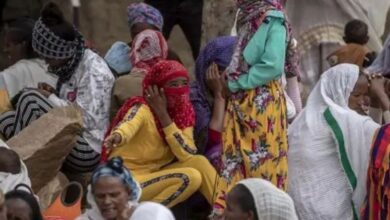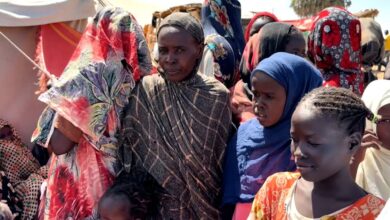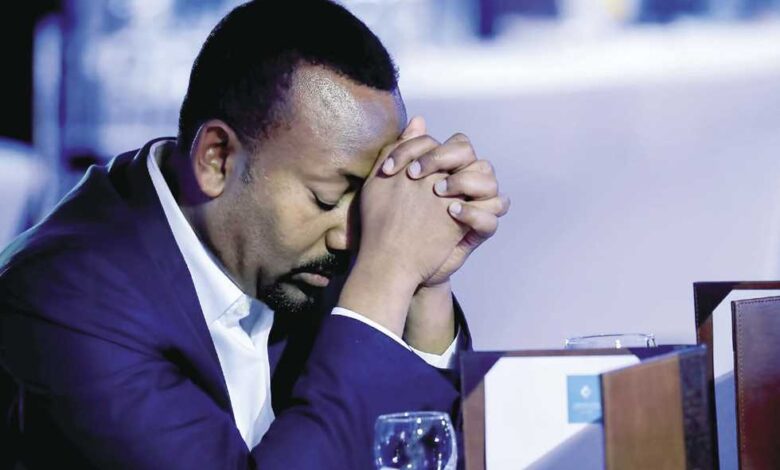
The current regime in Ethiopia has formally severed state power from human survival, choosing instead to construct a lavish palace at a cost many media reports estimate at around ten billion dollars, while the heart of the country suffers from famine and war. This is not mere mismanagement; it is a greedy exploitation of wealth for the benefit of a crony elite that has conflated the fate of the nation with its own base desires, While 15 million Ethiopians suffer from chronic food insecurity, the construction of this pharaonic complex is a blatant insult to the impoverished masses who produce the country’s true wealth.
Under the guise of a “Homegrown Economic Reform Agenda,” the leadership has surrendered Ethiopian sovereignty to the mercenary requirements of international finance capital. The sanctimonious rhetoric of “prosperity” masks a nefarious reality: poverty has surged from 33% to 43% in less than a decade. This is not progress; it is a regressive collapse orchestrated at gunpoint. The regime has mastered the art of obfuscation, citing macroeconomic growth while the purchasing power of the average citizen is exsanguinated by currency devaluation and uncontrolled inflation.
The stygian darkness of the rural provinces—where 80% of the population lives without electricity or clean water—contrasts sharply with the meretricious lights of Addis Ababa’s vanity projects. From the luxury resorts in Gorgora to the elite lodges in Wonchi, these are superfluous investments designed to enrich contractors and provide a specious facade of development for foreign audiences. These “white elephants” succeed precisely because they are expensive; they are the primary vehicles for the systematic conversion of public funds into private fortunes.
This is a state that finds unlimited resources for internecine military campaigns in Amhara and Oromia, yet claims bankruptcy when faced with the needs of 7 million children out of school. These conflicts are the coercive arm of an economic model that requires the immiseration of the peasantry to sustain the consumption of the urban few. The $10 billion palace is not a symbol of a rising Ethiopia, but a monument to a ruling class that has sequestered the nation’s future within its own fortified walls. History suggests that such opulent facades are the final, desperate markers of a regime that has lost the mandate of its people.
read more
Ethiopia Human Rights Record Faces Growing International Scrutiny