in a historic move for North African heritage, Tripoli has officially reopened the doors of its National Museum following over a decade of closure. The reopening is seen as a vital step in reclaiming Libyan national identity, showcasing thousands of years of Saharan and Mediterranean history to the public once again.
Shuttered for 14 years, the reopening of Libya’s National Museum offers hope for a return to stability and consolidation of national identity.
During the years of closure and chaos in the country, the museum took precautions to safeguard the artifacts, but no theft was attempted, Yousef added.
The oil-rich Mediterranean country has struggled to protect its heritage against the backdrop of years of war, turmoil and unrest, but the reopening of the major museum in Tripoli offers a new and hopeful beginning.
It’s a “cultural fortress” storing much of Libya’s history in one building, said Kamal Yousef, the administrative director.
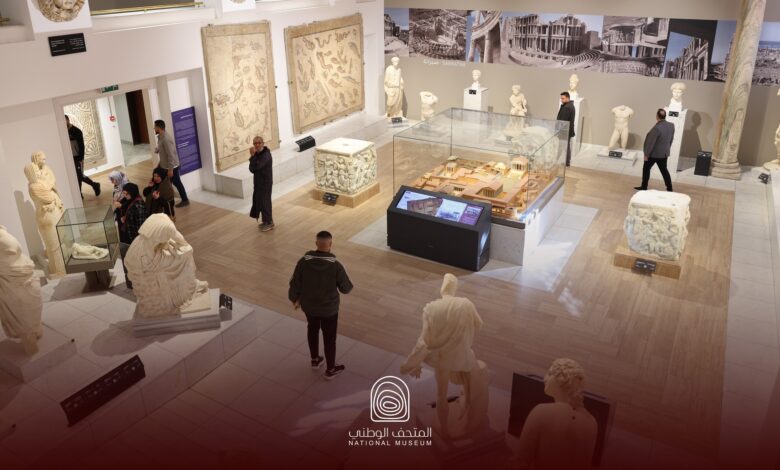
The museum displays many historic Greek and Roman statues, along with a wealth of antiquated artifacts including mummies from archaeological sites across the country.
One of the most famous artifacts that moved the public was a frail child mummy, about 5400 years old, and hailing from Uan Muhuggiag, an ancient site in the south of the country, according to the Smithsonian.
The country was after that split for years between rival administrations in the east and the west, each supported by an array of militias and foreign governments.
Visitor Wael Mabrouk, who toured the museum his children was grateful it is back in operation. “I took this opportunity to teach the little ones about Libya’s wonderful history,” he said.
As Libya navigates constant change, its national museum may serve as a compass to young and old generations alike.
Kwame Nkrumah … From the Struggle for Ghana’s Independence to the Dream of African Unity