The latest data released by global cost-of-living indices show mounting economic pressures across several African cities, as rising prices of essential goods and services continue to erode household purchasing power and place heavier financial burdens on residents.
The cost-of-living index is a key economic indicator that reflects the relationship between local prices of basic goods and services and income levels. It provides valuable insight into the economic and social conditions prevailing in major cities, particularly amid persistent inflation and rising food and energy costs.
Addis Ababa: Africa’s Most Expensive City in 2025
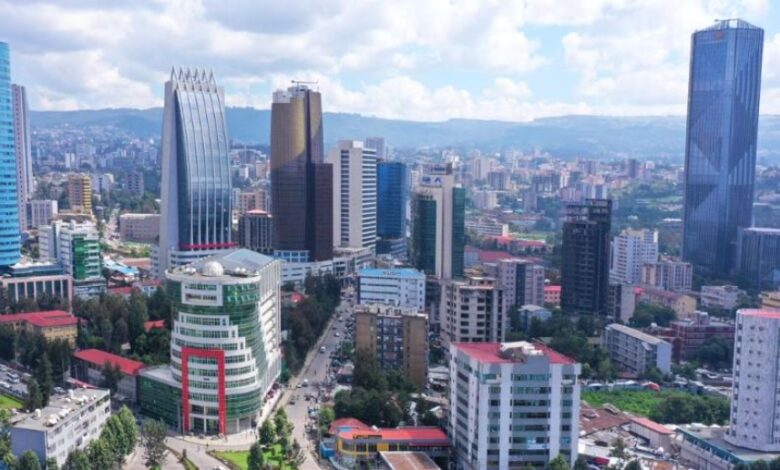
Addis Ababa, the capital of Ethiopia, topped the ranking of Africa’s most expensive cities to live in for 2025, recording a cost-of-living index of 43.0 points, the highest on the continent. The ranking underscores the sharp rise in living costs in the Ethiopian capital compared with other African cities.
Pretoria, South Africa’s administrative capital, ranked second with an index of 41.4 points, followed by Johannesburg in third place at 40.3 points. Cape Town came fourth with 39.5 points, while Harare, the capital of Zimbabwe, ranked fifth with an index of 38.8 points, according to data published by the U.S.-based Business Insider on Thursday, December 25, 2025.
The Rest of the Top 10 African Cities
Windhoek, the capital of Namibia, placed sixth with a cost-of-living index of 37.3 points, followed by Accra, Ghana’s capital, in seventh place at 36.7 points. In Morocco, Casablanca ranked eighth with 35.3 points, while Rabat came ninth at 34.5 points. Durban, in South Africa, rounded out the top ten with an index of 34.4 points.
No Egyptian or Arab Cities in the Ranking
Beyond highlighting Africa’s most expensive cities, the ranking also draws attention to the absence of any Egyptian or Arab city from the list of the top ten most expensive African cities to live in in 2025. This suggests that living costs in Arab cities on the continent remain relatively lower than in the cities topping the ranking, despite ongoing economic challenges and inflationary pressures in several countries.
Wide Disparities and Growing Economic Pressures
The classification reflects significant disparities in living costs across Africa, with a strong presence of South African cities pointing to mounting economic pressures driven by higher food, energy, and housing prices. Rising cost-of-living indices also highlight the direct impact of inflation on households and declining purchasing power, posing challenges for family financial planning and placing added responsibility on policymakers to mitigate the effects of rising prices.
Why the Index Matters for Investors and Residents
Understanding how African cities rank in terms of living costs is crucial for businesses, investors, and expatriates. The index helps identify the most expensive and more affordable locations to live and work, while also offering insight into how rising prices may affect economic growth, the business environment, and social stability in Africa’s major urban centers.
African Website: Tourism Emerges as the New Engine of Africa’s Economy