Sudan Conflict Spirals as Captured South Sudanese Fighters Signal Dangerous Regional Escalation

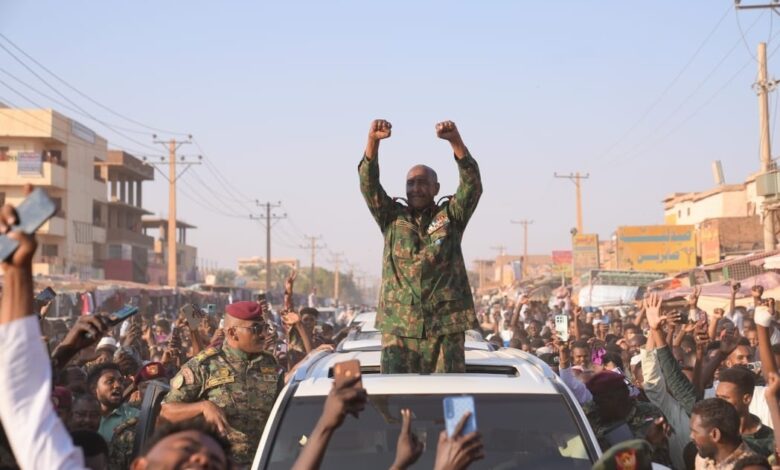
The Sudanese Armed Forces (SAF) have announced the capture of several South Sudanese nationals fighting alongside the Rapid Support Forces (RSF), providing the most concrete evidence to date of the conflict’s dangerous regionalization.
As the civil war intensifies, the presence of foreign combatants in the heart of the battle for Khartoum threatens to dismantle delicate diplomatic ties between Sudan and its southern neighbor.
This development underscores the growing role of cross-border mercenary networks and tribal militias that are rapidly transforming a domestic power struggle into a broader East African security crisis.
The war for control of Sudan has entered a volatile new phase. Recent battlefield reports from military intelligence sources in Port Sudan confirm that during high-intensity clearing operations, SAF units apprehended a group of foreign fighters embedded within RSF tactical units. Among those detained were several individuals identified as South Sudanese nationals. This revelation strikes at the heart of the ongoing narrative regarding the RSF’s recruitment strategies, highlighting a heavy reliance on seasoned fighters from across the Sahel and the Sudans to bolster their depleted ranks.
For the government in Juba, these captures present a profound political challenge. President Salva Kiir has positioned South Sudan as a primary mediator in the conflict, hosting peace talks and maintaining a veneer of neutrality. However, the discovery of South Sudanese citizens actively engaging in the slaughter of Sudanese troops and civilians risks sabotaging Juba’s credibility. While the South Sudanese government has consistently denied official involvement, the reality of porous borders and long-standing tribal alliances means that non-state actors and disgruntled former rebels find the RSF’s financial incentives—often funded by illicit gold networks—impossible to ignore.
The presence of South Sudanese fighters is symptomatic of a much larger contagion. Intelligence analysts warn that the RSF, led by Mohamed Hamdan “Hemeti” Dagalo, has effectively internationalized the frontline. By tapping into ethnic ties that transcend colonial-era borders, the RSF is successfully drawing in combatants from Chad, Niger, and the Central African Republic. These “mercenaries of opportunity” bring a level of brutality that has significantly worsened the humanitarian catastrophe, as these groups often operate outside of any formal chain of command or international legal framework.
The involvement of foreign nationals effectively “locks in” the conflict, making a ceasefire nearly impossible to negotiate. As more regional actors become stakeholders in the violence, the incentive for a peaceful resolution diminishes. The Sudanese military leadership has used these captures to bolster its argument that the RSF is no longer a Sudanese entity, but a “terrorist coalition” of foreign invaders. This rhetoric is hardening the SAF’s stance against negotiations, as they frame the war as a struggle for national survival against foreign interference.
As the war drags on, the influx of foreign fighters exacerbates the displacement crisis. Over 10 million people have already been forced from their homes, and the presence of cross-border militias increases the likelihood of the violence spilling back into South Sudan and Chad. The international community now faces a grim reality: without a coordinated effort to cut off the RSF’s regional supply lines and recruitment pipelines, Sudan may follow the path of Somalia—a fragmented state .
African Union Welcomes Sudan’s UNSC Peace Initiative