Transatlantic Steel: UK and France Execute High-Precision Strike on ISIS Bastion Near Palmyra

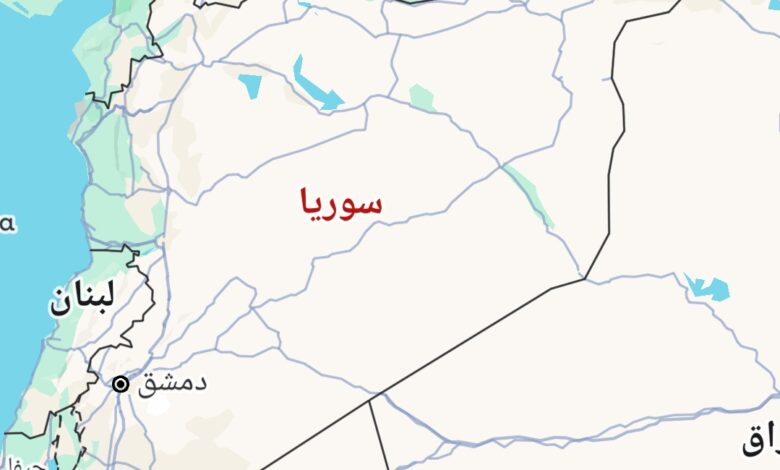
In a significant escalation of the persistent campaign to eradicate the remnants of the global caliphate, the United Kingdom and France launched a coordinated, high-precision aerial strike against a strategic Islamic State (ISIS) stronghold located in the vicinity of Palmyra, Syria.
According to official statements from the British Ministry of Defence, the operation was a masterclass in joint-force synergy, utilizing advanced intelligence to pinpoint a desert encampment that served as a critical node for insurgent planning and logistics.
The strike, carried out by Royal Air Force Typhoons alongside French fighter jets, resulted in the total destruction of the target, effectively neutralizing a cell that had been actively plotting attacks against regional security forces and civilian infrastructure.
This joint maneuver serves as a stark reminder of the enduring commitment of the Global Coalition; it signals to both regional adversaries and non-state actors that the withdrawal of traditional ground forces has not diminished the coalition’s “over-the-horizon” capability to project devastating force.
By striking deep within the Syrian desert—an area where ISIS has attempted to exploit topographical voids—London and Paris have reasserted their role as primary guarantors of stability in the Levant.
Beyond the immediate tactical success, the mission underscores a tightening of military cooperation between the two European powers in the post-Brexit era, demonstrating that when it comes to the existential threat posed by radical extremism, the Anglo-French alliance remains an impenetrable wall of “Absolute Resolve.”
African Union Voices Deep Concern Over Situation in Venezuela
.