Amid Political turmoil, Indian Medical Students in Bangladesh Face Rising Hostility

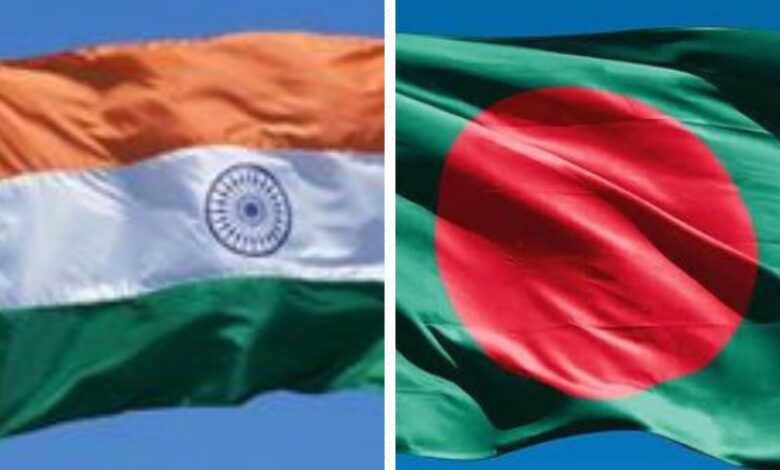
DHAKA- More than 9,000 Indian medical students in Bangladesh are grappling with a climate of fear and restricted movement as anti-India sentiment surges across the country.
Following the August 2024 ouster of former Prime Minister Sheikh Hasina and her subsequent exile in New Delhi, Indian nationals have become targets of local hostility, with students reporting physical assaults, verbal harassment, and academic discrimination.
The situation has prompted many to self-isolate in hostels, as early curfews and campus lockdowns turn educational institutes into spaces of confinement ahead of the high-stakes national elections scheduled for February 12.
Students report hiding their Indian identities in public spaces to avoid retribution, especially following a violent mugging of an Indian student in December that went viral within the community.
The refusal of the Indian government to extradite Sheikh Hasina—recently sentenced to death in absentia by a Dhaka tribunal—has fueled nationalist anger on the streets of Bangladesh.
The crisis highlights the extreme vulnerability of international student populations during periods of bilateral diplomatic collapse.
For India, the safety of its students in Bangladesh has become a top-tier foreign policy priority that could further strain relations with the Yunus-led interim government.
Conversely, for Bangladesh, the ability to protect foreign nationals serves as a critical test of its stability and law-and-order capabilities as it approaches a volatile election cycle.
Successive disruptions from the COVID-19 pandemic and the 2024 uprising have derailed graduation timelines, leaving many final-year students stuck in a state of professional limbo.
While the Bangladeshi interim government has deployed armed forces with magistracy powers to maintain order, Indian student bodies have petitioned Prime Minister Narendra Modi for emergency intervention and potential evacuation.
Certainly , Most students opted for Bangladesh due to the scarcity and high cost of medical seats in India; with life savings invested in their degrees, many feel they cannot afford to leave despite the “nightmare” conditions.
Cyber Siege 2026: Digital Threats Topple Traditional Risks as Africa’s Top Corporate Menace