»» Trump’s rhetoric receives explicit support from exiled opposition
Iranian President Masoud Pezeshkian has promised a sweeping “major subsidy system reform” and a structural overhaul of the banking sector as nationwide protests enter their third week.
Adopting a rare conciliatory tone on state television, Pezeshkian claimed his administration is “ready to listen to the people,” even as he accused the United States and Israel of orchestrating “rioters” to destabilize the nation following last year’s military hostilities.
In a televised interview with state-run IRIB, President Pezeshkian emphasized that the “livelihood of ordinary citizens” is his government’s primary daily concern.
He confirmed he has officially tasked the Minister of the Interior to establish dialogue channels to hear “legitimate demands” from representatives of the protesters.
The unrest was triggered by a dramatic collapse of the Iranian rial in late December 2025, which saw the currency lose nearly 50% of its value following a 12-day military conflict with Israel earlier in the year.
The government is now pushing a reform plan aimed at market stabilization, boosting production, and restoring purchasing power.
This follows the recent resignation of Central Bank Governor Mohammad Reza Farzin amid the economic freefall.
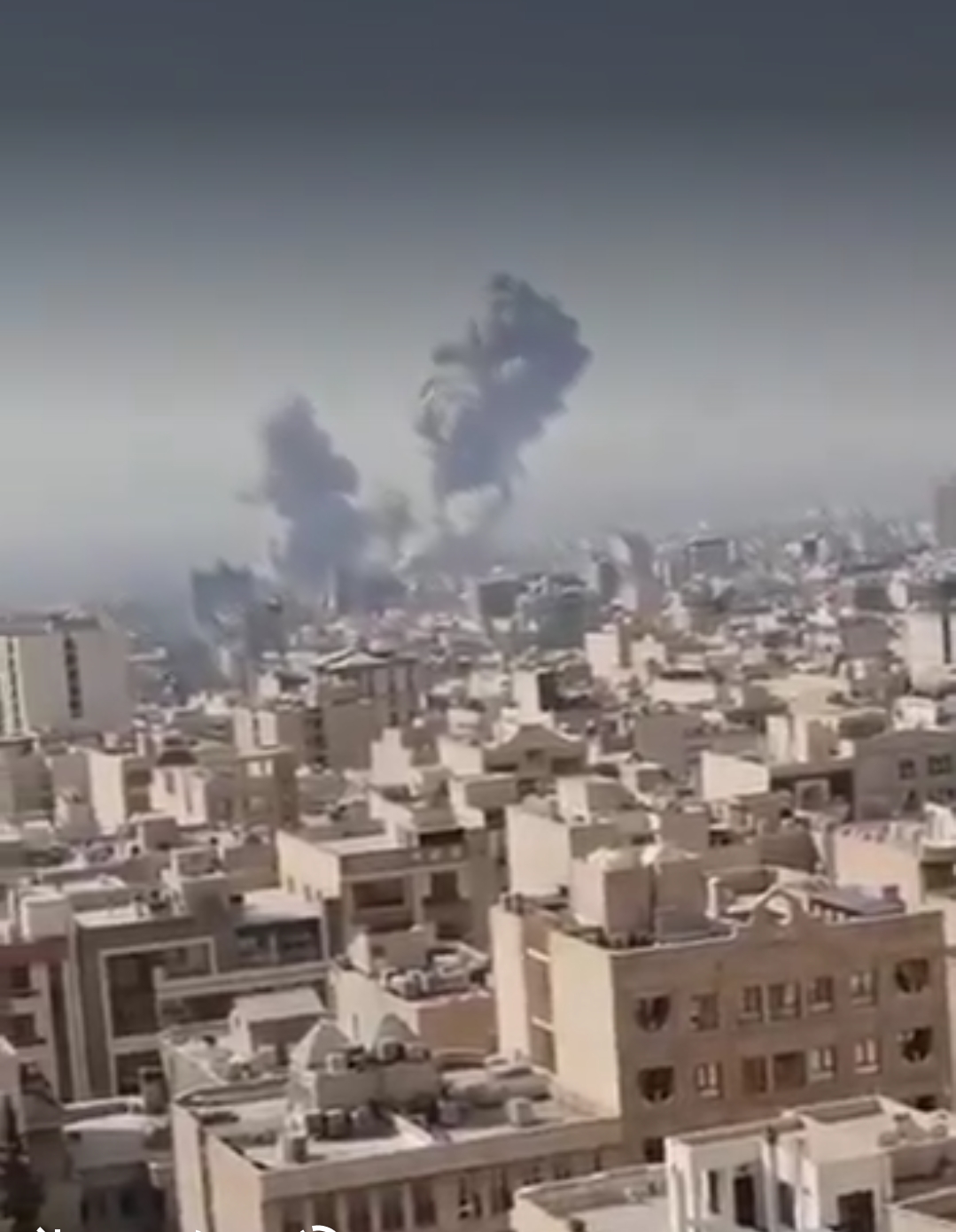
What began as a strike by merchants in Tehran’s Grand Bazaar has evolved into a political movement spreading to all 31 provinces.
Reports indicate the demonstrations are the largest since the “Woman, Life, Freedom” movement of 2022.
While state media initially focused on economic grievances, protesters are increasingly calling for fundamental “regime change” and structural shifts in governance.
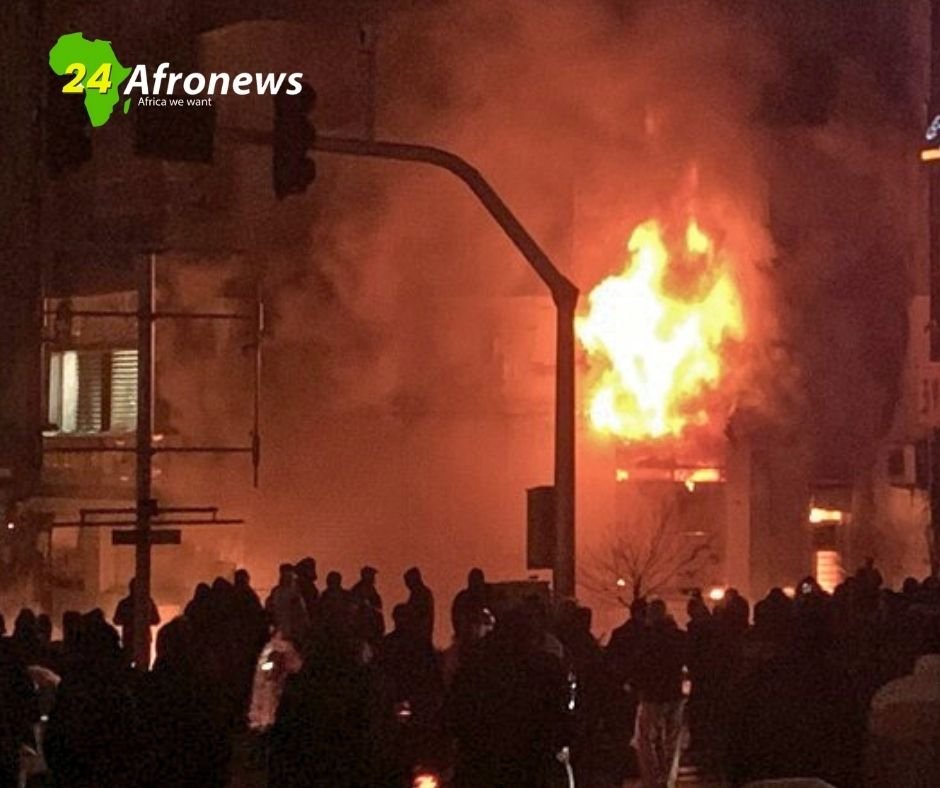
Clashes between security forces and demonstrators have turned deadly. While the government describes those involved in violence as “rioters and terrorists,” independent rights monitors and activists report that the death toll has reached at least 116.
Additionally, authorities have reportedly killed over 100 officers during the crackdown, reflecting the intensity of the confrontations.
The domestic crisis is unfolding against a backdrop of severe international pressure.
Pezeshkian linked the internal instability to “foreign enemies,” specifically mentioning Washington and Tel Aviv.
Meanwhile, Parliament Speaker Mohammad Baqer Qalibaf warned that U.S. and Israeli regional bases would be “legitimate targets” if foreign military action is taken against Iran, particularly as reports circulate that the U.S. administration is considering strikes.
Despite his mediating stance, Pezeshkian faces internal pressure. His recent budget drew criticism for increasing security spending by nearly 150% while offering wage increases that cover only a fraction of the current inflation rate.
Furthermore, the “traditional backbone” of the state—the bazaar merchants—remains in open defiance, signaled by widespread shop closures across 21 provinces.
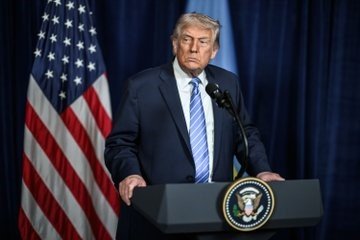
Meanwhile , U.S. President Donald Trump announced on Sunday that Iran’s leadership has reached out to initiate negotiations after he repeatedly threatened military intervention to protect anti-government protesters. Speaking aboard Air Force One, Trump claimed a meeting is currently being arranged but cautioned that the United States “may have to act” before any diplomatic summit takes place, as human rights groups warn of an unfolding “massacre” with death tolls now reportedly exceeding 500.
he latest reports from the U.S.-based Human Rights Activists News Agency (HRANA) indicate a sharp spike in violence, verifying at least 544 deaths—including 496 protesters and 48 security personnel.
Activists describe images of bodies piled outside morgues and warn that the true toll is likely much higher due to a total nationwide internet and phone blackout intended to “mask state violence.
in a move to bypass the regime’s digital blockade, President Trump stated he plans to speak with Elon Musk about utilizing Starlink to restore internet access across Iran.
This follows reports that the Iranian government has implemented a complete shutdown to prevent the global dissemination of protest footage.
the U.S. president’s “locked and loaded” rhetoric has received explicit support from exiled opposition figures, including former Crown Prince Reza Pahlavi, who urged Iranian security forces to defect and stand with the people rather than remain “complicit with murderers.”