Artificial Intelligence Takes Center Stage at the Digital Cooperation Organization’s General Assembly in Kuwait

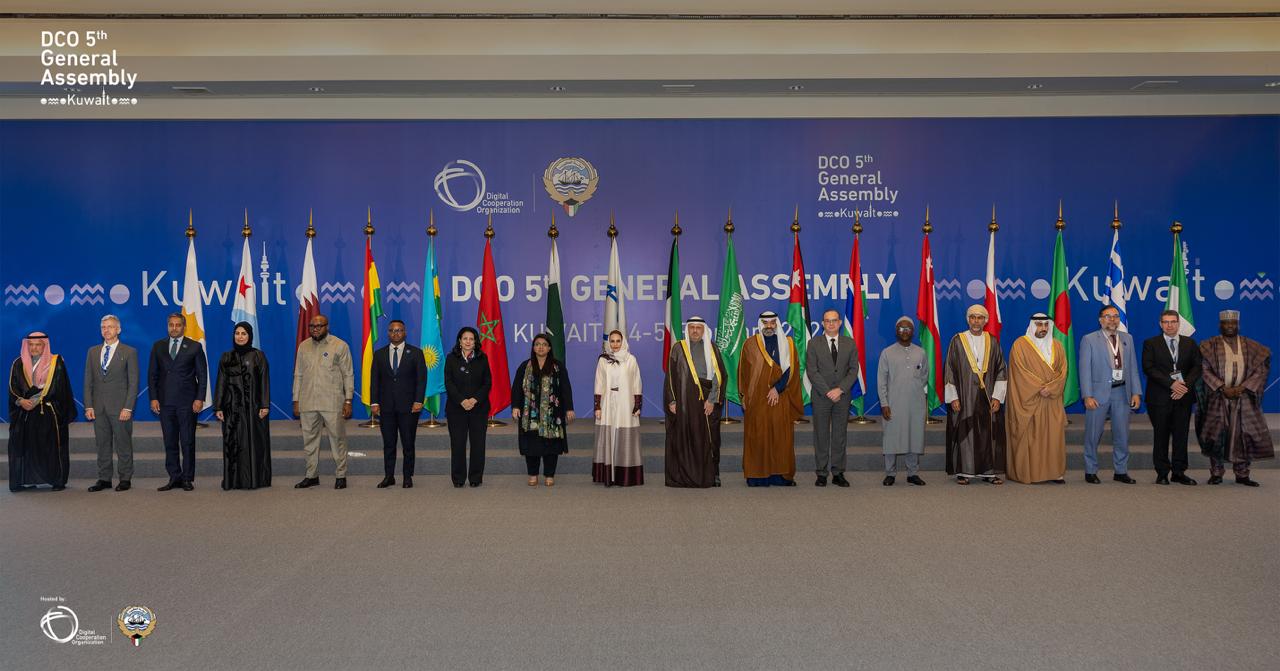
Artificial intelligence (AI) technologies dominated the meetings of the Digital Cooperation Organization (DCO) General Assembly, which kicked off on Wednesday in Kuwait , with the participation of ministers and officials from 16 member states, alongside a large number of senior international officials and experts.
The meetings featured a ministerial roundtable held as part of the fifth General Assembly of the Digital Cooperation Organization, convened in Kuwait under the theme “Digital Prosperity in the Age of Artificial Intelligence.” The session was attended by 16 ministers responsible for communications, information technology, and the digital economy in DCO member states, as well as senior government and international leaders. During the roundtable, United Nations Secretary-General António Guterres addressed participants via a video message.
During the opening of the ministerial roundtable session, Kuwaiti Minister of State for Communications and Information Technology and Acting Minister of Information and Culture Omar Al-Omar announced the launch of an international treaty on artificial intelligence aimed at establishing comprehensive governance of technology in a manner that serves the interests of all countries.
In his remarks, Al-Omar said the treaty represents an opportunity for all countries willing to contribute to shaping AI governance for the benefit of all. He stressed that “artificial intelligence does not recognize national borders, and its risks to labor markets, information integrity, security, and the fabric of our economies are systemic and transboundary. No country, regardless of its capabilities, can confront these challenges alone.”
Al-Omar further affirmed Kuwait’s commitment, through its presidency of the Digital Cooperation Organization, to combating misinformation and promoting inclusive growth in the age of artificial intelligence, noting that misinformation poses a direct threat to national security and social cohesion.
He added that digital transformation places growing responsibilities on governments to deliver secure and reliable digital services, enhance economic competitiveness, and build education systems capable of equipping future generations with the skills required for the future, while emphasizing the importance of safety and security in cyberspace.
Artificial Intelligence
DCO Secretary-General Deemah Al-Yahya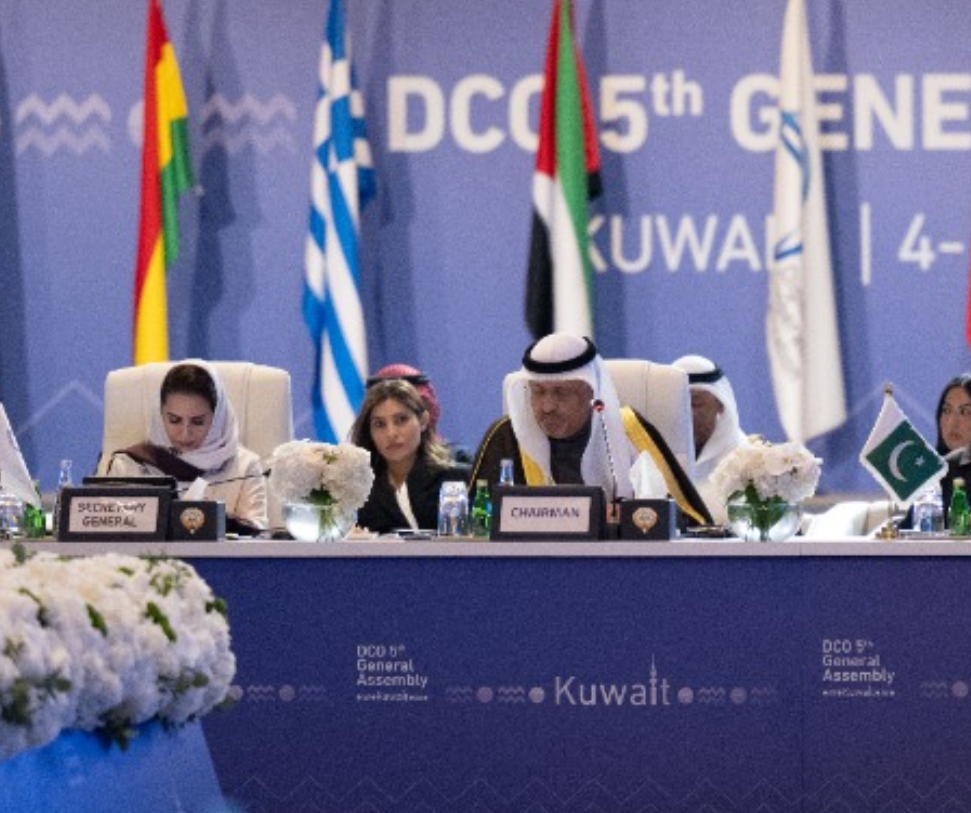 said that the rapid pace of AI development has begun to outstrip the ability of individual states to regulate it on their own, noting that today’s AI models far exceed, in terms of capabilities, those that existed just a few years ago. She explained that this accelerating trajectory presents both challenges and opportunities simultaneously.
Al-Yahya stated that artificial intelligence offers vast potential to boost productivity, accelerate scientific discovery, and improve public services, but also entails cross-border risks, including the spread of misinformation, disruptions to labor markets, and the concentration of capabilities in the hands of a limited number of countries or corporations.
She emphasized that AI governance is not merely a technical issue, but one of values, justice, and a shared future, saying: “Today, we have taken the first step to ensure that this future is shaped by the voices of all, not by the voices of a few.”
UN Initiatives and Global AI Governance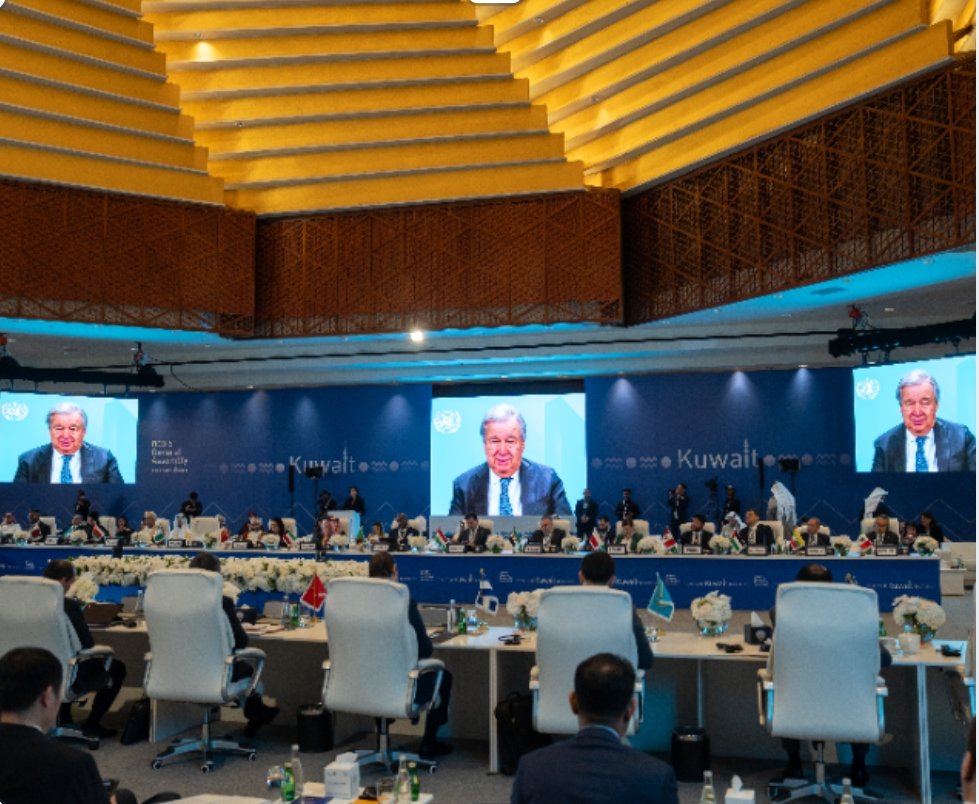
Guterres reaffirmed that digital cooperation has become a fundamental pillar for dialogue, trust-building, and global stability, particularly amid growing geopolitical fragmentation worldwide.
In his recorded message to the fifth DCO General Assembly, Guterres thanked the organization for convening the session, congratulated Deemah Al-Yahya on the start of her second term as Secretary-General, and praised the Assembly’s focus on the theme “Inclusive Prosperity in the Age of Artificial Intelligence.”
He explained that, through the Global Digital Compact, UN member states have acknowledged the need for humanity to guide and control the trajectory of technology—rather than allowing technology to control humanity—stressing the importance of sound governance of rapidly evolving digital technologies.
Guterres noted that the United Nations is currently advancing this agenda through three main tracks, including the imminent launch of an independent scientific panel on artificial intelligence, which will provide neutral, evidence-based assessments of AI opportunities, risks, and impacts.
He also announced that the first Global Dialogue on AI Governance will be held in July at United Nations Headquarters, in a step aimed at strengthening international cooperation and establishing shared frameworks for regulating this technology.
Guterres concluded his message by expressing his aspiration to work closely with the Digital Cooperation Organization and all international partners to establish safeguards and accountability mechanisms, strengthen shared standards, and bridge the AI divide, ensuring that the benefits of artificial intelligence are distributed fairly among all peoples of the world.
Palestine: Digital Infrastructure as a Humanitarian Necessity
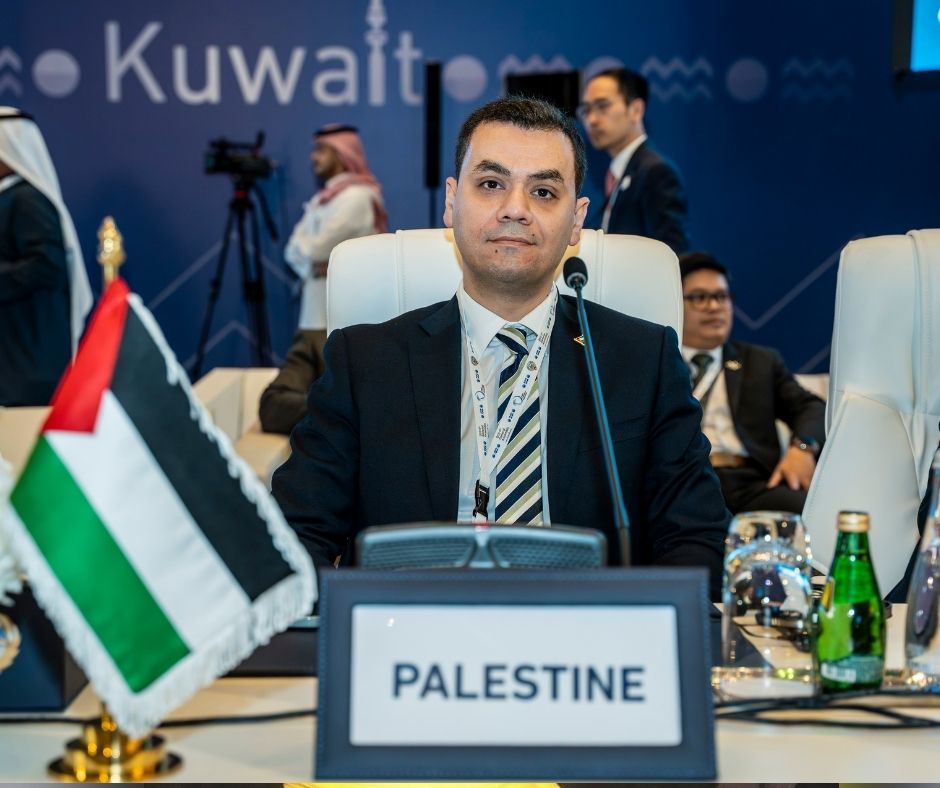
In his address, the representative of the State of Palestine highlighted the tragic conditions facing the Palestinian people in the Gaza Strip and the West Bank, noting that digital and telecommunications infrastructure in Gaza has been completely destroyed, while digital sovereignty in the West Bank remains severely constrained.
He described digital fragmentation as an existing and tangible reality, stressing that digital infrastructure and AI governance constitute a humanitarian necessity. He called for inclusive frameworks that protect communities affected by conflict and marginalized populations.
Following the conclusion of the Palestinian representative’s remarks, the hall erupted in applause, expressing broad support for the legitimate rights of the Palestinian people to establish their independent state on the borders of June 4, with occupied Jerusalem as its capital.