Cuban Security Advisers Begin Venezuela Exit Amid Intensifying U.S. Pressure, Reuters says

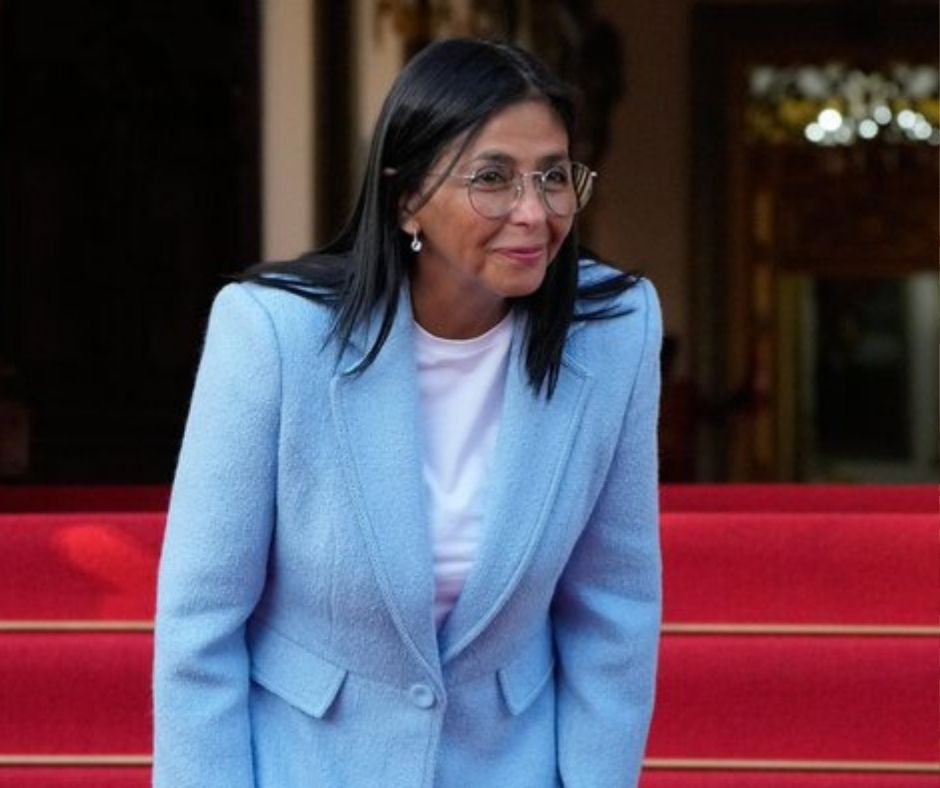
Cuban security advisers and medical personnel have begun withdrawing from Venezuela as the government of Interim President Delcy Rodriguez faces escalating pressure from Washington to dismantle the region’s most prominent leftist alliance, 11 sources familiar with the matter told Reuters.
In a significant shift from the security protocols of her predecessors, the late Hugo Chavez and the deposed Nicolas Maduro—both of whom relied heavily on elite Cuban units—Reuters reported that Rodriguez has now entrusted her personal protection to Venezuelan bodyguards. This move to sideline Cuban officials from the presidential guard and the DGCIM counterintelligence unit has not been previously reported.
The departure follows a period of intense volatility, The Cuban government confirmed that 32 of its citizens were killed during the U.S. military operation that captured Maduro on January 3. Reuters added that these personnel were part of a comprehensive security pact established in the late 2000s, which saw Cuban intelligence agents embedded throughout the Venezuelan military and counterintelligence apparatus to neutralize domestic opposition.
Alejandro Velasco, an associate professor at New York University and expert on Venezuela, told Reuters that “the Cuban influence was absolutely essential” to the survival of the Chavista movement. However, a former Venezuelan intelligence official revealed that several Cuban advisers have recently been removed from their posts within the DGCIM.
While two sources noted that Cuban workers have been seen departing on flights to Havana in recent weeks, Reuters disclosed that the exact nature of the withdrawal remains a subject of debate. One source close to the ruling party asserted that the Cubans are leaving on Rodriguez’s direct orders due to U.S. pressure. Other sources, however, could not confirm whether the personnel were being forced out by the new leadership, leaving voluntarily, or being recalled by Havana.
The Trump administration has been vocal about its intent to sever these ties. Reuters quoted a January 11 post from President Donald Trump on Truth Social, in which he vowed to end the “Security Services” Cuba provided to Venezuelan dictators in exchange for oil. A White House official further stated to Reuters that the U.S. maintains a “very good relationship” with Venezuela’s current leaders, suggesting that Rodriguez’s “own self-interest aligns with advancing our key objectives.”
The official strived to emphasize that Washington’s broader strategy involves toppling Havana’s communist government. Since mid-December, a U.S. blockade has prevented Venezuela from shipping oil to Cuba, an exchange that had previously sustained the island’s economy. The White House official confirmed that the U.S. is currently “talking to Cuba, whose leaders should make a deal.”
Despite the friction, Reuters indicated that both governments have publicly affirmed their solidarity. Rodriguez, a longtime ally of Maduro with close personal ties to Havana, appeared alongside Cuban Foreign Minister Bruno Rodriguez at a memorial in Caracas. The Foreign Minister reaffirmed Cuba’s “deepest solidarity” with the Venezuelan people. Furthermore, Rodriguez recently spoke with Cuban President Miguel Diaz-Canel, after which both leaders described their nations as remaining “united.”
Addressing these public displays, a White House official suggested to Reuters that “President Trump understands that they have to make certain statements for domestic political reasons.”
Reporting on the ground suggests the withdrawal is not yet total. A source familiar with the Cuban government’s thinking told Reuters that while injured military personnel have returned home, others remain active, and many doctors continue their work in the country. A U.S. source familiar with the matter cautioned that while the Cuban presence is diminishing, undercover intelligence agents likely remain to monitor the evolving political landscape.
Frank Mora, former U.S. ambassador to the Organization of American States, told Reuters that Rodriguez is “treading very carefully,” attempting to keep the Cubans at a distance to stabilize her hold on power without entirely abandoning the alliance.
Reuters concluded by noting that some Cuban military advisers and professors continue to operate within Venezuelan state security universities. John Polga-Hecimovich, a professor at the U.S. Naval Academy, observed that while the Cubans failed to protect Maduro, their “coup-proofing” efforts played a vital role in keeping the Chavista structure intact.. Neither the Cuban nor the Venezuelan governments responded to Reuters’ requests for formal comment.
Trump accepts Nobel medal from Venezuelan opposition leader