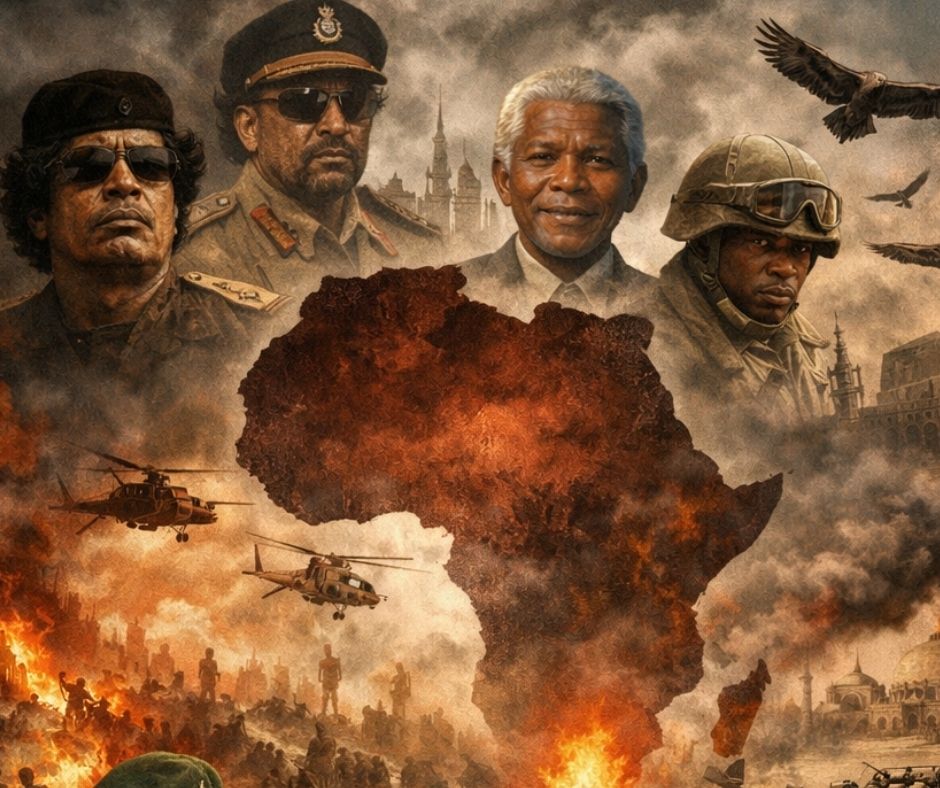
The year 2025 (and the period leading into it) has been one of the most testing times for democratic governance across the African continent. From the Sahel to the Horn of Africa, the narrative has been dominated by a push-and-pull between constitutional rule and military intervention, alongside a series of high-stakes elections that have tested the resilience of national institutions.
Africa stands at a crossroads. While the decline of democratic norms in some regions is alarming, the vibrant civil society movements and the resilience of the youth suggest that the dream of a democratic Africa is far from dead. The coming year will be crucial in determining whether the continent will succumb to the “Strongman” model or if its institutions can evolve to meet the aspirations of its people.
The Resurgence of Coups and Military Rule
The “Coups Belt” in the Sahel region has solidified its presence, with military juntas in Mali, Burkina Faso, and Niger moving further away from their promises of returning to civilian rule.
These regimes have not only consolidated power but have also redefined their international alliances, pivoting away from traditional Western partners like France toward new security architectures, often involving Russian influence.
The justification remains the same across the board: a failure of democratic governments to tackle worsening insecurity and the threat of Islamist insurgencies. This trend has created a “contagion effect,” where the military is increasingly viewed as a viable alternative to perceived “corrupt and ineffective” civilian leadership.
Elections: The High-Stakes Litmus Test
The African electoral calendar was packed, but the outcomes have been a mixed bag for democracy.
While some nations successfully navigated peaceful transitions, others were marred by allegations of “Constitutional Coups”—where incumbent leaders manipulated legal frameworks or cracked down on opposition figures to extend their stay in power.
Voter suppression and digital censorship (internet shutdowns) were frequently reported tools used to stifle dissent during election cycles. However, the youth bulge in Africa continues to be a formidable force; young voters have shown an unprecedented appetite for change, demanding transparency and economic opportunities that transcend old ethnic and tribal divisions.
Protests and the Power of the Street
From Kenya to Senegal, the “Street” has become a powerful arbiter of political legitimacy.
Protests, often fueled by the soaring cost of living and tax hikes, have evolved into broader demands for better governance.
In Kenya, for instance, youth-led movements challenged established political hierarchies, forcing governments to reconsider fiscal policies. These protests demonstrate that even in the absence of strong institutional checks, the African public—particularly Gen Z—is willing to risk everything to hold their leaders accountable.
The Regional Response and Future Outlook
The African Union (AU) and regional blocs like ECOWAS have faced a crisis of credibility.
Their “zero-tolerance” policy toward unconstitutional changes of government has been met with defiance by military leaders, exposing the limitations of regional diplomacy.
As the continent moves forward, the primary challenge remains bridging the gap between “pro-forma” democracy (elections) and “substantive” democracy (service delivery and rule of law).
Kwame Nkrumah … From the Struggle for Ghana’s Independence to the Dream of African Unity