A recent economic report issued by Allianz Research, the research arm of the Allianz Group for global investments and financial services, stated that the depreciation of the U.S. dollar, tariff shocks, and the decline in global oil prices continue to have mixed effects on the economies of Africa and the Middle East. Nevertheless, economic growth in both regions remains resilient and supported by solid fundamentals.
In its economic outlook for 2026 and 2027, Allianz Research expects the African economy to record growth of around 4% in both 2025 and 2026, benefiting from improved commodity prices and the easing impact of a strong dollar on import and financing costs. The report noted that the limited exposure of most African countries to the U.S. market helped them avoid the shock of tariffs, with the exception of South Africa.
The report added that gold-, silver-, and copper-exporting countries—such as Ghana, Zambia, and South Africa—have benefited from strong increases in the prices of these metals. Financing conditions have also improved with the weakening of the dollar, contributing to lower import costs and bond yields, although yields remain higher than pre-war levels prior to the conflict in Ukraine, with South Africa being the exception, as it recorded a sharper decline in yields.
The report highlighted that many African countries have returned to international bond markets (Eurobonds), with issuance volumes nearly doubling compared to the previous year. Meanwhile, equity markets posted strong performance, with the S&P Africa 40 index rising by about 50% since the beginning of the year, outperforming its counterpart in advanced economies.
In the Middle East, Allianz Research expects growth to reach 2.6% in 2025 before accelerating to 3.2% in 2026, following an upward revision to forecasts. This comes amid a reduced impact from falling oil prices, supported by increased public debt issuance and higher levels of oil production compared to previous years. The report also pointed to a continued decline in inflation rates, particularly in countries that experienced price shocks during 2024.
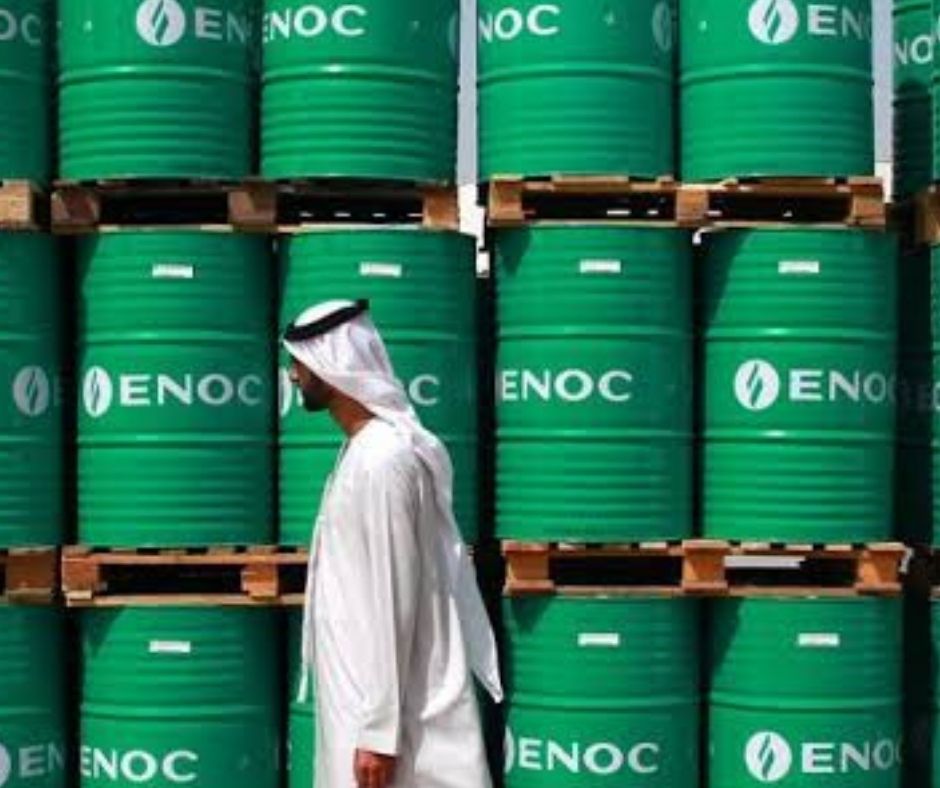
The report explained that lower oil prices have put pressure on fiscal conditions in several countries across the region, prompting them to turn to debt markets to support high levels of spending. It noted that Bahrain remains the weakest country in terms of creditworthiness within the Gulf Cooperation Council, while the United Arab Emirates continues to be the most diversified economy in the region, supported by strong growth in non-oil sectors.
The report indicated that Saudi Arabia and Kuwait still rely heavily on oil revenues; however, the large foreign exchange reserves held by their central banks and low debt ratios have helped support economic activity and sustain spending. In Saudi Arabia, spending has been redirected from massive infrastructure projects to other areas, including artificial intelligence. The report also expects Qatar to deliver stronger performance in 2026 as new gas fields enter the production phase.
On the geopolitical front, Allianz Research pointed out that the ceasefire between Hamas and Israel, along with greater government stability in Syria and Lebanon, is contributing to growth in a region that has suffered from conflicts for more than a decade.
The report also noted that Israel’s general elections, scheduled to take place by October 2026, represent the most significant political event to be monitored by markets, as they will test the level of support for Prime Minister Benjamin Netanyahu’s coalition.
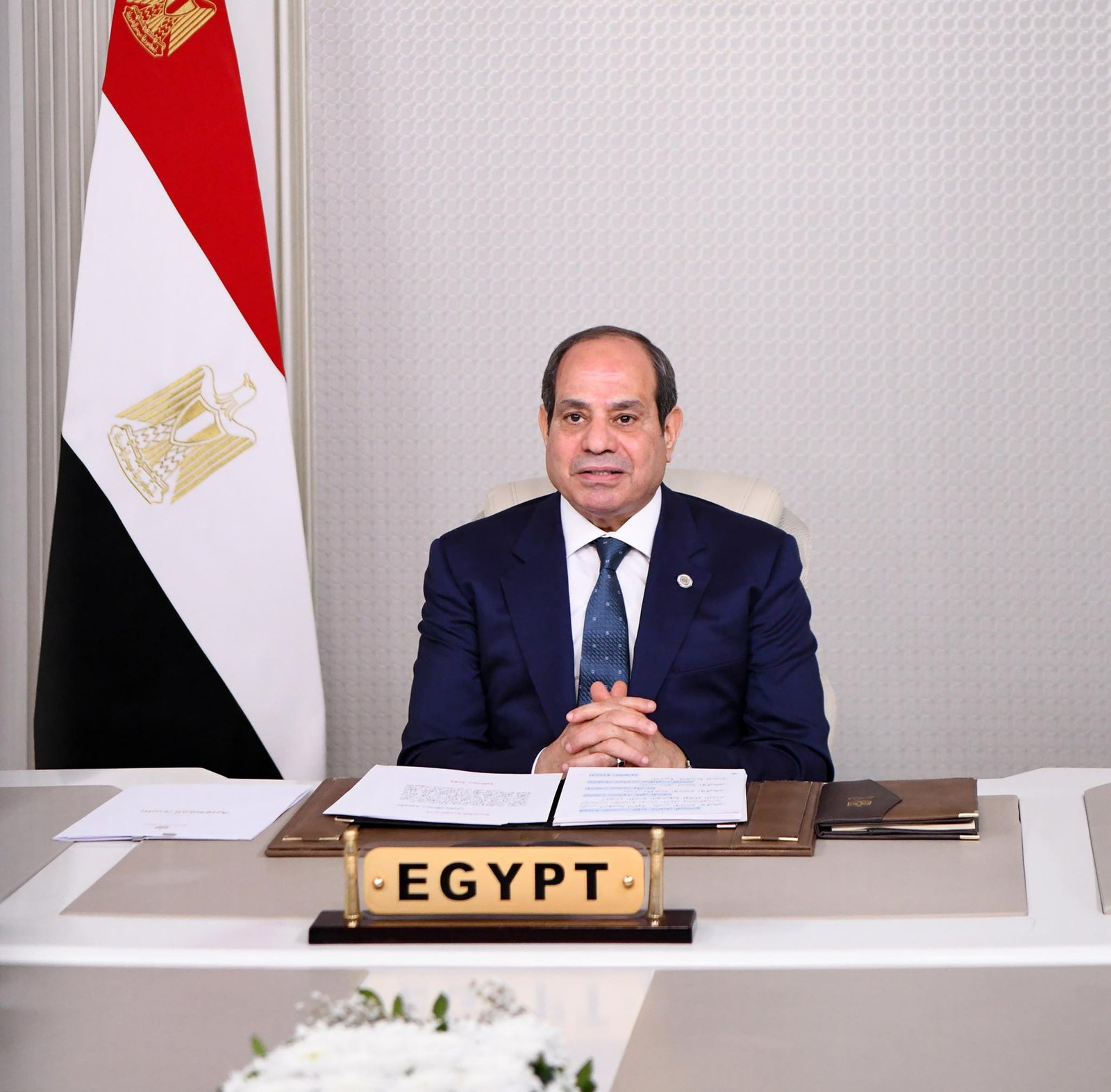
Regarding Egypt, the most populous country in the region, the report confirmed that it has begun emerging from a deep economic crisis, with expectations of achieving growth exceeding 4% during the 2025–2027 period. This growth is supported by the return of navigation through the Suez Canal to its previous levels, which is expected to have a positive impact on revenues.