Egyptian FM to Special Rapporteur: per capita water drops to under half of UN threshold

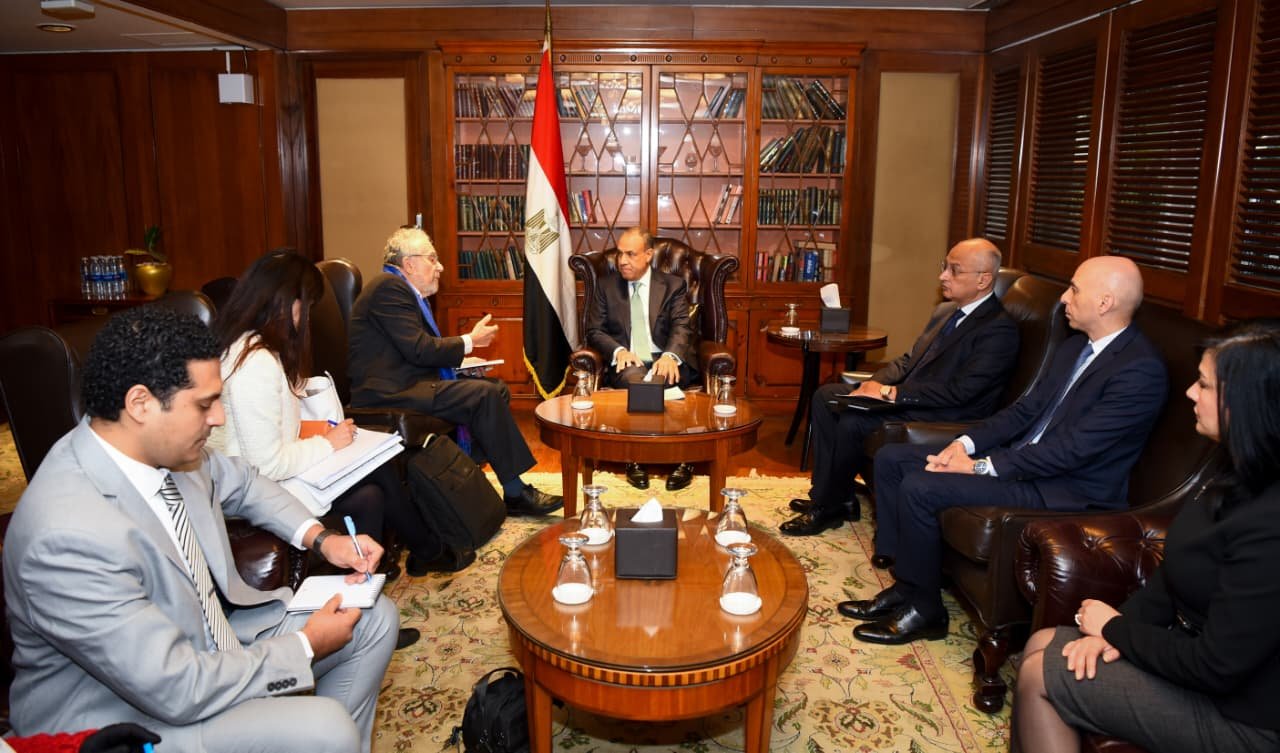
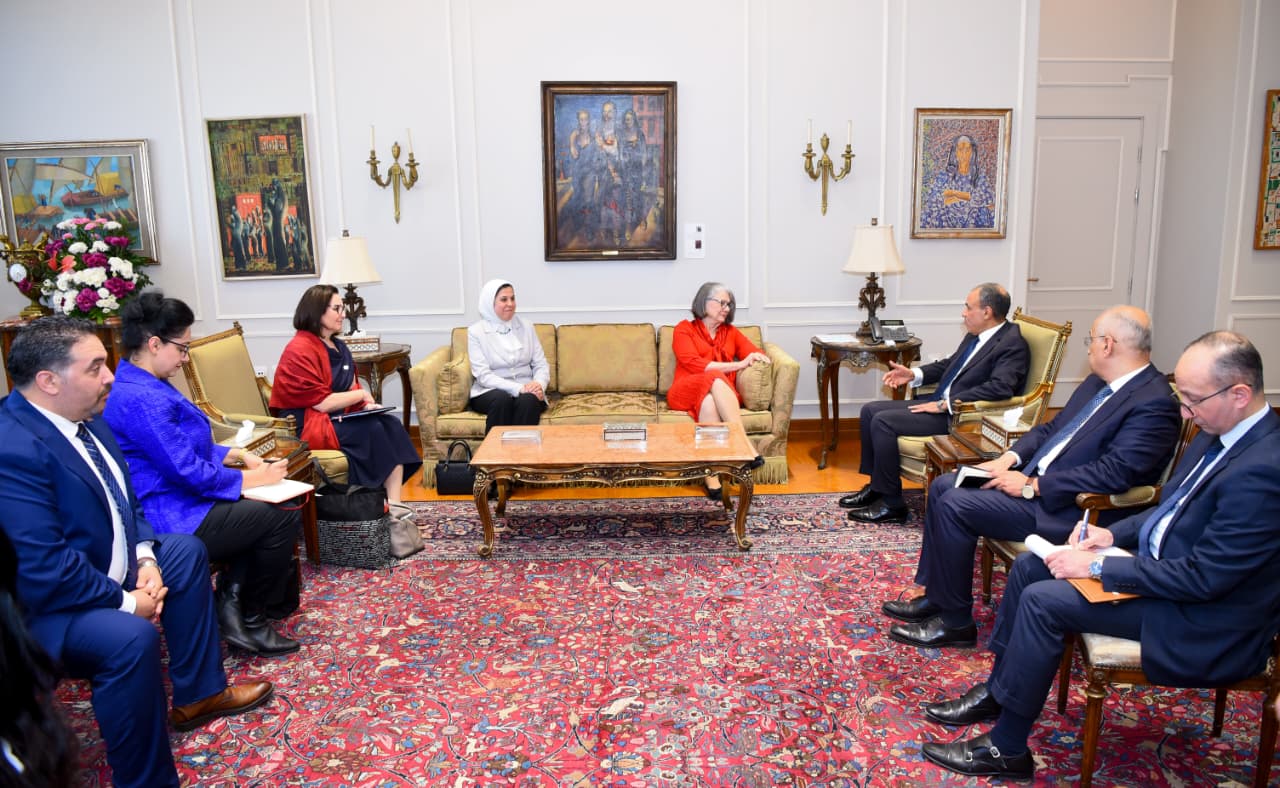
Egypt’s per capita share of water has fallen to less than 490 cubic metres a year, well below the United Nations (UN) water poverty threshold, Foreign Minister Badr Abdelatty said on Sunday during talks in Cairo with the UN Special Rapporteur on the right to water and sanitation, Pedro Arrojo-Agud.
Abdelatty said the figure reflects mounting pressure on Egypt’s limited water resources, noting that the country depends on the Nile River for about 98 percent of its renewable freshwater to serve a population of more than 110 million.
The remarks came during the UN expert’s visit to Egypt at the government’s invitation, as Cairo seeks to step up engagement with international human rights mechanisms following the start of its membership of the UN Human Rights Council earlier this year.
Abdelatty said Egypt has taken a series of measures in recent years to narrow the widening water gap and secure supplies for its population, including legislative and institutional reforms and large-scale investment in water and sanitation infrastructure.
He cited nationwide projects to expand drinking water and sanitation networks, particularly in rural areas, under programmes such as the Haya Karima (Decent Life) initiative.
The foreign minister, who also chairs Egypt’s Supreme Standing Committee for Human Rights, said access to safe drinking water and sanitation is a core pillar of Egypt’s National Human Rights Strategy.
He added that Egypt has expanded wastewater treatment and reuse, established seawater desalination plants, improved water service quality, and adopted modern irrigation technologies to curb consumption in agriculture, the country’s largest water user.
Abdelatty also pointed to efforts to address climate risks and strengthen environmental protection as part of a broader approach to water security.
On regional water issues, Abdelatty stressed the need to uphold international law governing transboundary watercourses, including the Nile, rejecting unilateral upstream measures that undermine a state’s ability to meet its population’s water needs.
He underscored the principles of prior notification and the obligation not to cause harm, saying cooperation based on consensus and mutual respect is essential to protecting the shared interests of Nile Basin countries.
Egypt is among the world’s most water-scarce states, with annual per capita water availability less than half the UN benchmark of 1,000 cubic metres, due to rapid population growth, climate pressures, and limited natural freshwater resources.
Successive governments have warned that Egypt’s heavy reliance on the Nile leaves it highly vulnerable to upstream developments and climate variability.
To manage the strain, authorities have combined infrastructure expansion with demand-management policies, including shifting away from flood irrigation, promoting water-efficient farming practices, and upgrading water treatment facilities to improve supply continuity and quality.
Climate adaptation measures, such as flood protection and drought-mitigation planning, have also been introduced as Egypt faces increasing climate-related risks to water security.