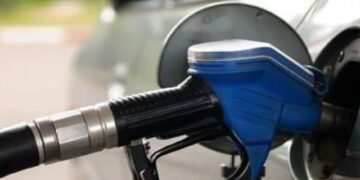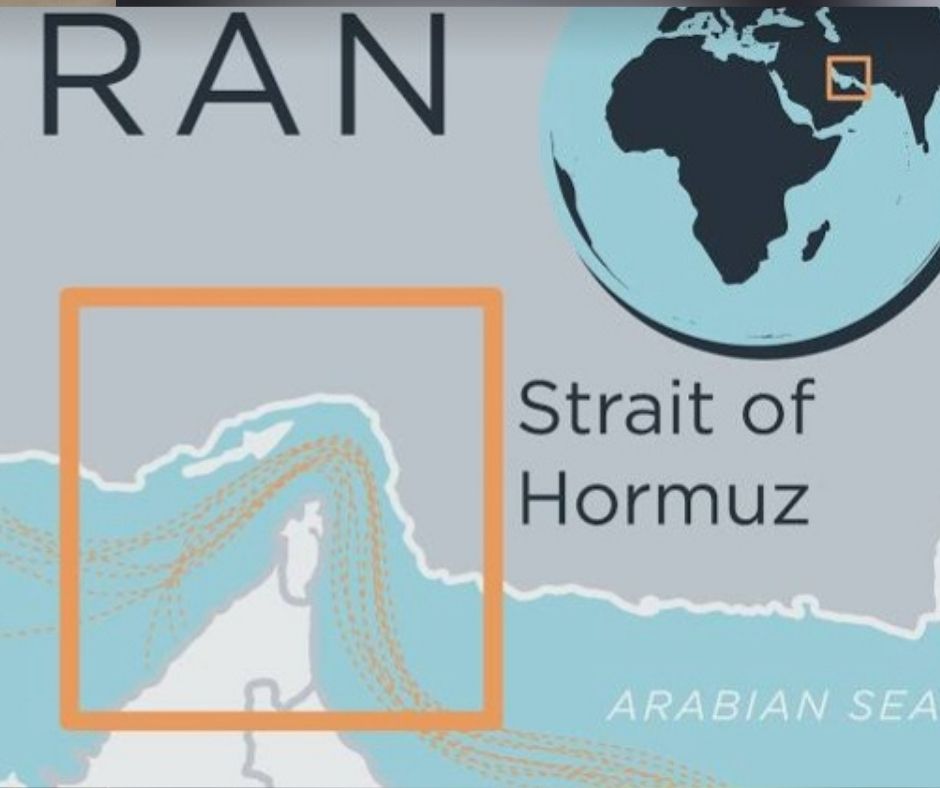
South Africa is racing against time to secure new energy suppliers as the intensifying conflict in the Middle East—pitting the United States and Israel against Iran—threatens to paralyze the nation’s economy. According to reports from Bloomberg, the disruption of refined fuel shipments through the Strait of Hormuz now constitutes the single most significant energy risk to the country. With global oil prices breaching the $105 per barrel mark, the Ramaphosa administration is grappling with a dual crisis of supply security and skyrocketing inflation.
The Hormuz Bottleneck
Minister of Mineral and Petroleum Resources Gwede Mantashe confirmed at a high-level conference in Cape Town that South Africa is in urgent discussions to identify additional supply partners. The Washington Post and other international outlets observe that the closure of the Strait of Hormuz has reduced trade to a trickle, cutting off South Africa from its primary diesel sources in Oman, Bahrain, and the United Arab Emirates. Mantashe clarified that because South Africa relies almost exclusively on the Middle East for refined products, any sustained disruption to these shipments is a “existential threat” to national stability.
Structural Vulnerabilities and Refining Decay
The current crisis has exposed the fragile state of South Africa’s domestic energy infrastructure. Over the past few years, the country has lost half of its refining capacity due to operational accidents and a chronic lack of capital investment. Zero Carbon Analytics analyst Nick Hedley explains that this structural reliance on imported fuels makes South African markets exceptionally vulnerable to global geopolitical shocks. Without domestic refining capabilities to act as a buffer, the economy is directly exposed to the volatility of the Brent Crude market, which has surged due to the Iranian crisis.
A Continental Contagion
South Africa’s plight reflects a broader trend across the African continent. Even oil-producing giants are not immune; The Washington Post notes that Nigeria, despite possessing the world’s largest single-train refinery, has seen domestic fuel prices soar. In East Africa, Kenyan authorities are reportedly tracking fuel tankers in the Red Sea with high anxiety, as their government-to-government supply deals with Saudi Arabia and the UAE are similarly threatened by the regional conflagration.
The “Economic War Room” Response
In response to the mounting pressure, President Cyril Ramaphosa has announced the formation of an “Economic War Room” and a 10-point plan aimed at stabilizing the nation’s finances. This initiative comes at a time of heightened labor tensions and financial strain within the ruling ANC. The administration’s goal is to diversify energy merchants rapidly to prevent a total shutdown of industrial sectors that depend on diesel and petroleum.
Market Outlook and Inflationary Pressure
Economic analysts warn that the persistence of $100+ oil prices will continue to devalue vulnerable African currencies and drive inflation to record highs. As the war in the Middle East shows no signs of abating, the “Green Logos” or the transition to renewable energy—once a long-term goal—is increasingly being viewed by South African policymakers as a short-term national security necessity to decouple the economy from the volatile Middle Eastern energy corridor.
read more