The first working days of 2026 mark a historic milestone for African diplomacy as the Democratic Republic of Congo (DRC) and Liberia officially began their two-year tenure as non-permanent members of the UN Security Council.
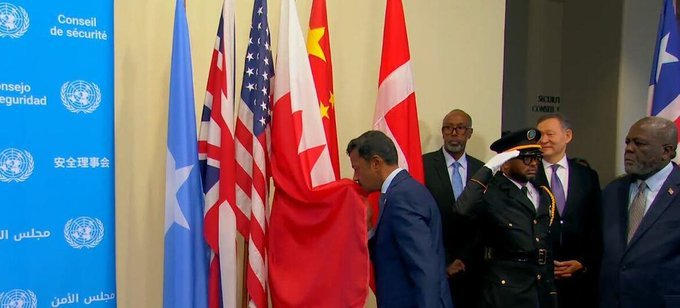
Following a flag installation ceremony at the UN headquarters in New York on January 2, 2026, these two nations—each having navigated profound domestic recoveries—now find themselves at the heart of global peace and security decision-making.
Joining other incoming members like Bahrain, Colombia, and Latvia, the DRC and Liberia represent a continental block committed to ensuring that African perspectives are prioritized in the face of rising global polarization.
Analysis: Priorities of Peace and Resource Sovereignty The presence of the DRC and Liberia on the Council is expected to shift the focus toward “African solutions to African problems.
” For the DRC, which returns to the Council for the first time in over 30 years, the primary agenda is the illegal exploitation of natural resources—a key driver of conflict in its eastern provinces.
Kinshasa intends to use its platform to demand international accountability for those fueling regional instability for mineral gain.
Liberia, serving for only the second time in its history, brings a unique perspective on post-conflict reconstruction and the importance of UN peacekeeping transitions. Together, they will act as crucial voices in mediating the ongoing crises in Sudan and the Sahel, while advocating for a reformed UN system that grants Africa a more permanent and influential role.
As the Council navigates the fallout from the Venezuelan crisis and Middle Eastern tensions, the DRC and Liberia will be the “penholders” for a continent that increasingly refuses to be a mere bystander in global affairs.
South Africa Calls for Urgent UN Security Council Session After U.S. Military Action in Venezuela