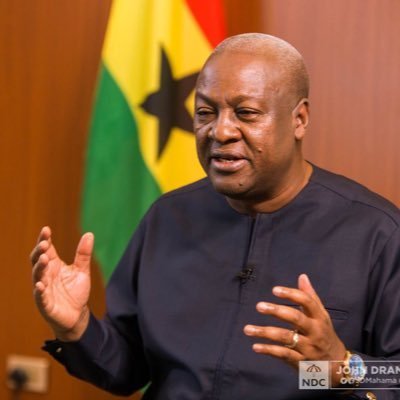
Ghanaian President John Dramani Mahama held important talks with an international delegation seeking reparations for transatlantic slavery and colonialism, urging the delegation to mobilize other African leaders to “choose courage over comfort” and support the growing reparations movement.
A statement released on Friday noted that the delegation, comprising experts from Africa, the Caribbean, Europe, Latin America, and the United States, presented Mahama with priority measures within the African Union’s reparations agenda.
In February, the African Union launched a campaign to establish a unified vision for reparations, including financial compensation, official acknowledgment of historical injustices, and policy reforms aimed at addressing the legacy of slavery and colonialism.
Historically, at least 12.5 million Africans were forcibly kidnapped and transported on European ships, subsequently sold into slavery between the 15th and 19th centuries. Human rights advocates emphasize the urgent need for measures to address the ongoing legacy of these atrocities, including combating contemporary racism.
While calls for reparations have intensified, the issue faces opposition from some European leaders who reject holding current nations and institutions accountable for historical wrongs. The delegation urged President Mahama to encourage civil society and African and diaspora communities to support reparative justice, emphasizing “support over indifference.”
The meetings also included Ghana’s Foreign Minister Samuel Okudzeto Ablakwa, along with Mahama’s envoy and a representative of the reparations movement, Ecoo Spayo Garbra.
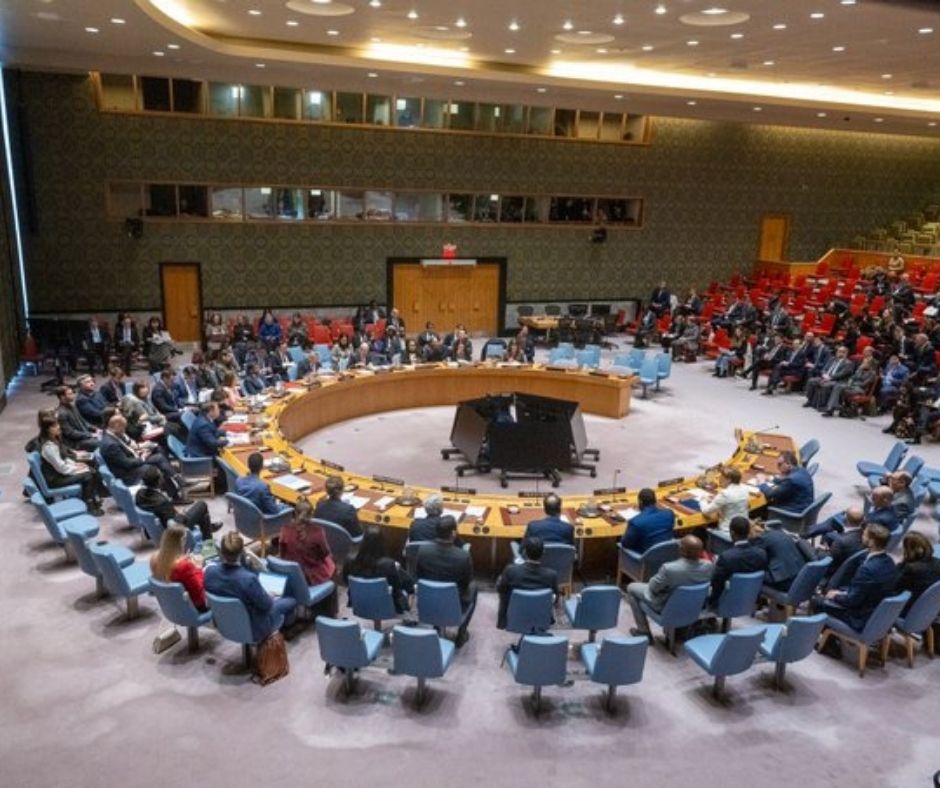
At a recent African Union-European Union Summit held in Luanda, Angola, the “indescribable suffering” caused by slavery and colonialism was acknowledged, although some nations only pledged formal protests without fully committing to actionable measures.
Additionally, Ghana’s Vice President, Jean Obukoo Agyemang, called on EU member states to support Ghana at the United Nations in recognizing slavery as one of the “gravest crimes against humanity.”
The United Nations Office of the High Commissioner for Human Rights (OHCHR) stressed the importance of advancing reparative justice for Africans and their descendants, through official apologies, truth disclosure, commemorations, psychosocial and medical support, and financial reparations.
UN High Commissioner for Human Rights, Volker Türk, noted that systemic racism is entrenched in the legacy of the past, and ensuring reparative justice requires a comprehensive approach that considers the links between past and present at both individual and community levels, with particular attention to the experiences of women of African descent.
The report highlighted the necessity for Africans and their descendants to be actively involved in designing and implementing reparative measures, ensuring inclusivity and credibility. It also emphasized the need for states to commit to combating racial injustice, acknowledge ongoing harm caused by past practices, protect anti-racism advocates, and promote reparative justice.
In this context, some countries and institutions have taken initiatives, including reviewing public spaces to identify, remove, or contextualize properties associated with slavery or colonialism, conducting historical research, issuing official apologies, supporting education for affected communities, establishing memorials, and recognizing the historical responsibilities of businesses and religious institutions through research, education programs, and grants.
Kwame Nkrumah … From the Struggle for Ghana’s Independence to the Dream of African Unity