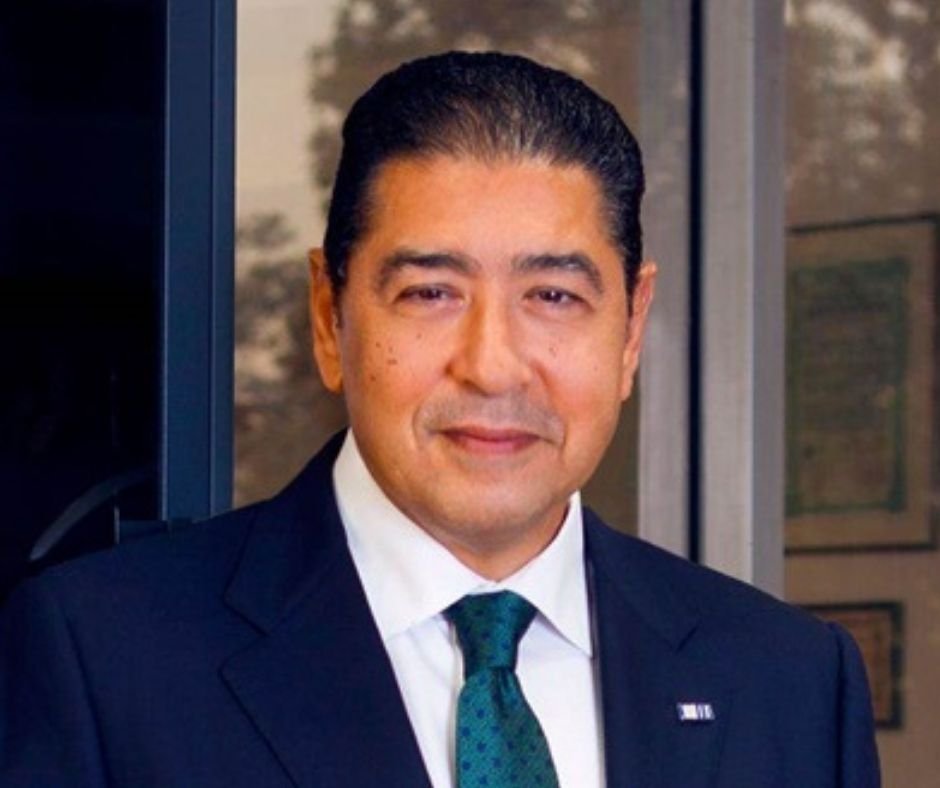
Amid the escalation of global crises and the growing overlap between geopolitical, financial, and technological shocks, Hisham Ezz Al-Arab, CEO of Commercial International Bank (CIB), affirmed that the banking sector in Egypt and across the Arab region has a strong capacity to withstand crises and adapt to severe economic fluctuations.
Speaking in an interview with CNBC Arabia on the sidelines of the World Economic Forum in Davos, Ezz Al-Arab explained that the experiences Egypt has gone through since 2011 have significantly strengthened the resilience of its banking system, noting that banks have long managed risks, liquidity, reserves, provisions, and capital buffers based on constant preparedness for worst-case scenarios.
Hard Experiences Have Built a Stronger Banking Sector
Ezz Al-Arab stressed that Egypt has faced successive crises more intense than those experienced by many other countries, which has enhanced the banking sector’s ability to manage shocks. He said: “There is a well-known saying: what does not kill you makes you stronger. That is exactly what happened. The sector went through severe tests and emerged stronger and more capable of coping with future challenges.”
On how to assess whether a banking system or an individual bank has become resilient, Ezz Al-Arab emphasized that financial indicators and profits alone are insufficient. He explained that forward-looking vision, the ability to make swift decisions, and the continuity of financing economic activity are key factors in measuring institutional strength.
He added that banks should not be evaluated solely on their ability to generate shareholder returns, but also on their contribution to economic and social development. While profitability remains essential to building a strong capital base and enabling growth, it should be assessed alongside sustainable growth rates and the institution’s broader impact on the economy and society.
“The Grand Swap” Debate and Misdiagnosing the Debt Problem
Addressing the controversy surrounding what has been described as the “grand swap” proposal to resolve Egypt’s debt crisis, Ezz Al-Arab argued that framing the issue in this manner reflects a fundamental misdiagnosis of the problem. He explained that comparing Egypt’s situation to that of the United States during the 2008 financial crisis is inaccurate, as the US dollar is a global trade and reserve currency, whereas the Egyptian pound is a local currency.
He pointed out that Egypt has recently emerged from a severe inflationary wave that exceeded 30% and could have escalated into hyperinflation, had it not been for the Central Bank of Egypt’s ability to control excess liquidity and restore monetary stability.
The Core Issue Is Weak Revenues, Not Debt Size
Ezz Al-Arab highlighted that public debate often focuses on the size of public debt and debt-servicing costs, while overlooking the revenue side of the equation. He noted that Egypt’s state revenues as a percentage of GDP are among the lowest when compared with other emerging markets.
He explained that the debt-to-GDP ratio has declined from over 100% to around 80%, with government plans to reduce it further to below 70%. However, he stressed that the most important metric is the state’s ability to service its debt through actual revenues.
Ezz Al-Arab also criticized the absence of a fully consolidated single government account, explaining that a significant portion of revenues generated by economic authorities does not flow directly to the Ministry of Finance, while the ministry bears full responsibility for public debt. This, he said, distorts the true picture of government revenues.
Tax System Reform Is a Key Priority
The CIB CEO called for a comprehensive overhaul of the tax system to ensure that all economic activities are subject to fair taxation. He pointed out that certain activities, such as land trading, are not taxed on actual profits, which undermines tax equity.
He stressed that addressing the debt challenge must begin with increasing state revenues and reforming the fiscal and accounting frameworks before resorting to unconventional debt-reduction proposals.
Banks’ Profits Do Not Come from Government Debt
Responding to claims that banks primarily profit from investing in government debt, Ezz Al-Arab said this perception is inaccurate. He noted that the loan-to-deposit ratio at Commercial International Bank exceeds 70%, indicating that lending and core banking activities are the main drivers of profitability, not returns on government securities.
Optimistic Outlook for 2026
Concluding the interview, Ezz Al-Arab expressed strong optimism about Egypt’s economic outlook in 2026. He attributed this optimism to the Central Bank’s success in curbing inflation, stabilizing the exchange rate, ensuring the availability of foreign currency, and the anticipated gradual decline in interest rates to more reasonable levels by the end of the year.
He emphasized that easing the burden of domestic debt without compromising depositors’ funds or investor confidence requires a comprehensive approach, starting with a clear and accurate understanding of total state revenues and ensuring their full consolidation before making decisions related to debt management.
Economic Report: Resilient Growth in Africa Despite a Weaker Dollar and Falling Oil Prices