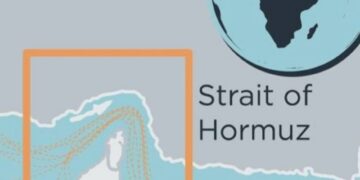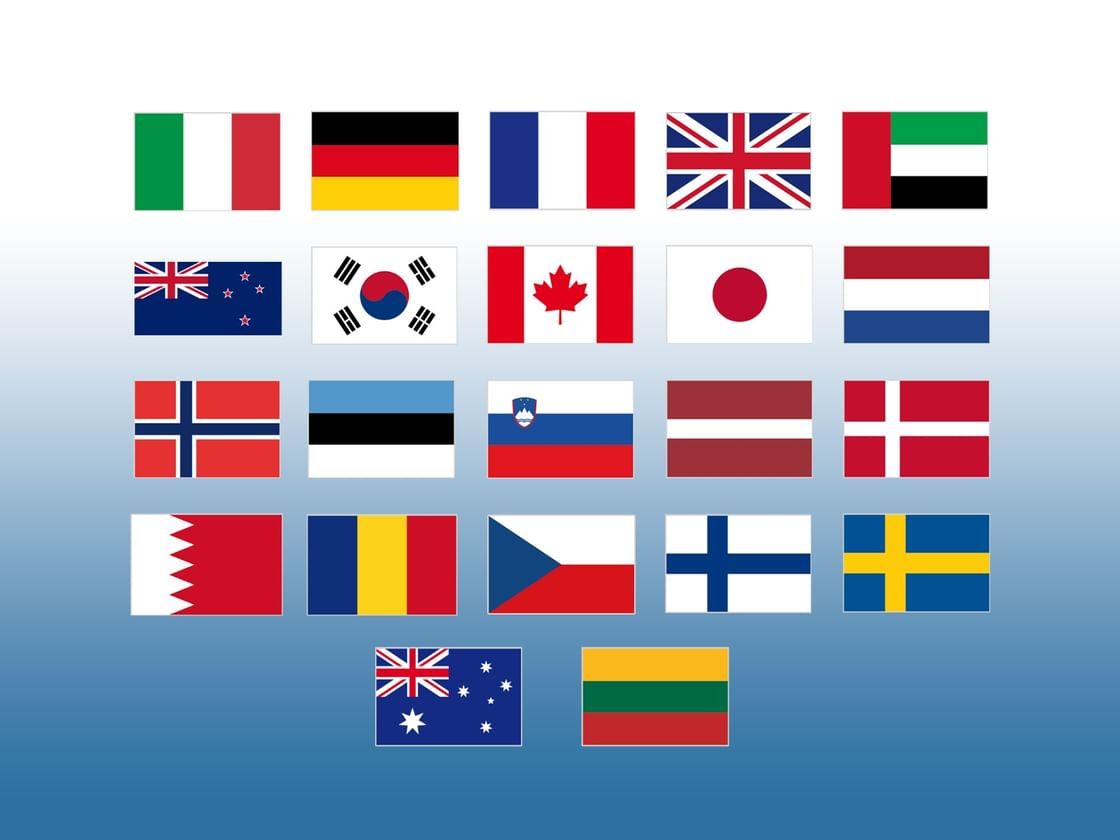
As the conflict in the Middle East continues to shadow the world’s most vital maritime arteries, a coalition of twenty-two nations has stepped forward to address the de facto closure of the Strait of Hormuz. This collective, comprising mostly European states alongside regional partners like the UAE and Bahrain, issued a joint statement this Saturday expressing a readiness to secure the passage of commercial vessels through a waterway that normally carries twenty percent of the planet’s oil and gas.
The social impact of this maritime standoff is felt far beyond the Gulf. With cargo ship crossings plummeting by ninety-five percent since the onset of the war on February 28, the world is witnessing a surge in energy prices that directly affects the daily lives of billions. This is not merely a military logjam; it is a social woe that threatens the warmth of homes and the stability of markets from Asia to the West. The coalition’s move aims to restore a sense of “Logos” to international trade, condemning the targeting of commercial infrastructure that has left the global economy in a state of breathless uncertainty.
From the vantage point of Tehran, the restrictions in the Strait are framed as a defensive necessity. Following a series of strikes on Iranian civilian energy installations, the new Supreme Leader, Mojtaba Khamenei, has identified Hormuz as a primary shield against external aggression. Foreign Minister Abbas Araghchi has maintained that the Strait remains “open” to those not aligned with the offensive, creating a selective and controlled environment that challenges traditional notions of freedom of navigation.
This strategic use of the Strait has turned it into a laboratory of geopolitical leverage. Reports suggest that Iran is currently negotiating with eight countries to allow passage on the condition that oil is traded in Chinese yuan—a shift that could fundamentally alter the global financial hierarchy and the social structures that rely on the established dominance of the dollar.
While nations debate the legality of maritime blockades, the common young pain of the global citizen remains the rising cost of existence. The shadow of 50,000 US troops in the region and the deployment of additional amphibious assault ships provide a stark backdrop to a crisis that is increasingly moving from the sea to the dinner table.
Hormuz Deadlock: UN Demands Safe Passage Amid Spiraling Costs and Supply Risks