Nigerian Cities Rise and Cotonou Breaks into the Top Three
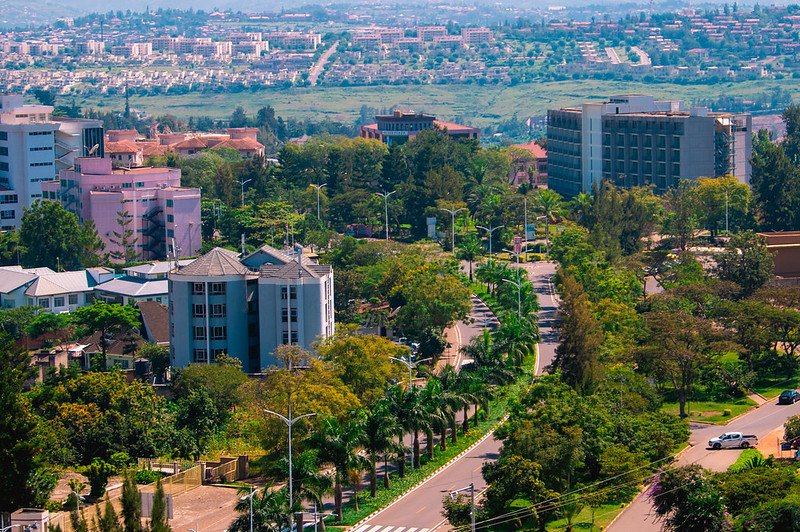
Kigali has once again secured its position as Africa’s cleanest city, maintaining first place in the 2025 ranking of the continent’s cleanest and most attractive metropolitan areas. Rabat follows closely in second place, mirroring last year’s results and reinforcing the sustained efforts of both cities in urban cleanliness and effective municipal management.
The 2025 edition of the ranking, which evaluates the 30 most attractive cities in Africa and from which the cleanliness index is derived, reflects notable methodological updates compared to previous years. The survey expanded its geographic scope by including new cities such as Tangier, Marrakech, Pretoria, Mombasa, and Dar es Salaam. It also relied on a significantly larger and more diverse pool of respondents, with participation rising from 1,918 in 2024 to 7,877 in the latest edition. Additionally, the demographic profile of respondents evolved, contributing to a broader and more representative assessment of urban attractiveness and cleanliness across the continent.
Despite these changes, most cities experienced limited movement in the rankings. This relative stability highlights a fundamental reality: urban cleanliness is the outcome of long-term, multi-layered policies rather than short-term interventions. Investments in sanitation infrastructure, the establishment of efficient and accountable governance systems, public awareness and education campaigns, and the consistent enforcement of environmental regulations all play a decisive role in shaping a city’s cleanliness over time.
However, the 2025 ranking also reveals some significant shifts. Six newly surveyed metropolitan areas entered the list, several of them at high positions. Morocco, in particular, stood out, with Tangier debuting in fourth place and Marrakech securing fifth, underscoring the country’s growing focus on urban management and environmental standards.
Nigeria emerged as another key highlight of this year’s ranking. Abuja recorded one of the most notable jumps, climbing eight positions from 14th to sixth place, while Lagos also improved its standing, moving from 27th to 21st. These gains suggest gradual progress in addressing long-standing urban challenges in Africa’s most populous nation, especially in waste management and city governance.
One of the most striking success stories, however, is Cotonou. The economic capital of Benin, which ranked sixth last year, has now risen to third place, establishing itself among Africa’s cleanest cities. Cotonou’s advancement reflects a combination of sustained investment in sanitation, effective municipal oversight, and policies that emphasize both regulation and public engagement. Its performance demonstrates how coordinated and persistent efforts can deliver tangible improvements in urban cleanliness.
Overall, the 2025 ranking paints a nuanced picture of African cities: while long-established leaders like Kigali and Rabat continue to set the benchmark, emerging success stories in West and North Africa show that progress is achievable when cleanliness is treated as a strategic, long-term priority rather than a short-term campaign.
Addis Ababa Tops Africa’s Most Expensive Cities to Live in 2025