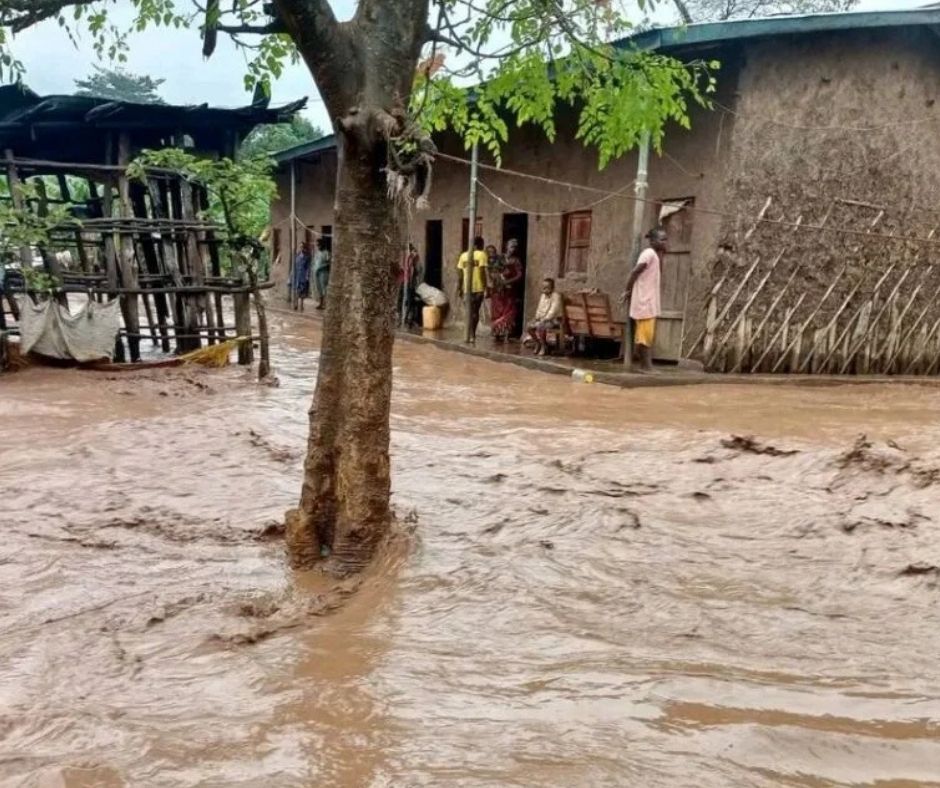
The highlands of Ethiopia’s Gamo Zone have become the latest epicenter of a growing environmental crisis, with local officials reporting to the press on Tuesday that at least 30 people lost their lives. According to official statements from the Gamo Zone administration, torrential rains triggered catastrophic landslides and flash floods, highlighting a grim pattern of extreme weather that is increasingly defining the geography of the region.
The Anatomy of a Disaster
For two consecutive days, the town of Arba Minch and its surrounding districts were battered by relentless downpours. Authorities reported through regional news outlets that the saturated slopes of the highland areas eventually gave way, burying homes under tons of mud.
Regional Governor Tilahun Kebede, in a formal statement released via his official Facebook page late Tuesday, expressed “deep sorrow” over the loss of life. Kebede emphasized that the regional government is prioritizing emergency response in the highlands where the terrain remains most unstable. Emergency teams monitoring the situation confirmed that mudslides have already severed key transportation arteries and destroyed several bridges.
A Regional Crisis: Beyond Ethiopia’s Borders
The tragedy in the Gamo Zone is part of a broader regional catastrophe. Reports from neighboring Kenya indicate that dozens more have perished in recent days due to similar flooding. This synchronized devastation, as noted by regional weather monitors, suggests a shift in the intensity of storms across East Africa.
Officials have issued urgent warnings for residents to remain vigilant, as meteorological forecasts cited by the government predict that further flooding remains a high probability. The immediate impact on infrastructure and farmland poses a secondary threat to food security in the Horn of Africa.
The Climate Change Connection
Scientists and environmental researchers are pointing to a clear culprit. Numerous studies documented over the past two decades show a disturbing rise in both “extreme wet spells” and prolonged dry periods across East Africa.
Scientists frequently cited in regional environmental impact reports caution that human-driven climate change is making these severe weather events more frequent and more severe. The current disaster mirrors the tragic events in the neighboring Geze Gofa Zone, where official records show over 229 people, including rescuers, were killed by a massive landslide earlier this year.
read more