Machel Era: A Revolutionary Blueprint for Mozambican Sovereignty and African liberation

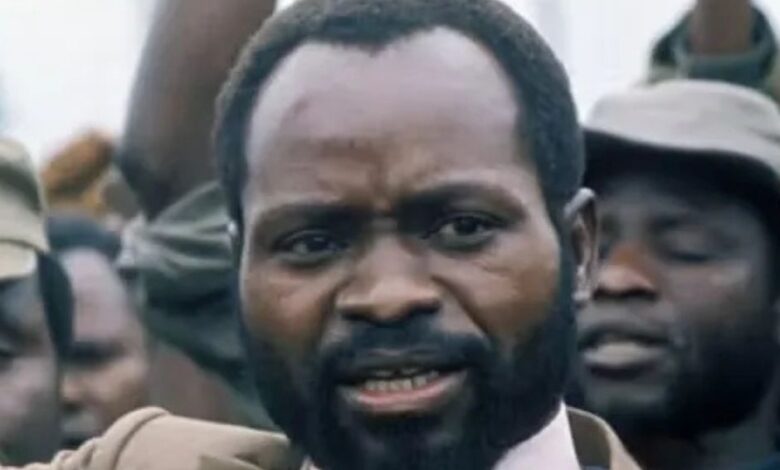
Samora Moisés Machel stands as a towering figure in the annals of African liberation, a leader whose vision transformed Mozambique from a fractured Portuguese colony into a defiant, sovereign socialist state. Born in 1933 in the village of Chilembene, Machel’s early consciousness was forged in the crucible of colonial oppression.
As a member of a farming family classified under the restrictive indigenous status, he witnessed firsthand the systemic land seizures and labor exploitation that characterized Portuguese rule. His transition from a dedicated medical professional at Miguel Bombarda Hospital to a revolutionary icon was catalyzed by personal tragedy and a profound sense of national duty.
After joining the Mozambique Liberation Front (FRELIMO) in 1963, Machel quickly demonstrated a rare synthesis of military brilliance and political acumen, eventually leading the guerrilla struggle to a triumphant conclusion and becoming the nation’s first president in 1975.
Upon taking the oath of office, Machel launched an ambitious and radical program of national reconstruction designed to erase the scars of five centuries of colonialism.
Central to his “Nasserist-inspired” governance was the immediate nationalization of all land and natural resources, ensuring that the country’s wealth belonged to its people rather than foreign interests. His administration’s most significant achievements lay in the social sector; within weeks of independence, he abolished private healthcare and education, replacing them with a universal state system that prioritized the rural poor.
The nationwide literacy campaigns he spearheaded were nothing short of miraculous, slashing illiteracy rates from over 90% and empowering a generation of Mozambicans to participate in the building of their new republic. For Machel, education and health were not mere services but the essential pillars of a truly liberated African soul.
Strategically, Machel’s Mozambique became a frontline fortress against the apartheid regime in South Africa, providing sanctuary and support to liberation movements across the region.
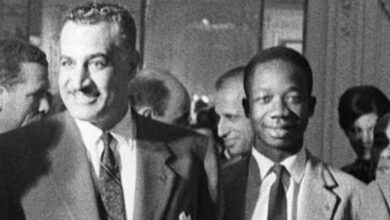
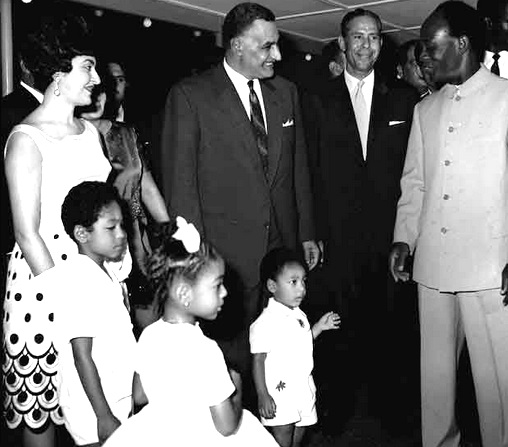
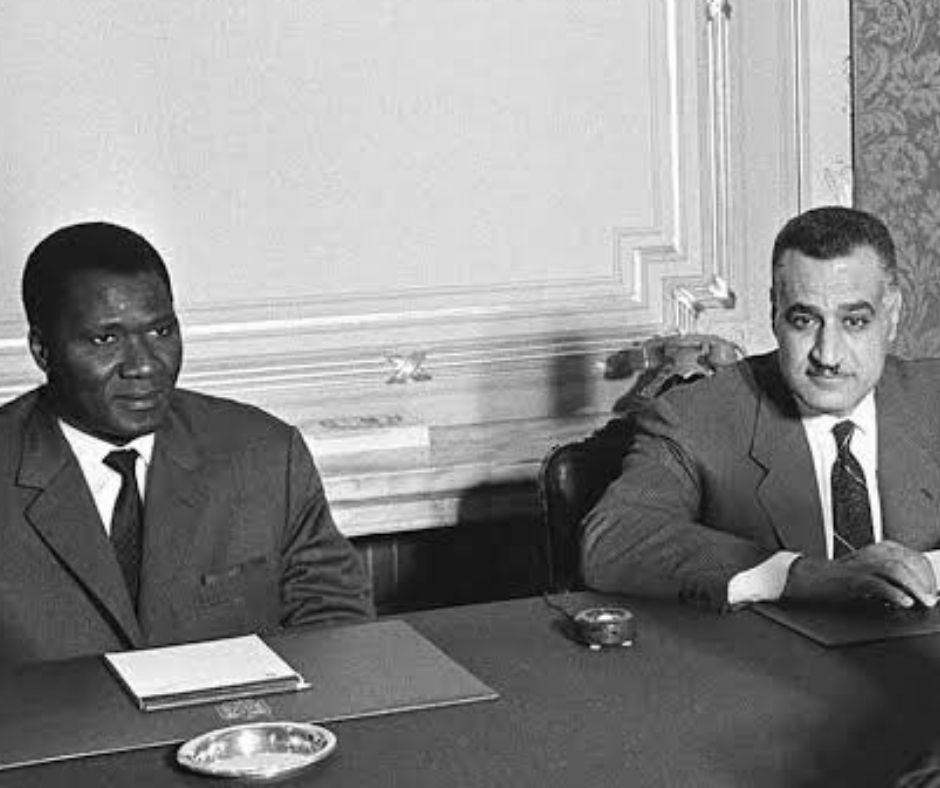
This unwavering commitment to Pan-African solidarity was mirrored in his deep diplomatic ties with Egypt, which served as the first Arab nation to recognize Mozambique’s independence.
The collaboration between Cairo and Maputo reflected a shared belief in state-led development and technical self-reliance. Machel’s decision in 1977 to formalize FRELIMO as a Marxist-Leninist party was a tactical move to embed social justice into the very machinery of the state, ensuring that the redistribution of wealth remained a permanent fixture of Mozambican policy.
Despite the external pressures of the Cold War and regional destabilization, his leadership remained a beacon of integrity and revolutionary discipline.
The tragic conclusion of Machel’s life in a 1986 plane crash in the Lebombo Mountains sent shockwaves throughout the international community and remains a subject of intense historical scrutiny. However, the physical absence of the man did little to diminish the potency of his ideas.
Today, his legacy is immortalized in the statues that grace Maputo and the institutions that bear his name, symbolizing a “Founding Father” who never wavered in his quest for justice.
As Mozambique navigates the complexities of modern governance, the Machel era continues to serve as a vital reference point for national identity and sovereign pride. His life remains a testament to the idea that true independence is not merely the lowering of a colonial flag, but the continuous and arduous process of uplifting the human spirit and reclaiming a nation’s destiny.
read more
Gamal Abdel Nasser: Liberation Icon and Architect of African Sovereignty