Era of Mineral Revolution : Value-Add Mandates.. Zimbabwe and Namibia Shatter the ‘Rentier’ Economic Model

African mining giants are enforcing radical “In-Country Processing” laws this morning, banning the export of raw lithium and rare-earth minerals. This policy shift forces global tech conglomerates to build refineries on African soil, signaling a transition from resource extraction to industrial sovereignty that is projected to double the continent’s manufacturing GDP by 2030.
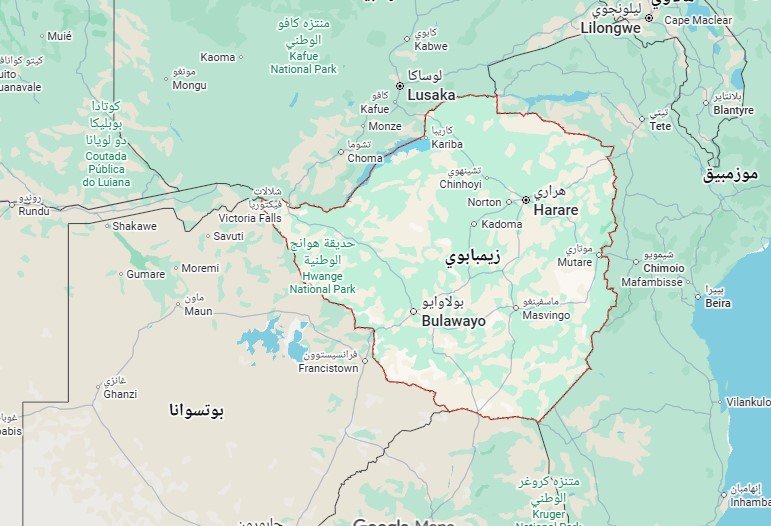
The era of shipping raw African soil to overseas factories is officially over , the governments of Zimbabwe and Namibia implemented the “2026 Mineral Sovereignty Act,” a move that has sent shockwaves through the global EV (Electric Vehicle) supply chain.
By requiring that at least 50% of mineral refinement occurs locally, these nations are dismantling the colonial-era economic structures that have long hindered African industrialization.
Economic analysts observe that this “Value-Add Revolution” is backed by the newly operational African Continental Free Trade Area (AfCFTA) digital payment system. This allows for seamless intra-African trade in processed goods, reducing reliance on the US Dollar.
While global markets reacted with price volatility, African leaders remain firm: “The minerals belong to the people, but the profits must stay in our cities.”
This shift is not without its challenges. The energy infrastructure required to power these new refineries remains a bottleneck.
However, a surge in “Green Hydrogen” investments in Namibia is already filling the gap. For the global investor, the message is clear: To access Africa’s “Green Gold,” you must bring technology and infrastructure, not just cash.
Economic Report: Resilient Growth in Africa Despite a Weaker Dollar and Falling Oil Prices