In a stunning escalation that underscores Uganda’s fractured political landscape, more than 100 supporters of the nation’s principal opposition party were charged with a slate of offences, including unlawful assembly, in connection with clashes that erupted in the wake of last week’s vote.
Court documents and opposition officials reveal a crackdown that comes as President Yoweri Museveni—at 81, the veteran ruler—festooned his decades-long grip on power with a sweeping victory, claiming 71.6 percent of the ballot against Bobi Wine’s 24 percent.
In power since 1986 and currently Africa’s third longest-ruling head of state, Museveni’s latest win means he will have been in power for nearly half a century when his new term ends in 2031.
In a video on NTV Uganda on Monday night Wine accused police of vandalising his home and said leaving his residence would free him “to speak to the world.” He did not disclose his location.
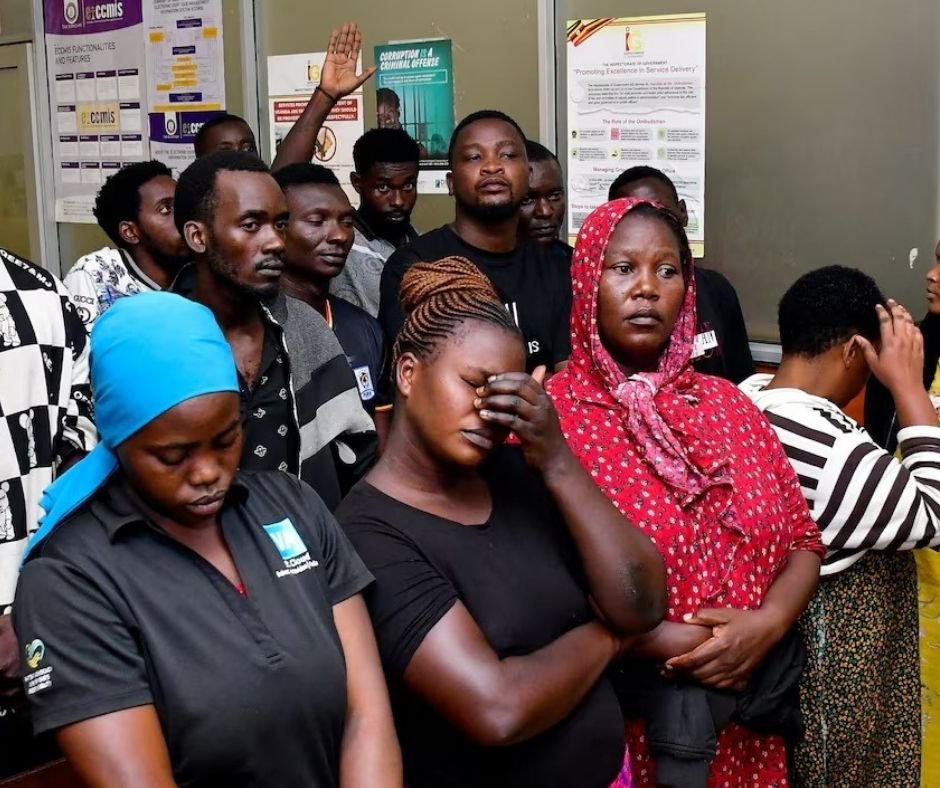
At least 118 members of the NUP were taken to various courts in the capital Kampala on Monday and charged with offences including unlawful assembly, conspiracy and unlawful possession of election materials, NUP lawyer Kato Tumusiime told Reuters and court documents showed.
David Rubongoya, NUP’s secretary general, denied their supporters were involved in violent activity.
“Majority of them were polling agents, they even had their letters confirming that they are polling agents of NUP, they were targeted, arrested violently,” Rubongoya told local broadcaster NTV Uganda late on Monday.
Scattered protests broke out around the capital on Saturday shortly after the electoral body declared Museveni the winner, although they were quickly quashed by police using teargas and detentions. Ahead of voting, the U.N. Human Rights Office accused Uganda’s military and police of using live ammunition to disperse peaceful rallies, carrying arbitrary detentions and abduction of opposition supporters.
The charges against more than a hundred of Wine’s supporters come amid a broader international and domestic reckoning over Uganda’s electoral processes, transparency, and the state’s posture toward dissent.
As Kampala breathes, the opposition contends that the vote was stained by irregularities that undermined the will of a significant segment of the electorate, while the government defends the integrity of the results.
The situation remains fluid, with legal filings, security statements, and political maneuvering likely to shape Uganda’s trajectory in the days ahead.
Officials from both sides offer starkly contrasting narratives as observers monitor for further developments surrounding the post-election landscape.
Museveni takes strong lead in early results of Uganda presidential race