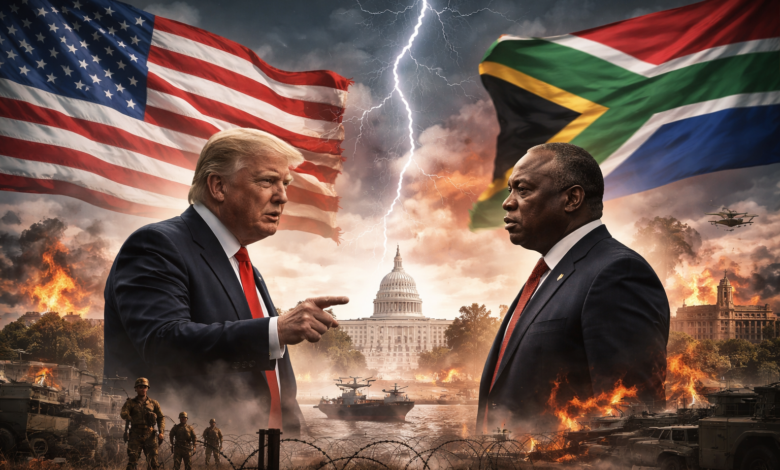
The second term of the Trump administration has introduced a sharply divided immigration approach that is reshaping diplomatic relations and drawing widespread international attention, Under the renewed “America First” policy framework, the US has intensified deportations of undocumented migrants to several African countries, including Ghana, Uganda, and Eswatini. At the same time, it has established a highly selective pathway for a distinct group of refugees.
Since October 2025, the United States has admitted 4,499 refugees, according to data from the Refugee Processing Center. Remarkably, all but three of these individuals are South African nationals, predominantly white Afrikaners. This pattern has raised serious questions about the political and humanitarian criteria guiding U.S. refugee admissions.
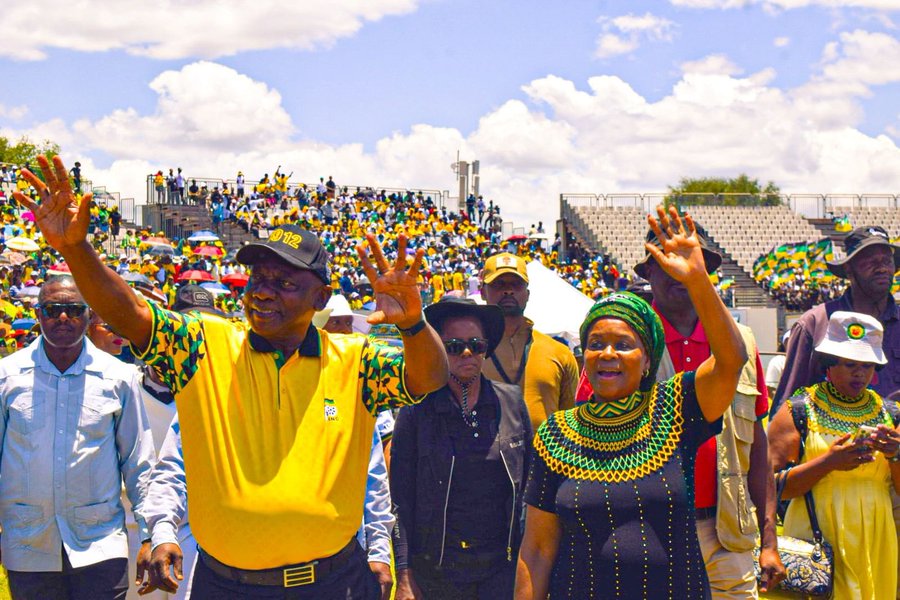
The administration justifies this selective intake by classifying Afrikaners as victims of what it describes as “illegal or unjust discrimination” and persecution in South Africa. This position has triggered a sharp diplomatic backlash from Pretoria. The South African government, led by President Cyril Ramaphosa, has firmly rejected these claims, accusing Washington of interfering in its domestic affairs and misrepresenting the country’s social and political realities.
Tensions escalated further following U.S. accusations regarding land expropriation policies and concerns over the safety of white farmers. These disputes contributed to high-level confrontations at the White House and were followed by punitive economic measures, including tariffs on South African imports rising to 30%.
The diplomatic fallout has extended well beyond rhetoric, significantly reshaping regional geopolitical dynamics. In a highly symbolic move, former President Donald Trump boycotted the G-20 summit hosted in South Africa. In response, Pretoria suspended its participation in the forum during the U.S. presidency in 2026, marking an unprecedented breakdown in multilateral cooperation.
Further aggravating tensions were reports of Iranian naval vessels participating in military exercises within South African waters—an development that Washington interpreted as a direct challenge to its strategic and maritime interests. Meanwhile, U.S. Ambassador Leo Brent Bozell III has warned that American “patience is losing its edge,” citing South Africa’s refusal to align with U.S. positions on certain political issues as a key point of concern.
Despite the strained relations, limited signs of diplomatic engagement have begun to emerge. The formal acceptance of Ambassador Bozell’s credentials in Pretoria suggests a cautious willingness on both sides to maintain channels of communication. However, the core dispute surrounding refugee classification and broader geopolitical alignment continues to dominate bilateral relations.
As the United States maintains its regional presence through drone surveillance and military training operations, the relationship between Washington and Pretoria remains defined by a complex balance of strategic cooperation, ideological divergence, and escalating political mistrust.
read more
“Islamabad Accord”: A Multi-Phase Blueprint to End the US-Iran Conflict