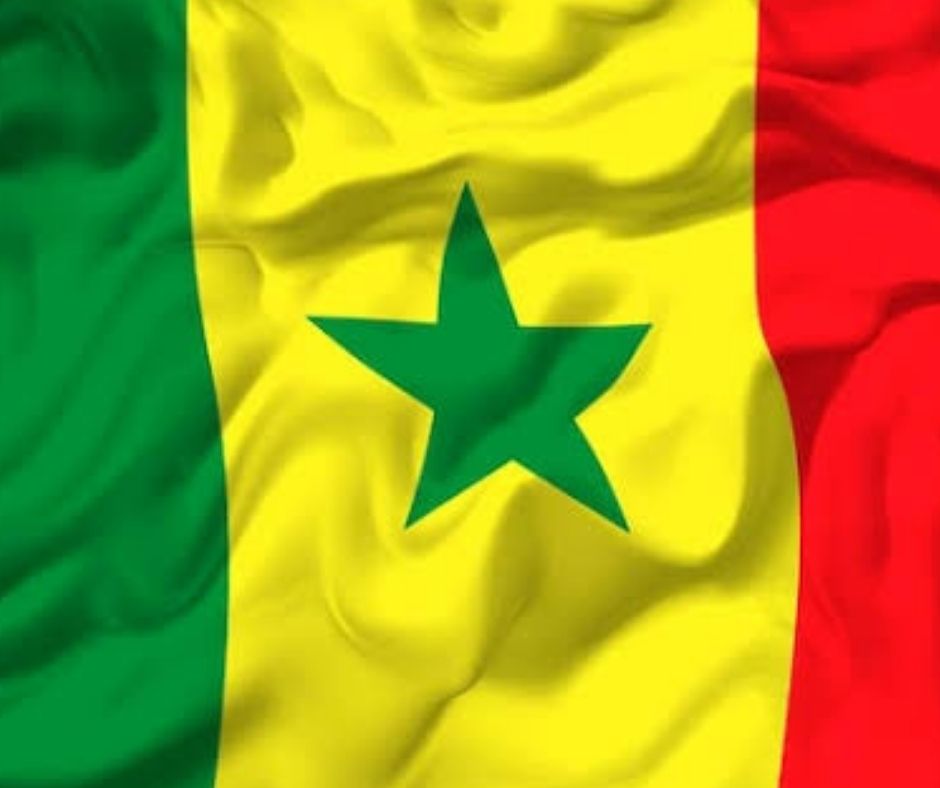
The legislative landscape in Senegal is witnessing a significant shift as lawmakers push for a stringent amendment to the country’s penal code. The proposed bill aims to double the maximum penalty for “unnatural acts,” increasing the potential prison time from five to 10 years. Senegal’s National Assembly late on Wednesday overwhelmingly passed a bill doubling the maximum prison term for same-sex sexual acts to 10 years and criminalising any efforts to promote homosexuality.
The law – passed by 135 votes to zero, with three abstentions – fulfils a campaign promise of the government that came to power in 2024, led by President Bassirou Diomaye Faye and Prime Minister Ousmane Sonko. It now awaits Faye’s signature. Senegal’s penal code already carried an article, last amended in 1966, imposing up to five years’ jail and fines of up to 1,500,000 CFA francs ($2,700) for “acts against nature”. The new version doubles the maximum term and allows for fines of up to 10 million CFA francs.
It says a judge may not grant a suspended sentence, or use their discretion to reduce a prison term below the minimum. It specifies that acts against nature relate to homosexuality, bisexuality, “transsexuality”, zoophilia and necrophilia. Those found guilty of promoting or financing such acts also face prison time.
Imam Babacar Sylla, leader of And Samm Jikko Yi, a network of Islamic and civil society organizations, urged Faye to sign the bill into law as soon as possible. “The longer it takes, the more complicated it will be. And these people, whom I consider a public danger, will continue to escape,” he said. In the weeks leading up to Wednesday’s vote, supporters of the bill, including lawmakers from the ruling Pastef party, organised demonstrations in Dakar in which participants shouted “No to homosexuality!” and held signs with rainbows crossed out. The period has also been marked by a surge in arrests of men on suspicion of “acts against nature” as well as, in some cases, “voluntary transmission” of HIV – a crime carrying up to 10 years in prison. Some 27 men were arrested between February 9 and 24, according to the International Federation for Human Rights. Last year, Burkina Faso passed a law criminalizing same-sex sexual relations for the first time, imposing prison terms of up to five years.
Lawmakers in Ghana are considering raising the maximum penalty for same-sex sexual acts from three years to five and imposing jail time for the “wilful promotion, sponsorship or support of LGBTQ+ activities”. ($1 = 560.5000 CFA francs) While the law is sometimes dormant, there have been periodic waves of arrests, often triggered by social media videos or public denunciations. Senegal is a country with strong religious foundations (roughly 95% Muslim and 5% Christian). There is widespread public opposition to LGBTQ+ rights.
The push for harsher penalties is largely driven by a coalition of religious and conservative groups. It comes at a time when political leaders are under pressure to align national laws with traditional and religious values. Religious leaders across different brotherhoods frequently speak out against homosexuality, viewing it as contrary to Senegalese cultural and religious values. High-level politicians, including former and current leadership, have consistently stated that Senegal is not ready to decriminalize same-sex relations, often citing the need to respect “national realities.”
read more :
U.S. Designates Sudan’s Muslim Brotherhood a Terrorist Organization