The expansion of the U.S.-Israeli military campaign against Iran has fundamentally altered the security calculus for American installations across the African continent. According to a recent situational analysis by The Africa Report, U.S. bases in Africa—most notably Camp Lemonnier in Djibouti—have emerged as primary targets for Iranian retaliation. As Washington grapples with a cycle of regional strikes, the strategic “rear” in Africa is now a frontline in a multi-continental war.
The Djibouti Flashpoint: A Sitting Duck?
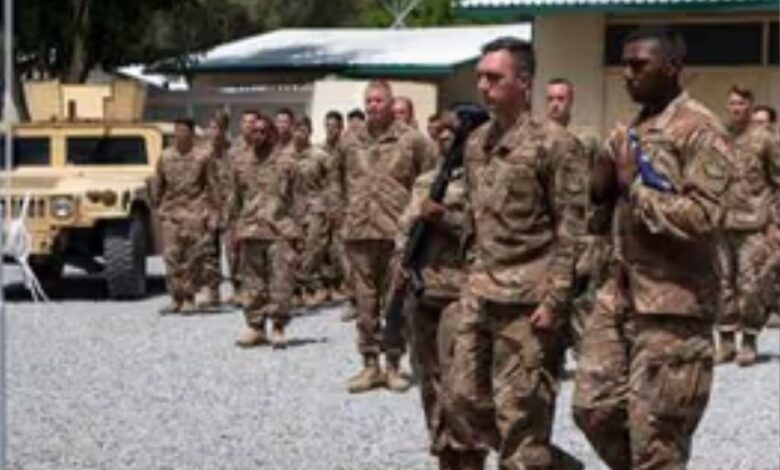
Camp Lemonnier, the only permanent U.S. military base in Africa, serves as the nerve center for AFRICOM’s operations. Its proximity to the Bab al-Mandab Strait makes it an indispensable asset, but as Reuters reports, it also places it within the strike radius of Iranian-aligned proxies. Intelligence suggests that the IRGC (Islamic Revolutionary Guard Corps) views Lemonnier as a symbolic target whose disruption would paralyze U.S.
counter-terrorism efforts across the Sahel
The threat is compounded by the presence of China’s first overseas naval base just miles away. Janes Defense analysts warn that any Iranian strike on Djibouti risks a catastrophic miscalculation involving Chinese assets, potentially dragging a second superpower into the fray.
Asymmetric Reach: The Proxy Network
Tehran’s retaliation strategy is expected to be asymmetric. In West and North Africa, Iranian diplomatic missions have long been monitored by Western Intelligence Agencies for laying the groundwork for “sleeper cells.” Security firms, including Control Risks, indicate that U.S. diplomatic staff in Kenya and Nigeria are already under heightened surveillance.
The most immediate kinetic threat comes from the Houthi movement in Yemen. Empowered by Iranian technology, the Houthis have demonstrated the capability to target land-based installations. The Associated Press notes that a coordinated drone attack on U.S. monitoring stations in Ethiopia or Niger would be a low-cost method for Iran to signal that no corner of the continent is safe.
Economic Fallout and African Neutrality
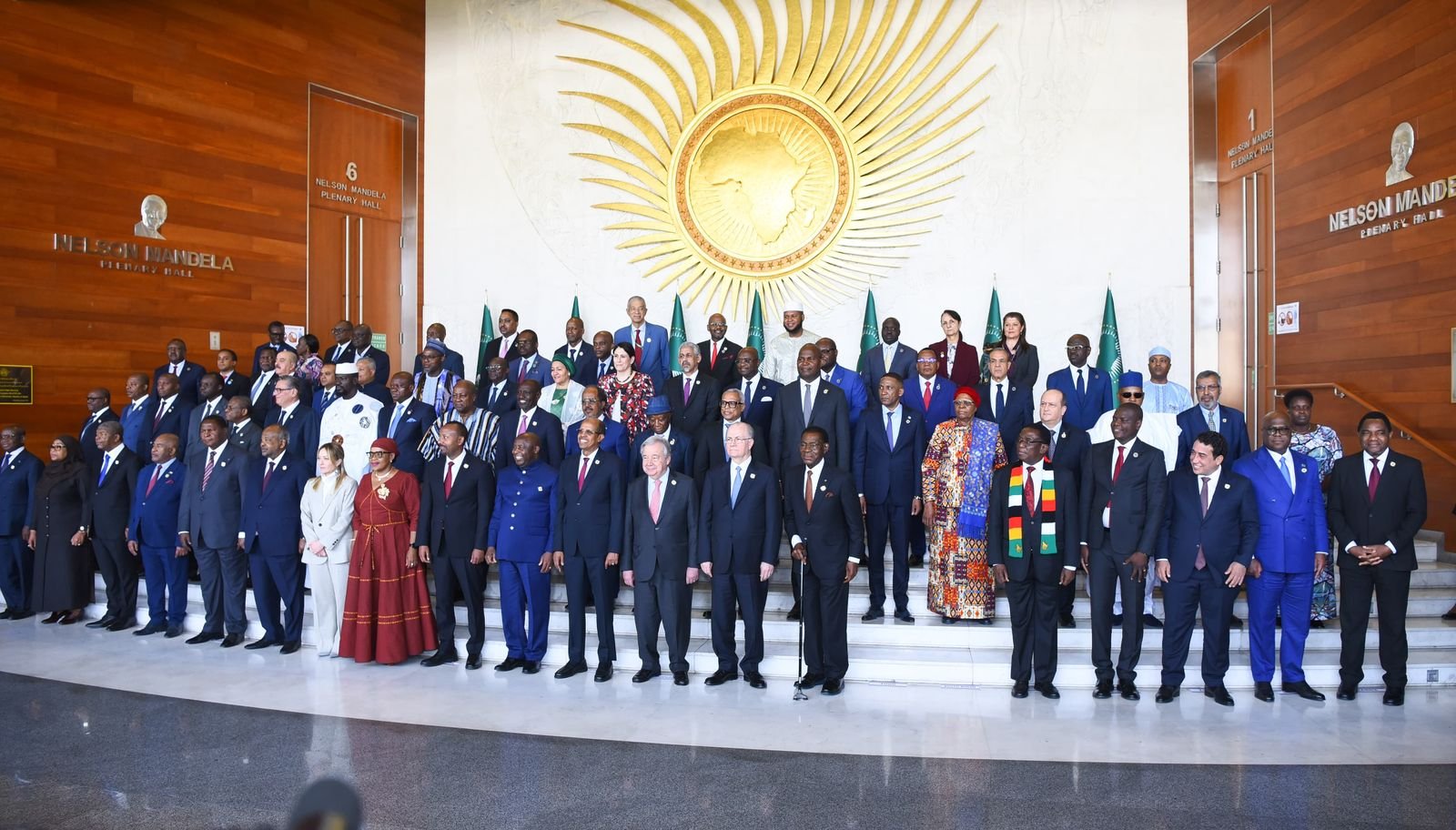
The African Union (AU) faces an existential diplomatic crisis. While many nations rely on U.S. security, the economic toll—marked by skyrocketing oil prices—is fueling anti-Western sentiment. Bloomberg Energy reports that Nigeria and Angola are struggling with refined fuel costs, leading to domestic unrest.
In South Africa, there is growing political pressure to “uninvite” U.S. military presence. If African states begin to perceive U.S. bases as “lightning rods” for Iranian missiles, Foreign Policy Magazine predicts that Washington may find its basing agreements revoked under the guise of national sovereignty.
The Forecast: A Continent Under Siege
The next 60 days are critical, Intelligence from The Institute for the Study of War (ISW) suggests that Iran is currently mapping “soft targets”—U.S.-funded NGOs and energy projects—that lack the heavy defenses of Camp Lemonnier.
There are three – pronged Iranian strategy
1. Kinetic Strikes: Direct drone or missile attacks on Djibouti and Red Sea monitoring stations.
2. Cyber Sabotage: Targeting African banking systems linked to Western investments, as flagged by Cybersecurity Ventures.
3. Political Decoupling: Leveraging economic pain to flip neutral African states against U.S. military presence.
read more
“Natanz Under Fire”: US and Israel Strike Iranian Nuclear Heart as Trump Weighs Covery Mission