The Decisive Hour: Hegseth Warns of Intensification as Tehran Threatens Global Tech Giants

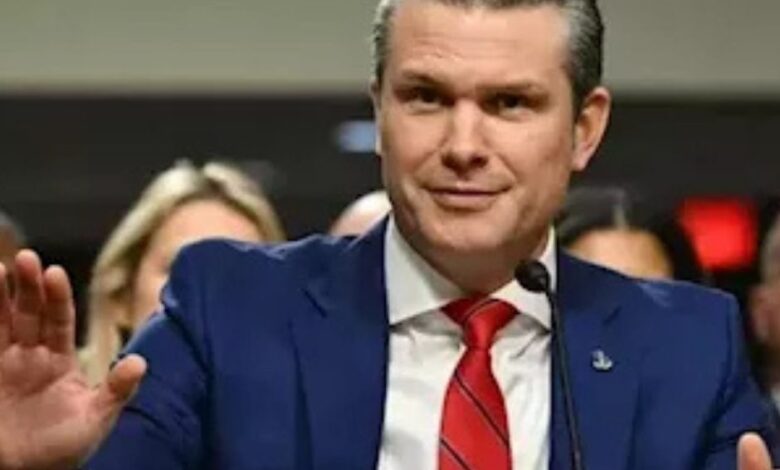
U.S. Defense Secretary Pete Hegseth issued a stark ultimatum to Tehran on Tuesday, declaring the coming days “decisive” in the month-long conflict with Iran.
Speaking from Washington following a weekend visit to U.S. troops in the Middle East, Hegseth warned that the United States is prepared to significantly escalate military operations if Iran continues to resist a peace deal.
“We have more and more options, and they have less,” Hegseth asserted, noting that a single month of kinetic operations has allowed the U.S. and its allies to dictate the terms of the engagement. “The upcoming days will be pivotal. Iran knows this, and there is almost nothing they can militarily do to alter this trajectory.”
Asymmetric Escalation and Corporate Targets
In a move that signals a shift from conventional military engagement to economic warfare, Iran’s Revolutionary Guards (IRGC) retaliated with a chilling new doctrine. The IRGC announced that starting Wednesday, they will target U.S. corporations operating within the region. In a deliberate attempt to rattle global markets, Tehran published a “hit list” of 18 major entities, including Silicon Valley titans Microsoft, Google, and Apple, along with industrial giants like Boeing, Intel, IBM, and Tesla.
This threat follows a series of aggressive maneuvers in the maritime domain. Earlier Tuesday, Iranian forces set ablaze a fully loaded oil tanker off the coast of Dubai—the latest in a string of attacks on merchant vessels in the Strait of Hormuz since the U.S.-Israeli offensive began on February 28. With the tanker capable of carrying two million barrels of crude, the incident sent shockwaves through energy markets, pushing oil prices toward a record monthly gain.
The “Energy Obliteration” Ultimatum
The rhetoric from the White House has been equally uncompromising. President Donald Trump reiterated his threat to “obliterate” Iran’s domestic energy infrastructure if Tehran refuses to reopen the Strait of Hormuz—a vital artery for global oil shipments currently under an effective Iranian blockade.
While Hegseth maintained that President Trump remains “willing to make a deal” and that diplomatic channels are “gaining strength,” the administration’s patience appears to be wearing thin. The President also took the opportunity to lash out at traditional NATO allies, specifically France and Britain, urging them to find “some delayed courage” to assist in securing the strait. This public friction highlights a deepening schism within the Western alliance, as Paris and Rome reportedly push back against certain U.S.-Israeli military maneuvers.
Economic and Political Stakes
As the conflict enters this critical phase, the domestic repercussions for the United States are mounting. Spiking crude prices are beginning to strain American household finances, creating a significant political liability for the Republican Party as the November midterm elections approach.
With thousands dead and the global economy teetering on the edge of a tailspin, the international community now watches the Strait of Hormuz. The next hours will determine whether the region moves toward a fragile truce or a catastrophic expansion of a war that has already redefined 21st-century geopolitics.
Read more
El-Sisi urges Trump to end Iran war, warns of severe global energy fallout