The Festival of Life: How the Eternal Legacy of Sham El-Nessim Bridges Egyptian Heritage and African Horizons

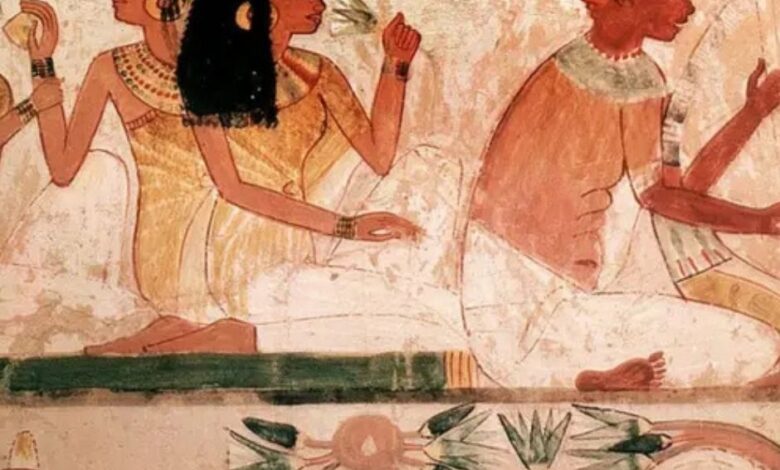
As the golden rays of the spring sun illuminate the banks of the Nile, a scent of salt, onions, and fresh greenery wafts through the air—a sensory signal that Sham El-Nessim has arrived. More than just a public holiday, this festival represents a 5,000-year-old unbroken thread of human joy, celebrating the triumph of life over winter and light over darkness. In 2026, the celebration has evolved into a magnificent tapestry that connects Egypt’s Pharaonic roots with a broader African appreciation for the renewal of the Earth.
The Genesis of Joy: Pharaonic Origins
The origins of Sham El-Nessim, which literally translates to “Smelling the Breeze,” are deeply rooted in the agricultural and astronomical genius of Ancient Egypt, According to the Egyptian Ministry of Tourism and Antiquities, the festival was originally known as Shemu, a day marking the beginning of the harvest season and the spring equinox. Ancient Egyptians believed that this day coincided with the creation of the world.
History records from the Egyptian Museum suggest that the rituals practiced today are echoes of those performed by the builders of the pyramids. The “Great Offering” to the gods consisted of salted fish (Fesikh), lettuce, and onions—items that held symbolic weight. Onions were believed to ward off the “evil eye” and diseases, while the salted fish represented the abundance of the Nile.
Today, walking through the streets of Cairo or Luxor, one witnesses a nation still honoring these ancient culinary codes, a rare example of a living cultural continuity that has survived through Persian, Roman, and Islamic eras.
The Alchemy of the Table: Colors and Flavors
No Sham El-Nessim celebration is complete without the artistic tradition of coloring eggs. While many associate this with Western Easter, historical accounts from National Geographic’s archaeological archives suggest that Ancient Egyptians were among the first to use eggs as symbols of new life and the “unfolding of the universe.
” Families would dye eggs with natural pigments like turmeric for yellow and beetroot for red, often writing their wishes on the shells before hanging them in baskets from trees.
The culinary centerpiece remains Fesikh.
As noted by culinary historians at the American University in Cairo, the preparation of this fermented mullet fish is a specialized craft, passed down through generations. This tradition is a communal ritual where families gather in parks and gardens to share a meal that connects them to the very soil and water that sustained their ancestors.
The African Horizon: A Continent in Bloom
While Sham El-Nessim is uniquely Egyptian in its name, the spirit of celebrating the spring harvest and the “Coming of the Green” resonates deeply across various African nations. In 2026, the cultural exchange between Egypt and its neighbors highlights striking similarities in how the rebirth of nature is honored.
In Sudan, the celebration of “Shem El-Nessim” mirrors the Egyptian tradition closely due to the shared Nile heritage.
Families head to the riverbanks to enjoy the breeze, and according to the Sudanese Cultural Heritage Center, the day is marked by communal meals and outdoor festivities that emphasize the unity of the Nile Valley people.
Further west, in Algeria and Morocco, the celebration of Yennayer (the Amazigh New Year) serves as a parallel to the spirit of Sham El-Nessim. Anthropological studies by the African Union Cultural Commission highlight that these North African communities celebrate the agricultural cycle with “green meals” and outdoor gatherings designed to bring “Baraka” (blessing) to the land, much like the Egyptian devotion to the spring harvest.
In South Africa, the arrival of the spring season (though occurring later in the calendar year) is met with “Flower Festivals” and outdoor carnivals. Reports from the South African Tourism Board indicate that these celebrations, particularly in the Western Cape, emphasize a collective return to nature, where people gather in botanical gardens to celebrate the blooming of the Protea, reflecting the same universal African joy found in the gardens of Cairo during Sham El-Nessim.
Sham El-Nessim in 2026: A Modern Renaissance
In today’s Egypt, the festival has transcended religious and social boundaries, serving as a day of national unity. In 2026, modern celebrations have taken on an eco-friendly dimension. The Egyptian Environmental Affairs Agency has observed a surge in “Green Sham El-Nessim” initiatives, where youth groups organize tree-planting ceremonies alongside traditional picnics.
From the botanical gardens of Alexandria to the riverside parks of Aswan, the scene is one of vibrant energy. Children fly kites of every imaginable color, symbolizing the “breeze” they have come to smell, while traditional music fills the air. It is a day where the “Logos of Light” shines through the collective smile of a people who have celebrated the same sun for five millennia.
A Motto for the Season
The enduring appeal of Sham El-Nessim lies in its simplicity and its profound message of hope. It is a reminder that no matter how harsh the winter, the spring will always return, the Nile will always flow, and the human spirit will always find a reason to dance.
As the sun sets on another glorious Sham El-Nessim, the message remains clear: “Life is a blooming flower; let us smell the breeze of its beauty together.”
read more
Egypt Reaffirms Arab Unity and De-escalation Efforts in High-Level Talks with Iraqi Prime Minister