In a decisive diplomatic move aimed at salvaging Yemen’s precarious unity, Saudi Arabia has issued an urgent call for a comprehensive conference in Riyadh to bring together the nation’s fractured southern factions.
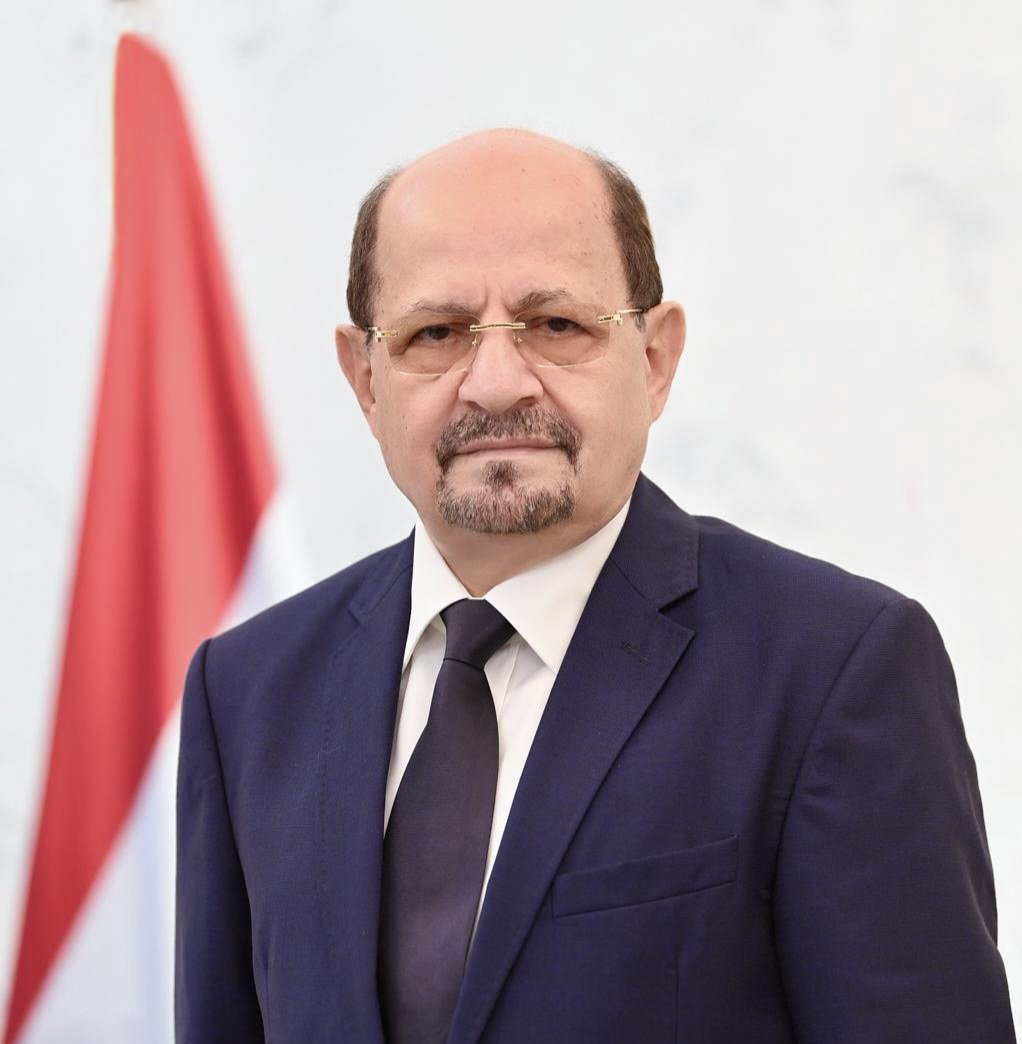
Yemeni Foreign Minister Shaya Mohsin Zindani hailed the initiative as a “pivotal political opportunity to correct the course,” coming on the heels of a dramatic military escalation and a surprise independence bid by the Southern Transitional Council (STC).
The conference, convened at the request of Rashad al-Alimi, head of the Presidential Leadership Council (PLC), seeks to replace the current cycle of inter-factional violence with an inclusive dialogue, establishing a unified vision for the “Southern Cause” within a broader political settlement.
The urgency of the Riyadh conference underscores the severe internal rupture within the anti-Houthi coalition. Following weeks of intense clashes—most notably in Hadramaut and the port city of Mukalla—the UAE-backed STC had moved to consolidate control over strategic territories, even announcing a two-year transitional phase toward southern independence. Riyadh’s intervention represents a bold attempt to de-escalate these tensions before they solidify into a permanent partition of the country. Minister Zindani characterized the move as a “responsible step,” framing the conference not merely as a talk shop, but as a platform for factions to formulate a “fair and unified position.”
By endorsing the southern issue as a “just cause” with deep historical roots, Saudi Arabia is attempting to bring separatists back into the fold of Yemeni legitimacy while neutralizing the threat of a secondary civil war in the south.
The initiative has garnered swift diplomatic support from the UAE, Qatar, and the OIC, all of whom underscored that constructive dialogue is the only viable path to preventing Yemen from sliding into total chaos.
if the Riyadh conference fails to bridge the gap between the PLC’s vision for a unified state and the STC’s aspirations for sovereignty, the resulting vacuum could permanently undermine the fight against Houthi rebels in the north.
For Washington and regional powers, the outcome of this summit will determine whether Yemen can move toward a sustainable peace or if it will remain a landscape of competing militias and fragmented fiefdoms. As the Foreign Minister warned, this is an initiative that the international community must support to ensure it does not become another “missed opportunity” in Yemen’s tragic history.