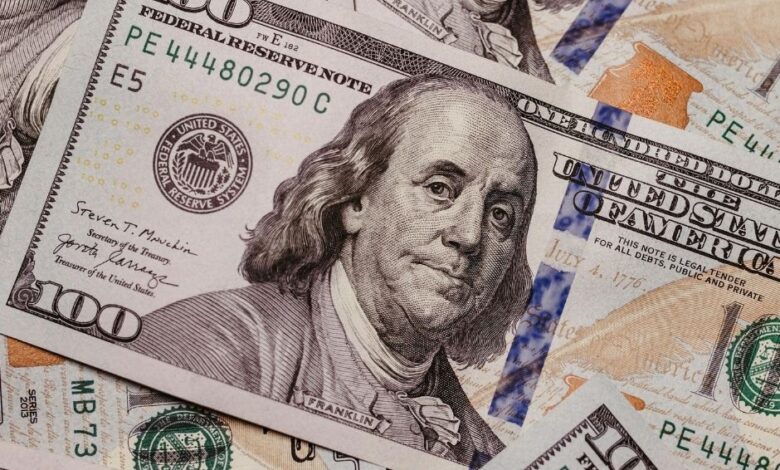
African economies are currently navigating a turbulent fiscal landscape as local currency depreciation serves as a primary catalyst for domestic inflation and diminished purchasing power. When a national currency weakens dramatically against the US dollar, it signals deep-seated economic pressures and heightened vulnerability to external shocks such as global inflation and geopolitical instability.
According to the Forbes currency calculator and market data for March 2026, the following ten nations possess the weakest currencies on the continent:
• (1) Sierra Leonean Leone (SLL): 22,282 per 1 US Dollar.
• (2) Guinean Franc (GNF): 8,765 per 1 US Dollar.
• (3) Malagasy Ariary (MGA): 4,600 per 1 US Dollar.
• (4) Ugandan Shilling (UGX): 3,598 per 1 US Dollar.
• (5) Burundian Franc (BIF): 2,964 per 1 US Dollar.
• (6) Tanzanian Shilling (TZS): 2,510 per 1 US Dollar.
• (7) Congolese Franc (CDF): 2,311 per 1 US Dollar.
• (8) Rwandan Franc (RWF): 1,470 per 1 US Dollar.
• (9) Malawian Kwacha (MWK): 1,350 per 1 US Dollar.
• (10) Nigerian Naira (NGN): 1,280 per 1 US Dollar.
Economic Context: Resilience Amidst Global Turbulence
In 2026, the African continent is navigating a period of cautious resilience with aggregate growth projected to reach approximately 4.0%. However, this progress is heavily contingent on managing the “triple threat” of debt, inflation, and structural reforms. While East Africa leads with growth nearing 5.8% due to infrastructure investments, Southern and West Africa face slower trajectories linked to energy crises and currency volatility.
The average public debt-to-GDP ratio has hovered around 63%, consuming nearly 15% of government revenues for interest payments and limiting the fiscal space for critical development. Despite these hurdles, the African Continental Free Trade Area (AfCFTA) remains a beacon of light, fostering intra-African trade and providing a natural hedge for local currencies. There is also a fundamental shift from aid-dependency toward attracting strategic investment in technology and critical minerals, positioning Africa as a vital partner in the global green transition.
Read more
Development :Cote d’Ivo.ire plans 20-bln-dollar investment by 2030