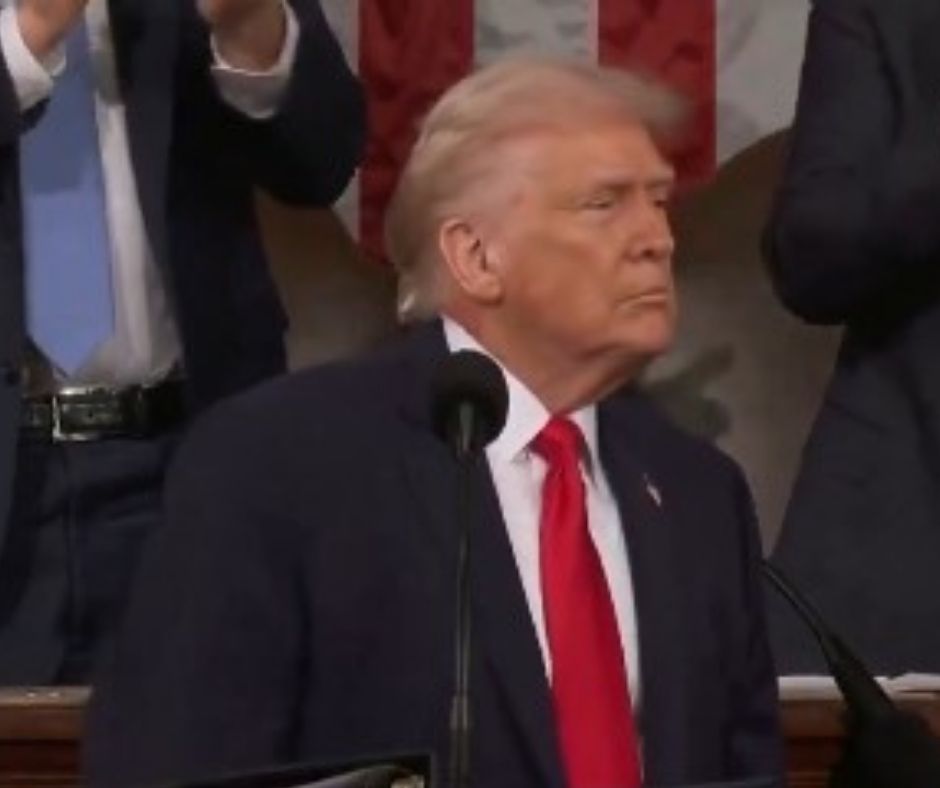
White House Proposes Record 1.5 Trillion Dollar Defense Budget Amid Domestic Contractions


The White House Office of Management and Budget has unveiled a 2027 fiscal proposal that signals a radical realignment of American federal priorities, placing military supremacy at the absolute center of the national agenda. In a move that redefines the scale of government spending, the administration is requesting a historic 1.5 trillion dollars for national defense.
This 44-percent surge follows the previously established one-trillion-dollar threshold, marking an unprecedented commitment to global military readiness and the modernization of the armed forces as the primary function of the federal executive.. To accommodate this massive expansion of the defense apparatus, the budget plan mandates a sharp retreat from domestic federal responsibilities.
Budget director Russell Vought outlined a vision of a leaner federal government, proposing a 10-percent cut to non-defense spending compared to 2026 levels. This contraction is not merely a fiscal adjustment but a philosophical shift toward “federalism,” where the administration intends to transfer the burden of social services—ranging from health care and day care to housing programs—directly to the individual states.
The President underscored this during a recent White House event, emphasizing that during times of global conflict, the federal government must prioritize “fighting wars” over domestic subsidies.
The impact of these proposed cuts reaches into nearly every corner of the American social and scientific landscape. The 2027 proposal includes significant reductions in funding for refugee resettlement aid, renewable energy initiatives, and university research grants.
By scaling back federal involvement in these sectors, the administration aims to “constrain” non-defense spending to historical lows, arguing that states are better equipped to manage and fund their own internal health and welfare infrastructures.
While the President’s annual budget serves as a definitive manifesto of the administration’s vision for the country, the ultimate authority over the federal purse remains with Congress. As this proposal heads to Capitol Hill, it sets the stage for a profound debate over the role of the United States on the world stage versus its obligations to its citizens at home.
The 2027 budget represents a clear choice: a future where the projection of military power takes precedence over the federal social safety net, demanding that states and local governments step in to fill the resulting void in public services.
read more
Trump Shakes NATO: Iran War Sparks Existential Fray in Transatlantic Alliance