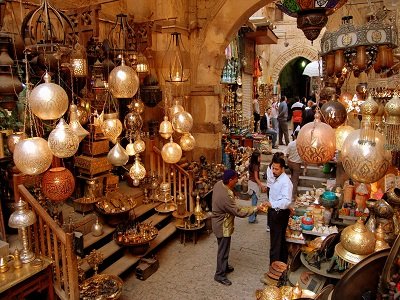
Cairo and Alexandria have topped the list of the five safest cities in Africa by the end of 2025, according to a recent ranking, reinforcing their status as attractive urban hubs for residents, investment, and tourism. The ranking reflects sustained efforts to enhance security and improve overall quality of life.
Business Insider reported that cities widely perceived as safe are quietly gaining a growing economic, social, and diplomatic advantage across Africa, a continent experiencing rapid urbanization.
Safety as a Strategic Asset
The magazine noted that in Africa’s safest cities, security is no longer merely a public service, but has evolved into a strategic asset that supports long-term growth, stability, and competitiveness.
Alexandria Ranks First, Cairo Third
Citing data from the Numbeo Index—a global database that compiles and analyzes information from businesses, government entities, and individuals to assess cost of living, safety, and quality of life—Business Insider reported that Alexandria ranked first in Africa among the continent’s safest commercial centers, while Cairo placed third.
According to the ranking, Tunis came in second place, followed by Casablanca in fourth, and Nairobi, Kenya’s capital, in fifth.
Boosting Investment and Market Stability
The report explained that safe cities help reduce uncertainty and strengthen market and investment stability, prompting investors to channel capital into environments with fewer risks and disruptions that could affect assets, labor, or business operations.
Companies operating in cities with strong law enforcement, low levels of violent crime, and effective municipal management are better positioned to engage in long-term planning without incurring high security costs. This trend is reflected in the growing number of regional headquarters, logistics hubs, financial service institutions, and technology startups choosing to establish themselves in Africa’s safest cities.
Lower Costs for Businesses
Business Insider also highlighted that in safer African cities, companies spend less on private security, insurance premiums, and risk mitigation measures. Supply chains move more smoothly, retail outlets operate for longer hours, and nighttime entertainment economies flourish without closures driven by security concerns.
For small and medium-sized enterprises (SMEs), this environment can be decisive. Lower operating costs allow businesses to reinvest in expansion, hire more workers, and foster innovation—supporting the broader urban economy.
Attracting Talent and Tourism
The magazine added that human capital follows safety, as skilled professionals—both locally and internationally—are more inclined to live and work in cities where personal security is not a daily concern.
Africa’s safest cities are also among the most attractive destinations for tourism, international conferences, and major events. Visitors feel more comfortable moving around, spending money, and returning for future trips, directly benefiting hotels, restaurants, transportation services, and cultural venues.