Is the Horn of Africa About to Burn Again? Why Tigrayans are Fleeing the Shadows of a Looming War

In the dead of night in Mekelle, the capital of Ethiopia’s Tigray region, the rhythmic sound of heavy boots has been replaced by the frantic shuffling of suitcases. Recent field reports and accounts from the ground describe dozens of young men, many of them former combatants, desperate to secure a seat on any bus heading south. Their destination is Addis Ababa, a city that represents a final sanctuary in a country where the map of peace is rapidly shrinking.
The Ghost of a Six-Hundred-Thousand-Death Toll
Testimonies from those on the move, such as Abel, a twenty-three-year-old veteran of the Tigrayan Defence Forces, exemplify the regional dread. Having survived the brutal civil war of 2020-2022—a conflict that killed at least six hundred thousand people—Abel’s decision to flee is born of a haunting clarity. “It’s not safe here anymore,” he noted, fearing that a fresh conflict is imminent and refusing to let the war catch up with him again.
While global attention remains fixed on the Middle East, another conflict is looming just across the Red Sea in the Horn of Africa. Reports from AFP and regional observers indicate that federal and Tigrayan forces are once again massing at their shared borders. The peace agreement that ended the previous civil war in 2022 was never properly implemented, leaving a volatile vacuum now filled by military mobilization.
A Region Under Encirclement
The physical signs of a collapsing economy are as evident as the military movements. Shortages of basic products are worsening, and the price of smuggled petrol at intersections has surged significantly in a matter of days. With federal authorities cutting subsidies for months and banks running out of cash, the region is facing severe economic strangulation.
Amanuel Assefa, a senior official within the Tigrayan People’s Liberation Front (TPLF), provided a grim assessment of the situation. He warned that Tigray is effectively being encircled by federal troops advancing from all corners of Ethiopia. According to his statement, a return to full-scale conflict appears to be a highly likely scenario.
Verbal Sparring and Drone Strikes
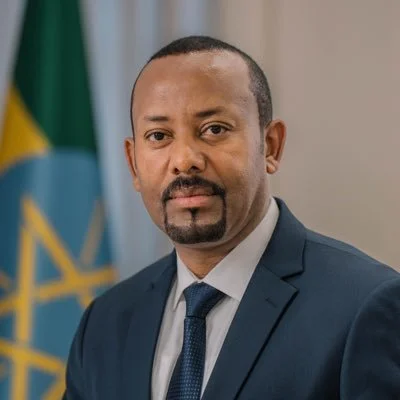
In an unusual move, Prime Minister Abiy Ahmed recently delivered a speech in Tigrinya, the local language, ostensibly to sue for peace. However, the message was double-edged; while he claimed he did not want war, he also accused the TPLF of refusing to make even small compromises and siphoning state funds to sustain its forces.
This verbal sparring has already been accompanied by violence. Late January saw brief clashes and drone strikes in the area, leading to the suspension of flights and further displacement. The geopolitical dimension has darkened with accusations of Eritrean meddling—this time allegedly backing Tigrayan forces—a claim that Eritrea denies but which adds another layer of instability to the Horn.
The Exodus of the Desperate
For the civilians remaining in towns like Chercher, located near the borders with the Afar and Amhara regions, the political maneuvering is secondary to survival. The sight of a destroyed tank on the roadside—a relic from the last war—serves as a somber reminder of what is at stake.
As hundreds flee every day toward the federal capital, the consensus among those on the ground is one of profound exhaustion. Unless a diplomatic breakthrough occurs, the fragile peace of 2022 may be remembered only as a brief intermission in an unending cycle of violence.
read more :