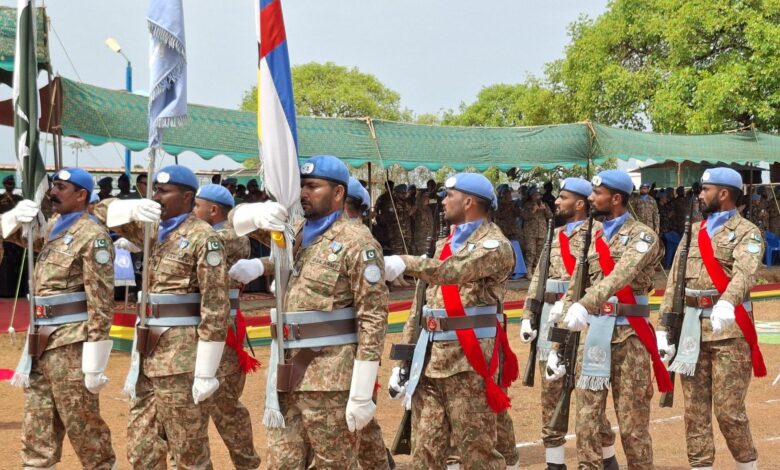
The United Nations Multidimensional Integrated Stabilization Mission in the Central African Republic (MINUSCA) has officially shuttered two strategic temporary operating bases in Mbrès and Dékoa, signaling a pivotal recalibration of the international peacekeeping footprint in the region. This move, far from a retreat, represents a structured evolution of the mission’s mandate, shifting from a static presence to a more agile, patrol-based security model. By transferring high-value infrastructure to the Central African defense and security forces, the UN is actively empowering state authorities to reclaim sovereign control over territories that were once caught in the crosshairs of volatility.
This handover is grounded in a documented improvement of local security conditions within the Nana-Grébizi and Kémo prefectures. The transition follows a rigorous assessment of the government’s growing capacity to maintain order, with formal agreements ensuring that local forces can effectively leverage the vacated facilities to sustain operational continuity. While the physical bases are closing, MINUSCA’s commitment remains steadfast; the mission will continue to secure vital axes, such as the Dékoa-Mala and Dékoa-Bouca corridors, through long-range mobile patrols designed to deter insurgent activity and protect civilian populations.
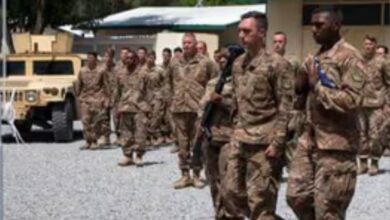
The development in the Central African Republic is a microcosm of a much larger, continent-wide shift in foreign military engagement. We are witnessing a sophisticated reorganization of international footprints. While European powers, most notably France, have scaled back their Sahelian presence due to shifting political tides and evolving counterterrorism strategies, other global players are filling the vacuum with a different tactical approach. The United States, for instance, is currently eyeing an expanded, more flexible military posture in strategic African regions to address maritime security and extremist threats. This suggests that the era of traditional, permanent peacekeeping installations is giving way to more dynamic, security-oriented partnerships.
For the Central African Republic, this moment serves as a litmus test for local ownership of national security. The successful absorption of UN infrastructure into the domestic military framework is a critical step toward ending the cycle of dependency on international intervention. It reflects a new phase in global diplomacy where international missions act as catalysts for state authority rather than permanent substitutes for it. As the government strengthens its presence in these previously vulnerable areas, the focus shifts toward long-term stability and the maturation of national institutions. The closure of these bases is not an end, but a strategic handoff, marking a significant milestone in the country’s journey toward self-reliance and the reclamation of its territorial integrity.
read more
Africa’s Happiness Index 2026: Economic Stability and Social Cohesion Define the Regional Leaders