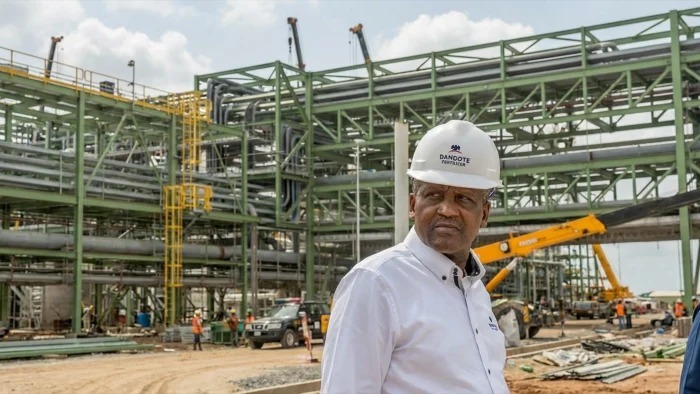
The escalating conflict in the Middle East has inadvertently accelerated a paradigm shift in West African energy dynamics, providing the 650,000 barrel-per-day Dangote Petroleum Refinery with unprecedented strategic leverage. As traditional supply routes from Europe and the Gulf are throttled by maritime disruptions and soaring feedstock costs, the era of “cheap imports” that long dominated the region is rapidly drawing to a close. Data from Kpler confirms a dramatic surge in Nigerian clean petroleum exports, which more than doubled from an average of 100,000 barrels per day (bpd) in February to approximately 214,000 bpd in March.
This surge marks the Dangote plant’s first major foray into the gasoline export market since reaching full operational capacity last month. The refinery has already dispatched 12 cargoes of premium motor spirit—totaling over 450,000 metric tons—to key African markets including Côte d’Ivoire, Ghana, and Tanzania. By utilizing a shorter, more resilient supply chain, the facility is successfully undercutting international traders who are currently burdened by the logistical “risk premiums” associated with the Iran-Israel hostilities.
The impact on the domestic Nigerian market has been equally transformative. As global oil prices spike, the Nigerian government has effectively halted fuel imports, which plummeted from 209,000 bpd in February to just 90,000 bpd this month. Most notably, imports from offshore Togo—long a source of friction due to Aliko Dangote’s allegations of “dirty fuel” dumping—have collapsed to zero. While this shift has caused domestic pump prices to rise by over 50% due to the broader global energy crisis, it has fundamentally validated the refinery’s role as a guarantor of national and regional energy security.
For decades, West Africa remained vulnerable to external shocks and the logistical caprices of European refiners. Today, the “Middle East shock” has served as a catalyst for local energy independence. As the Dangote Refinery achieves its objective of ending all fuel imports, the regional market is being forcibly reorganized. Local traders, once reliant on the Mediterranean and the Gulf, are now pivoting toward the Lekki free-trade zone, signaling a new chapter where African energy demand is met by African industrial capacity, insulated from the tremors of distant conflicts.
read more