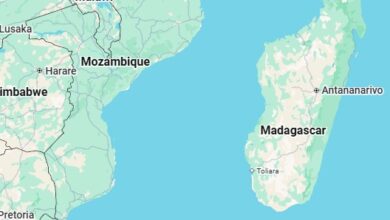
The prolonged volatility in the Middle East—compounded by the closure of the Strait of Hormuz and the intensification of the Iran conflict—has fundamentally reshaped global shipping logistics, positioning Africa’s coastline as the world’s most critical maritime bypass ,” the Cape of Good Hope has transitioned from a temporary detour into a permanent operational reality. This shift has triggered a gold rush in the African bunkering sector, with ship-refueling volumes skyrocketing as the continent emerges as a strategic hub for the global fleet.
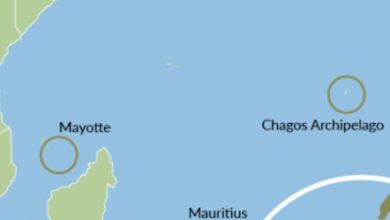
According to data from the Cape Chamber of Commerce and Industry, vessel diversions around the southern tip of Africa rose by 112% as of early March 2026. This massive influx of traffic has catalyzed rapid expansion by global fuel giants. While established players like Denmark’s Monjasa report a surge in demand across West African ports, a wave of new entrants—including Vitol, Peninsula, and Flex Commodities—is aggressively scaling operations in Namibia and Ghana. In Mauritius, the Ports Authority noted that bunker fuel sales nearly doubled to a record 929,000 metric tons in 2024, a trajectory that has only steepened since the outbreak of the Iran war.
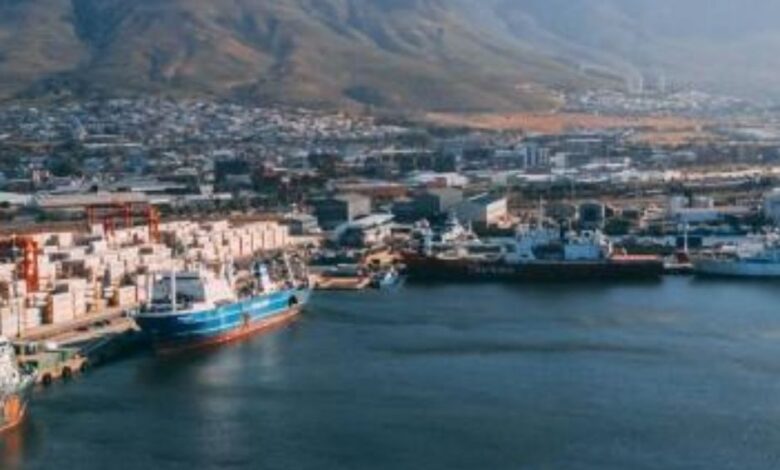
However, this “New Operational Reality” is not without its systemic risks. Analysts from LSEG warn that the shutdown of the Strait of Hormuz is beginning to tighten global fuel oil supplies, potentially squeezing the very bunkering hubs that are currently seeing record demand. Furthermore, infrastructure bottlenecks and regulatory hurdles remain significant obstacles. South Africa, historically the region’s dominant refueling stop, has seen its volumes drop from 130,000 to 80,000 tons per month due to tax disputes in Algoa Bay, allowing more agile ports like Walvis Bay and Port Louis to capture the overflow.
Ultimately, the reconfiguration of global trade routes represents a historic opportunity for African port infrastructure. Beyond the immediate geopolitical crisis, investment from major trading houses suggests a long-term bet on the continent’s positioning. As the “Department of War” maneuvers in the Middle East continue to dictate the flow of global commerce, Africa is no longer merely a geographic barrier to be circumnavigated; it has become the indispensable refueling station for a world in flux, turning maritime necessity into a cornerstone of regional economic growth.
read more