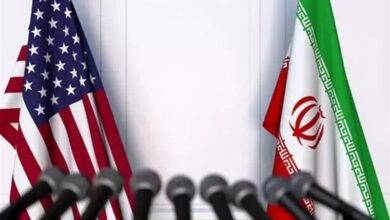
Settlement Prospects: Trump Signals Potential for Diplomatic Resolution Amid Intensifying Regional Tensions

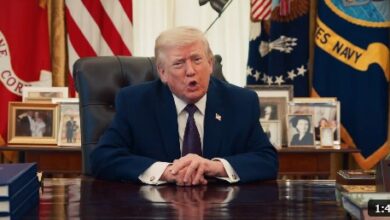
President Donald Trump characterized Iran’s new leadership as “very reasonable” on Sunday, suggesting a potential shift toward a negotiated settlement even as military hardware continues to pour into the region. While speaking aboard Air Force One during a flight to Washington, the President noted that both direct and indirect communications are occurring between the two nations, raising cautious hopes for a diplomatic settlement to the month-long conflict that has devastated regional stability. Trump indicated that while he believes the United States has already achieved significant objectives in Tehran following the strikes that killed the previous supreme leader, he remains open to a formal settlement with the current administration, noting twice that the replacements appear far more pragmatic than their predecessors.
• The Intermediary Role in Seeking a Settlement
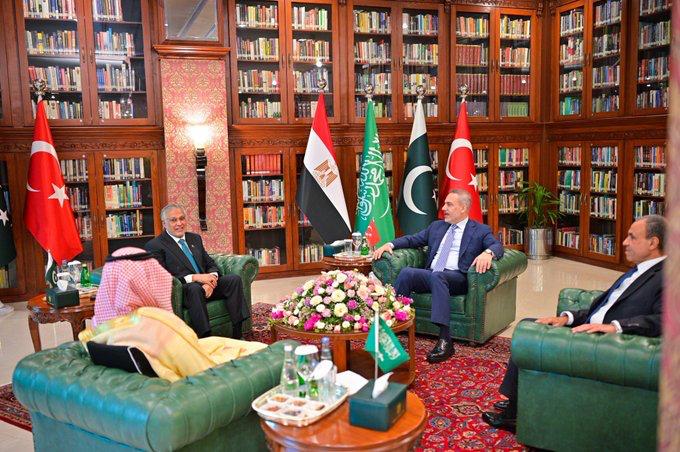
Pakistan has emerged as a central and indispensable intermediary in the search for a sustainable settlement, officially announcing its readiness to host “meaningful talks” in the capital city of Islamabad. Foreign Minister Ishaq Dar emphasized that regional leaders are actively coordinating to bring an early end to the hostilities, positioning Pakistan as a primary facilitator for a comprehensive and lasting settlement that could stabilize the global energy market and prevent further military escalation. The proposed talks in Islamabad represent a significant step toward a formal settlement, although it remains unclear whether both the United States and Iran have fully committed to the attendance of their highest-ranking officials. Nevertheless, the diplomatic momentum generated by Pakistan suggests that a regional settlement is now a top priority for neighboring nations wary of a protracted war.
• Military Realities Challenging a Peaceful Settlement
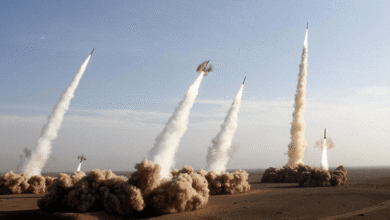
Despite the optimistic rhetoric surrounding a potential settlement, the military reality on the ground remains volatile and deeply entrenched. Iran’s parliament speaker, Mohammad Baqer Qalibaf, issued a stern warning that Tehran would never accept a settlement based on “humiliation” or total surrender, particularly as thousands of additional U.S. troops continue to arrive in the Middle East. The Pentagon’s recent deployment of special operations personnel and Marines suggests that Washington is keeping all strategic options open while simultaneously testing the waters for a diplomatic settlement. This dual-track approach—combining military pressure with the promise of a settlement—has created a tense atmosphere where even a minor miscalculation could derail the possibility of an early settlement and lead to a full-scale ground invasion of the Iranian mainland.
• Economic Imperatives for a Rapid Settlement
The global urgency for a decisive settlement is driven largely by the massive and unprecedented disruption to international energy supplies. With the Strait of Hormuz effectively closed by an Iranian blockade, oil prices have surged toward record monthly highs, making the pursuit of a settlement a critical economic necessity for the Western world. As the conflict expands to include maritime drone attacks from Yemen, the continued closure of key shipping routes exerts immense economic pain across the globe, forcing international investors to demand a rapid settlement to avoid a deep, structural recession. Markets in Asia and Europe remain focused on the potential for a settlement, as the risk of cascading inflation and energy shortages grows more acute with every day the conflict remains unresolved without a formal settlement.
• Geopolitical Stakes of a Final Settlement
As the Pentagon reportedly prepares for the possibility of extended ground operations, the global community remains tethered to the hope of a settlement. The potential seizure of Kharg Island, which handles 90% of Iran’s oil exports, is viewed by some as a final leverage point to force a settlement, yet such a move would require a significant commitment of ground forces and risk a long-term occupation. Within the United States, public opposition to further military escalation is mounting, placing additional political pressure on President Trump to secure a settlement before the upcoming midterm elections. Ultimately, the transition from military confrontation to a diplomatic settlement will depend on whether both sides can find a path that preserves their national interests while ending a war that has already reshaped the geopolitical landscape of the 21st century through the absence of a clear settlement.
Read more
Targeting the Anchor: Vulnerability of U.S. African Bases in Iran Conflict