After reporting on RSF training camp, Ethiopia declines to renew Reuters correspondents’ accreditation

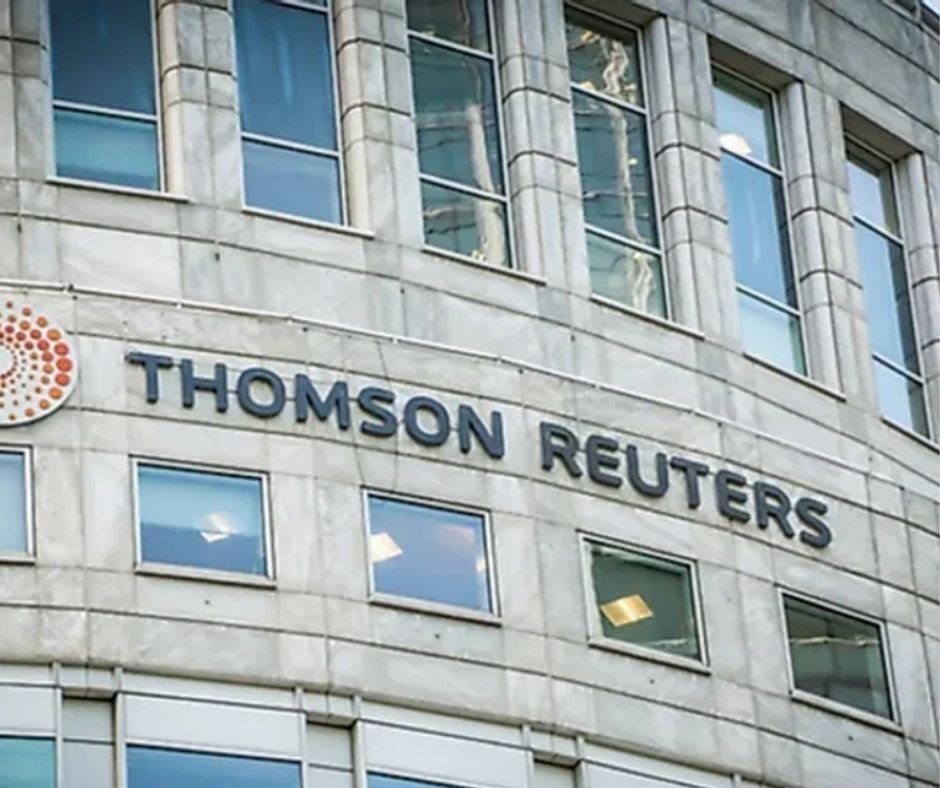
The government of Ethiopia has declined to renew accreditation for three Addis Abeba-based journalists from Reuters and withdrawn the accreditation to cover the 39th African Union (AU) Summit, days after the news agency published an investigative report alleging Ethiopia is hosting a training facility linked to Sudan’s Rapid Support Forces (RSF).
In a written response to Addis Standard, a Reuters spokesperson confirmed that the Ethiopian government declined to renew the journalists’ accreditation and also withdrew the outlet’s accreditation for the AU Summit.
The spokesperson stated: “The government of Ethiopia has withdrawn Reuters accreditation for the 39th African Union Summit as well as not renewing accreditation for Reuters three Addis Ababa-based journalists to work in the country.”
Despite the decision, the spokesperson said the agency would continue its coverage, adding: “Reuters is reviewing the matter and will continue to cover Ethiopia in an independent, impartial and reliable way in keeping with the Thomson Reuters Trust Principles.”
Ethiopian officials have not issued a public response regarding the accreditation decision.
The move follows an investigative report by Reuters Affirming that Ethiopia hosts a training camp for fighters linked to Sudan’s RSF paramilitary group.
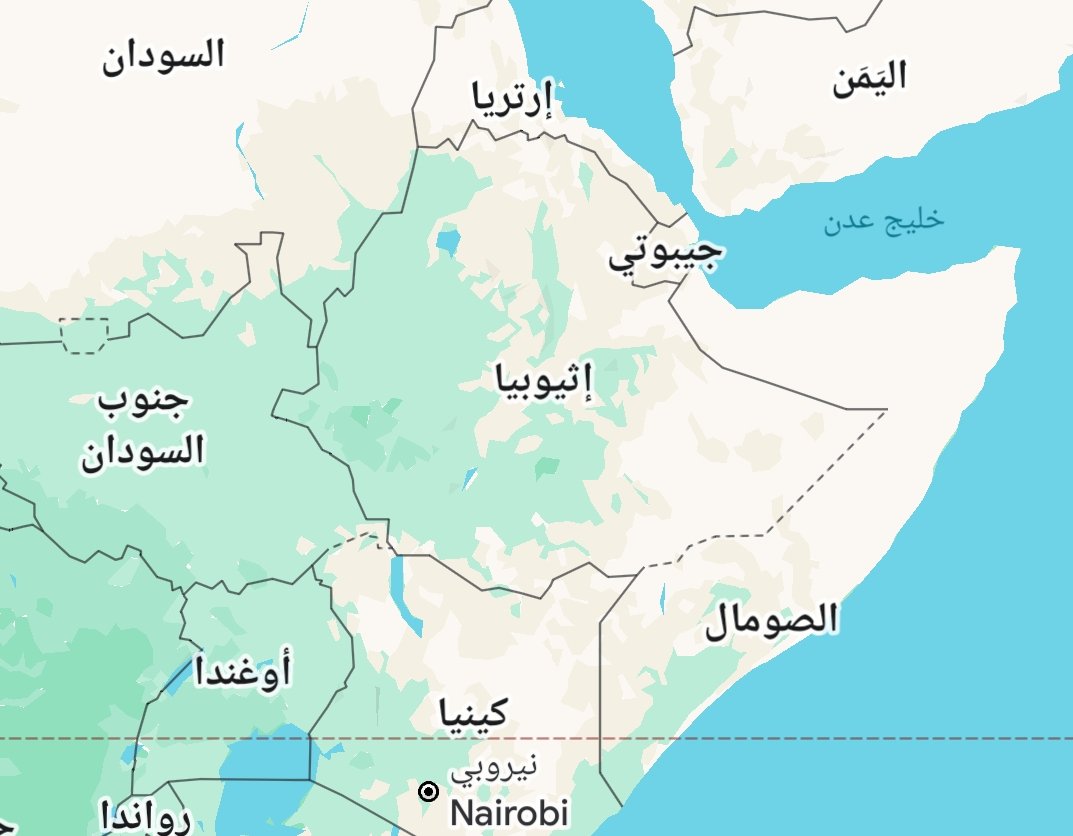
Citing multiple diplomatic, security, and government sources, the report suggested the facility is located in the western Benishangul-Gumuz region near the Sudan border. Ethiopian authorities have not publicly commented on the allegations.
According to the investigation, which Reuters said was based on interviews with 15 sources and satellite imagery analysis, the site may have been used to train new RSF recruits amid Sudan’s ongoing civil war.
The news agency said it could not independently verify the identities of individuals at the camp or the conditions surrounding recruitment.
Reuters further reported that several sources, including a senior Ethiopian official, said a regional part financed construction of the facility and provided logistical support.
The Reuters report also cited satellite imagery indicating construction activity near the alleged site beginning last year, along with developments at Asosa airport that analysts said could potentially support drone operations.
Reuters said the purpose of these developments could not be independently confirmed.
Some diplomatic sources reportedly expressed concern over the proximity of the alleged camp to the Grand Ethiopian Renaissance Dam, though Ethiopian authorities have not addressed these claims publicly.
The accreditation decision is not the first restriction faced by foreign media in Ethiopia in recent years.
In October 2025, the Ethiopian Media Authority temporarily suspended several correspondents working for Deutsche Welle, citing alleged legal and professional violations.
The German broadcaster protested the move and called for the suspension to be lifted. Most of the journalists were later reinstated in December, though two remained permanently suspended.
The latest development comes as the country hosts the African Union Summit and as regional scrutiny intensifies over the spillover effects of Sudan’s conflict.