Conflicting Accounts: US and Iran Dispute Warship Movements in Strategic Strait of Hormuz

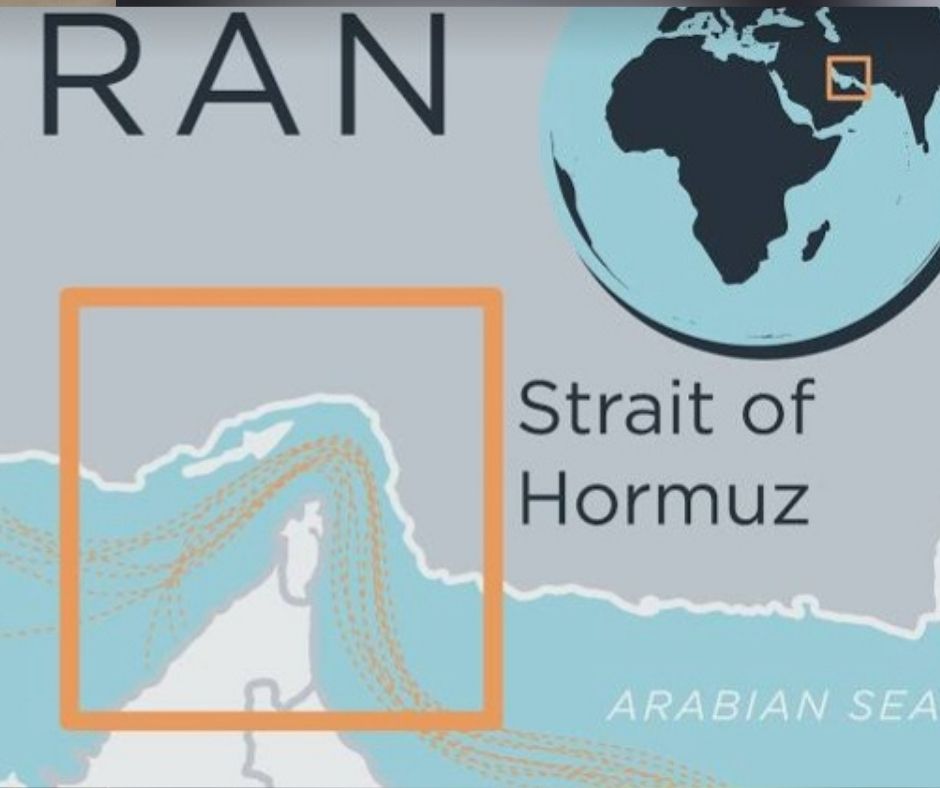
The United States and Iran issued sharply contradictory reports on Saturday regarding military activity in the Strait of Hormuz, just as high-level negotiations to end the ongoing conflict commenced in Islamabad. While Washington claims its naval forces have begun operations to reopen the vital waterway, Tehran insists that no such transit has occurred, describing the situation as a series of prevented ceasefire violations.
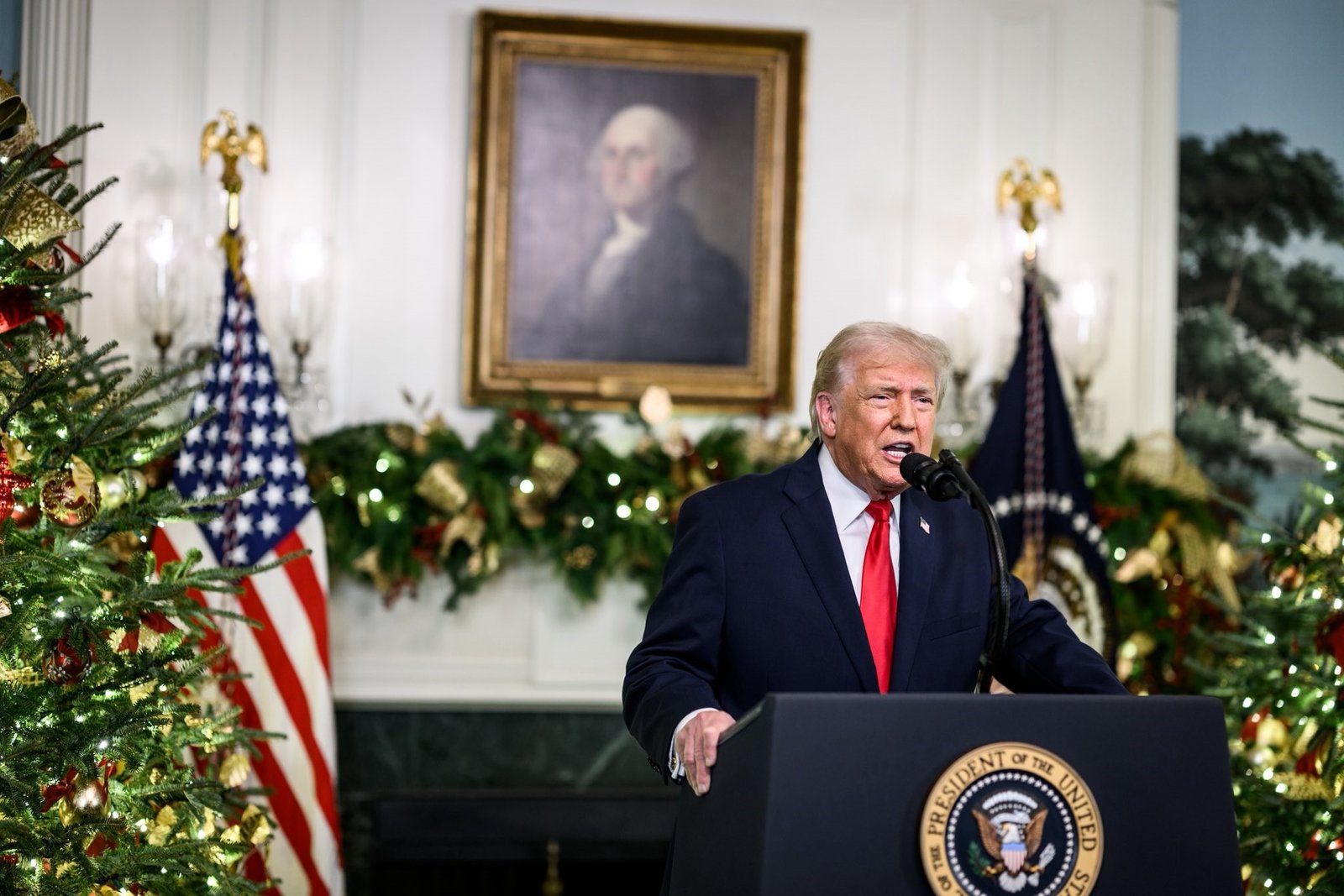
The dispute began after President Trump announced on his Truth Social platform that the US had started “clearing out” the Strait of Hormuz, framing the move as a strategic favor to global trade partners like China, Japan, and France. Following this, Axios and the Pentagon confirmed that Navy destroyers USS Frank E Petersen and USS Michael Murphy had transited the strait into the Persian Gulf. Admiral Brad Cooper, commander of CENTCOM, stated that the mission aims to establish a “new safe passage” by clearing sea mines allegedly laid by the Islamic Revolutionary Guard Corps (IRGC) during the hostilities.
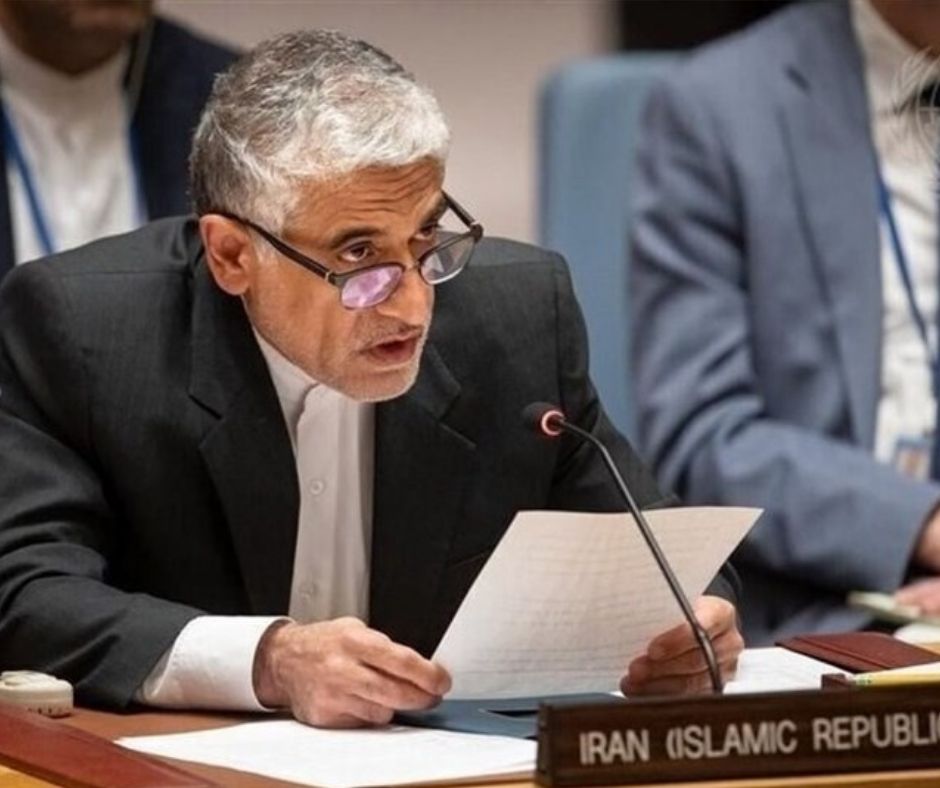
However, Iranian officials and state-affiliated media have categorically denied these claims. A security official cited by Tasnim News Agency asserted that no US Navy ships have passed through the strait since the fragile ceasefire took effect earlier this week. Iranian Foreign Ministry spokesman Esmaeil Baqaei referred to an incident involving a US destroyer near Fujairah, claiming that Iranian armed forces monitored the vessel and issued a direct military warning. According to Iranian accounts, the ship was forced to halt its movement after Tehran informed Pakistani mediators that the vessel would be targeted within 30 minutes if it continued its approach, a move that would have jeopardized the Islamabad peace talks.
The naval standoff underscores the precarious nature of the current ceasefire. Since the war’s inception, Iran has denied laying mines in the strait, despite multiple US assertions to the contrary. Instead, Tehran has maintained a blockade on vessels affiliated with nations supporting the US and Israel, a strategy that has sent global energy prices soaring and triggered widespread inflationary pressures. As negotiators meet in Pakistan to bridge these deep disagreements, the conflicting narratives over the Hormuz transit highlight the “very high-risk operations” and psychological warfare still playing out in one of the world’s most critical maritime chokepoints.
read more
Iran Announces Alternative Routes in Strait of Hormuz, Links Reopening to End of Hostilities