The global energy market and regional security have entered a perilous new phase following the announcement by the U.S. military of a comprehensive maritime blockade on all Iranian ports, effective Monday, the decision follows the failure of high-stakes negotiations in Islamabad over the weekend—the first direct U.S.-Iranian meeting in over a decade—which were intended to end the six-week war and solidify a fragile ceasefire.
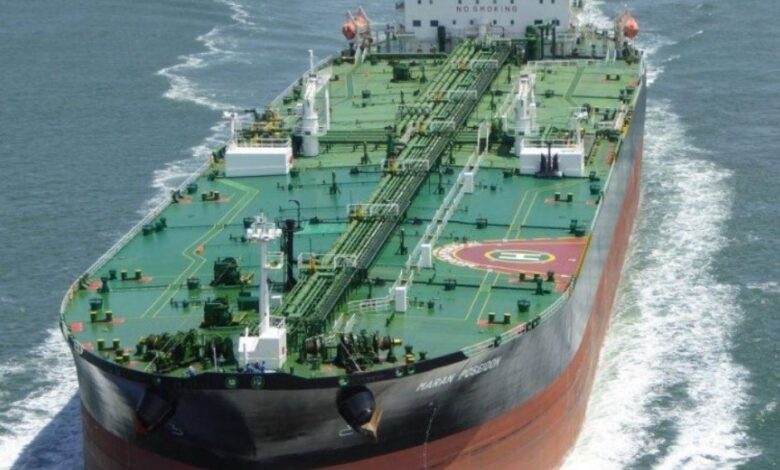
The U.S. Central Command (CENTCOM) confirmed that the blockade, beginning at 10 a.m. ET, will be enforced impartially against vessels of all nations entering or departing Iranian coastal areas in both the Arabian Gulf and the Gulf of Oman.
President Donald Trump underscored the severity of the measures, stating that U.S. forces will intercept any vessel in international waters that has paid maritime tolls to Iran, warning that any hostile action would be met with overwhelming force.
Furthermore, the U.S. Navy has begun operations to destroy mines reportedly dropped by Iranian forces in the Strait of Hormuz, a vital choke point for 20% of the world’s energy supplies.
The diplomatic fallout has been swift and severe. Iranian Foreign Minister Abbas Araqchi accused Washington of “maximalism” and “shifting goalposts,” stating that the talks were inches away from a memorandum of understanding before the U.S. reverted to a policy of enmity. Key sticking points included U.S. demands for the total cessation of uranium enrichment and the dismantling of major nuclear facilities—terms Tehran flatly rejected. In response to the blockade, Iran’s Islamic Revolutionary Guard Corps warned that any military approach to the Strait would be considered a breach of the ceasefire and dealt with “harshly and decisively.”
The economic impact was immediate: benchmark crude oil prices surged over 7%, crossing the $100 per barrel threshold in Asian trade, while the U.S. dollar jumped and stock futures fell.
President Trump acknowledged the potential domestic political fallout, noting that fuel prices might remain elevated through the November midterm elections. Meanwhile, Iranian officials taunted the U.S. administration over rising gas prices, suggesting that the current $4–$5 per gallon figures would soon be a distant memory.
As tankers begin to steer clear of the Gulf out of fear of escalation, the international community remains on edge. While President Trump expressed a belief that Iran might eventually return to the negotiating table, Iranian President Masoud Pezeshkian emphasized that any future deal must be “balanced and fair” and within the framework of international law. For now, the “Strait of Hormuz” remains the epicenter of a crisis that threatens to plunge the global economy into a period of prolonged inflationary pressure and military uncertainty.
read more :
Conflicting Accounts: US and Iran Dispute Warship Movements in Strategic Strait of Hormuz