Is It Safe to Travel to Egypt Right Now? “The Times” Report Reveals Latest Travel Advice and Trips to Cairo

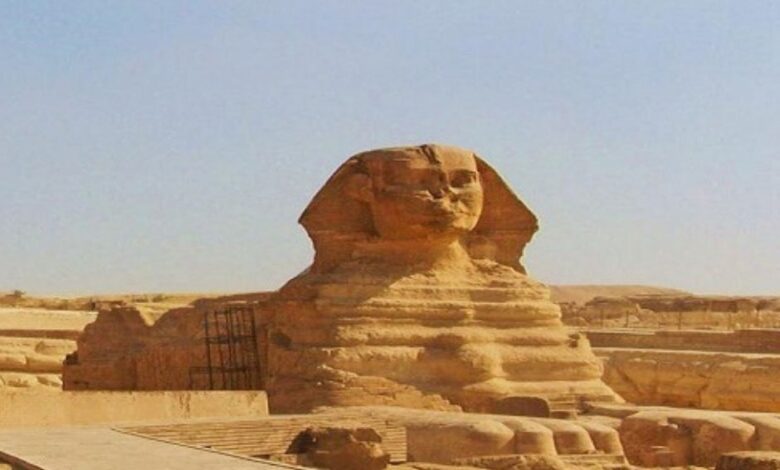
Egypt continues to maintain its position as one of the leading tourist destinations in the Middle East and North Africa, attracting millions of visitors each year thanks to its year-round sunny Red Sea beaches, diverse tourism activities, and a rich civilization that stretches back thousands of years.
According to a report published on Friday by The Times, Egypt remains among the region’s most important travel destinations. Tourists visit the country to enjoy coastal resorts and water sports, as well as to explore historic cities that host unique cultural and archaeological landmarks.
Air Travel to Egypt Continues Despite Middle East Tensions
The report explained that recent tensions in the Middle East—escalating after exchanges of missile fire between Iran and Israel—led to the closure of airspace in several countries across the region, resulting in the cancellation of thousands of international flights.
Despite these developments, Egyptian airspace has remained open, allowing air traffic to continue relatively normally. This reflects the country’s stability and the cohesion of its domestic front.
The newspaper also noted that the UK’s Foreign Office still considers the situation in Egypt to be normal, despite the broader regional tensions.
Is Egypt Safe for Tourists?
The report affirms that traveling to Egypt is generally safe, particularly in the main tourist areas located far from regional conflict zones. For example, the city of Sharm El-Sheikh lies more than 200 miles from the Gaza border, while Hurghada is located even farther away.
Currently, there are no travel warnings affecting Egypt’s major tourist destinations, including the capital Cairo, as well as historic Nile cities such as Luxor and Aswan.
However, the report added that the UK Foreign Office continues to warn that tensions in the wider region persist and that the situation could change rapidly, potentially creating security risks. Therefore, visitors are advised to follow local and international media for updates, remain cautious, and follow the guidance of local authorities in the event of any emergency.
Travel Advice for Sharm El-Sheikh
The report also highlighted travel advice for Sharm El-Sheikh, one of Egypt’s most famous resort destinations, which attracts nearly ten million tourists annually according to official statistics.
The UK Foreign Office considers the resort safe for travel. British tourists were allowed to return to Sharm El-Sheikh in October 2019 after enhanced safety measures were introduced, and security procedures at the Red Sea resort have since been significantly strengthened.
Areas Travelers Are Advised to Avoid in Egypt
While most tourist destinations in Egypt are considered safe, the report noted that the UK Foreign Office advises against travel to certain areas.
These include:
- The entire North Sinai Governorate, including the Rafah border crossing.
- Areas within 20 kilometers of the Egyptian-Libyan border, with the exception of the town of El-Salloum, which should only be visited in cases of extreme necessity.
The ministry also advises against travel to some additional areas except when absolutely necessary, including the northern parts of South Sinai Governorate.
How to Travel to Egypt
The report explained that British tourists planning to travel to Egypt must ensure their passports are valid for at least six months.
Visitors are required to obtain a tourist visa to visit most parts of the country. This visa can be obtained online through Egypt’s official e-visa website before travel (valid for up to three months), or it can be issued upon arrival at designated airport counters (valid for up to 30 days) at a cost of $25.
The report added: “If you are traveling to the resorts of Sharm El-Sheikh, Dahab, Nuweiba, or Taba, you can receive a free entry permission stamp upon arrival for stays of up to 15 days. A visa will be required if you intend to stay longer or travel to other parts of the country.”
read more :
Warns of catastrophic repercussions, Egyptian FM reiterates condemnation of targeting region states